 Back
BackEating Disorders: Nutrition, Diagnosis, and Special Populations
Study Guide - Smart Notes
 Tailored notes based on your materials, expanded with key definitions, examples, and context.
Eating Disorders: Overview
Definition and Impact
Eating disorders are serious conditions in which emotional aspects of food and eating overpower the role of food as nourishment. These disorders involve persistent disturbances in eating patterns or behaviors intended to control weight, affecting physical, nutritional, and psychological functioning.
Physical effects: Malnutrition, weight changes, and organ dysfunction.
Nutritional effects: Deficiencies in essential nutrients, impaired growth, and development.
Psychological effects: Distorted body image, anxiety, and depression.
Causes of Eating Disorders
Multifactorial Etiology
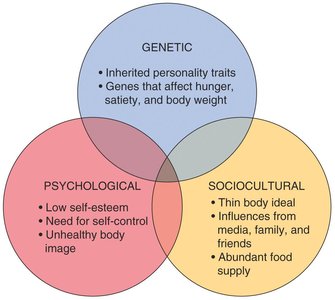
The development of eating disorders is influenced by a combination of genetic, psychological, and sociocultural factors.
Genetic: Inherited personality traits and genes affecting hunger, satiety, and body weight.
Psychological: Low self-esteem, need for self-control, unhealthy body image.
Sociocultural: Thin body ideal, media and peer influences, abundant food supply.
Genetic Factors
Role of Genetics in Eating Disorders
Certain genes may predispose individuals to eating disorders, but no single gene is solely responsible. Neurotransmitter levels (e.g., serotonin) and defects in specific genes (e.g., melanocortin 4 receptor) are linked to anorexia, bulimia, and binge-eating disorders.
Serotonin: May influence behaviors seen in anorexia and bulimia.
Melanocortin 4 receptor gene: Associated with binge-eating disorder and obesity.
Psychological Factors
Common Psychological Issues
Individuals with eating disorders often experience low self-esteem and perfectionism. They may attempt to control their lives and self-worth through their relationship with food.
Low self-esteem and perfectionism are common traits.
Food and eating become mechanisms for control and self-evaluation.
Sociocultural Factors
Societal Messages and Body Image
Sociocultural and economic factors, including media, family, and peer influences, play a significant role in the onset of eating disorders. The ideal body image varies across cultures and time, but distorted body image is a hallmark of eating disorders.
Thin body ideal promoted by media and society.
Distorted perception of body size and shape.
Diagnostic Criteria for Major Eating Disorders
Anorexia Nervosa
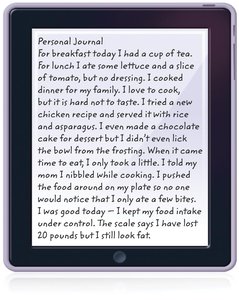
Anorexia nervosa is characterized by self-starvation, intense fear of gaining weight, and a distorted body image. There are two subtypes: restricting type and binge-eating/purging type.
Restriction of energy intake leading to significantly low body weight.
Intense fear of weight gain or persistent behavior interfering with weight gain.
Disturbance in body image or lack of recognition of the seriousness of low weight.
Restricting type: Weight loss through dieting, fasting, or excessive exercise.
Binge-eating/purging type: Episodes of binge eating or purging behaviors.
Physical Symptoms and Treatment of Anorexia Nervosa
Physical symptoms: Severe weight loss, symptoms of starvation, amenorrhea.
Treatment: Psychological and behavioral therapy, nutritional rehabilitation.
Bulimia Nervosa
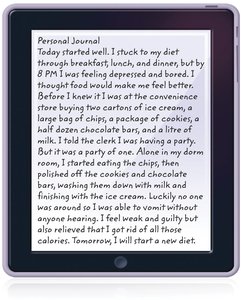
Bulimia nervosa involves recurrent episodes of binge eating followed by inappropriate compensatory behaviors to prevent weight gain, such as vomiting, misuse of laxatives, or excessive exercise.
Binge eating: Consuming large amounts of food in a short period with a sense of loss of control.
Compensatory behaviors: Vomiting, laxative/diuretic misuse, fasting, or excessive exercise.
Frequency: At least once a week for three months.
Self-evaluation: Unduly influenced by body shape and weight.
Physical complications: Dehydration, electrolyte imbalance, dental erosion, gastrointestinal issues.
Treatment: Separating eating from emotions, promoting eating in response to hunger and satiety.
Binge-Eating Disorder
Binge-eating disorder is characterized by recurrent episodes of eating large amounts of food with a sense of lack of control, but without regular compensatory behaviors.
Binge episodes: Eating rapidly, until uncomfortably full, when not hungry, or alone due to embarrassment.
Emotional aftermath: Feelings of disgust, depression, or guilt.
Eating Disorders in Special Groups
Men
Less common than in women but increasing due to body image pressures.
Men are less likely to seek treatment.
Pregnancy
Eating disorders can harm both mother and baby.
Pica: Craving and eating nonfood items (e.g., dirt, clay, chalk).
Children and Adolescents
Difficult to diagnose; more common in late adolescence and early adulthood.
More girls than boys affected; symptoms include delayed growth and sexual maturation.
Athletes
Higher prevalence in female athletes and certain sports.
Anorexia athletica: Compulsive exercise to lose weight or maintain low body weight.
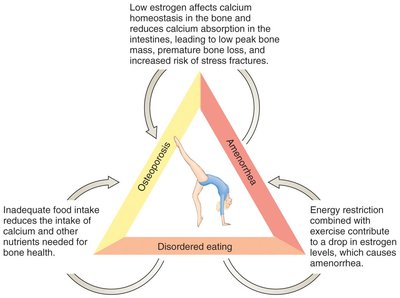
Female athlete triad: Disordered eating, amenorrhea, and osteoporosis.
Diabetes
Eating disorders may be more common in individuals with diabetes, especially those on insulin.
Focus on food, diet, and body weight can contribute to disordered eating behaviors.
Other Eating Disorders
Classification and Characteristics
Eating Disorder | Characteristics | Who Is Affected | Consequences |
|---|---|---|---|
Anorexia athletica | Compulsive exercise to lose weight or maintain low body weight | Athletes | Serious health problems, kidney failure, heart attack, death |
Avoidant/restrictive food intake disorder | Similar to anorexia nervosa but without body image disturbance or fear of weight gain | Children | Weight loss, malnutrition |
Bigorexia (muscle dysmorphia) | Obsession with being small/underdeveloped despite adequate muscle mass | Bodybuilders, gym-goers (mainly men) | Risk from steroid use, psychological distress |
Body dysmorphic disorder | Obsession with perceived defect in appearance | Males and females equally | Increased risk for depression, suicide |
Chewing and spitting | Tasting and chewing food, then spitting it out | Those with other eating disorders | Symptoms similar to starvation dieting |
Female athlete triad | Disordered eating, amenorrhea, osteoporosis | Female athletes in weight-dependent sports | Low estrogen, reduced bone mass, fractures |
Insulin misuse (diabulimia) | Withholding insulin to lose weight | People with type 1 diabetes | Blindness, kidney disease, heart disease, nerve damage |
Night-eating syndrome | Most calories consumed late in the day or at night | Obese adults, stressed individuals | Obesity |
Orthorexia nervosa | Obsession with eating only healthy foods | No particular group | Harmful to relationships |
Pica | Craving and eating nonfood items | Pregnant women, children, certain cultures | Mineral deficiencies, intestinal issues |
Rumination syndrome | Regurgitating and rechewing food | Children and adults | Dental damage, malnutrition, dehydration |
Selective eating disorder | Eating only a few foods, mostly carbohydrates | Children | Malnutrition |
