 Back
BackEnergy Balance, Body Weight Regulation, and Obesity: Nutrition Study Guide
Study Guide - Smart Notes
 Tailored notes based on your materials, expanded with key definitions, examples, and context.
Energy Balance and Body Weight Regulation
Introduction to Energy Balance
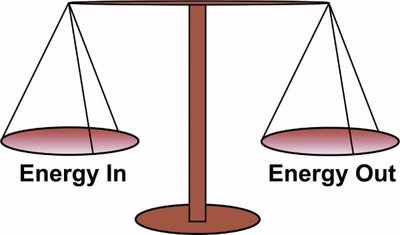
Energy balance is a fundamental concept in nutrition, describing the relationship between energy intake (calories consumed) and energy expenditure (calories burned). Maintaining energy balance is essential for sustaining body weight and overall health.
Energy Intake: The calories obtained from food and beverages.
Energy Expenditure: The calories used by the body for basal metabolism, physical activity, and processing food.
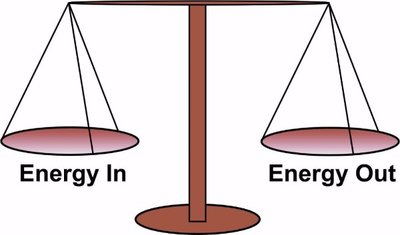
Energy Balance: Achieved when energy intake equals energy expenditure, resulting in stable body weight.

Positive and Negative Energy Balance
Energy balance can be disrupted, leading to weight gain or loss depending on the direction of the imbalance.
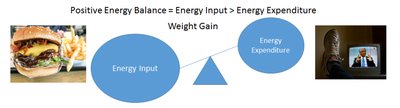
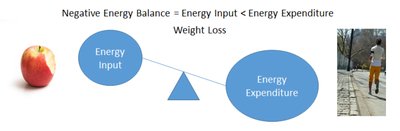
Positive Energy Balance: Occurs when energy intake exceeds energy expenditure. Excess energy is stored as fat, leading to weight gain. This is common during periods of growth (childhood, pregnancy) or recovery from illness.
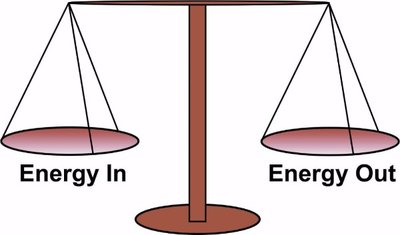
Negative Energy Balance: Occurs when energy intake is less than energy expenditure. The body uses stored energy (glycogen, fat, protein), resulting in weight loss.
Components of Energy Expenditure
Total Energy Expenditure (TEE)
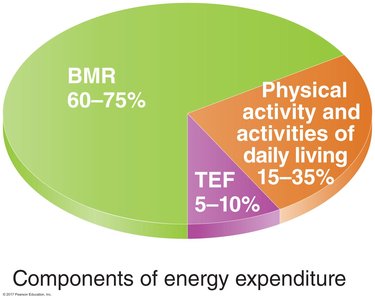
Total energy expenditure is the sum of all calories burned by the body in a day. It consists of three main components:
Basal Metabolic Rate (BMR): Energy used for basic physiological functions at rest (60–75% of TEE).
Physical Activity (PA): Energy expended during movement and exercise (15–35% of TEE).
Thermic Effect of Food (TEF): Energy required for digestion, absorption, and metabolism of food (5–10% of TEE).
Basal Metabolic Rate (BMR)
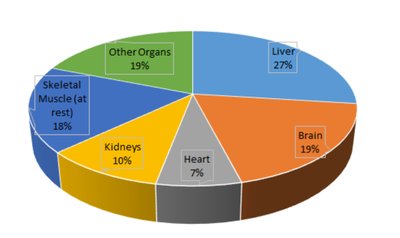
BMR is the largest component of energy expenditure, representing the energy required to maintain vital body functions at rest, such as breathing, circulation, and cell production.
Measured in kcal/day or kcal/hour.
Influenced by age, sex, body composition, and hormonal status.
Average adult male BMR: ~2000 kcal/day; females slightly less.
Factors Affecting BMR
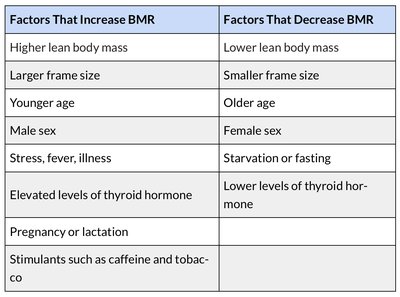
Factors That Increase BMR | Factors That Decrease BMR |
|---|---|
Higher lean body mass | Lower lean body mass |
Larger frame size | Smaller frame size |
Younger age | Older age |
Male sex | Female sex |
Stress, fever, illness | Starvation or fasting |
Elevated thyroid hormone | Lower thyroid hormone |
Pregnancy or lactation | |
Stimulants (caffeine, tobacco) |
Thermic Effect of Food (TEF)
TEF is the energy required for digestion, absorption, and metabolism of nutrients. It includes muscle movements, enzyme production, and nutrient transport.
Accounts for 5–10% of total energy expenditure.
Varies with macronutrient composition (protein has higher TEF than fat or carbohydrate).
Physical Activity (PA)
Physical activity includes all voluntary movements, from daily tasks to structured exercise. It is the most variable component of energy expenditure.
Increasing physical activity raises total energy expenditure.
Non-exercise activity thermogenesis (NEAT) includes activities like walking, cleaning, and fidgeting.
Estimating Energy Needs
Estimated Energy Requirement (EER)
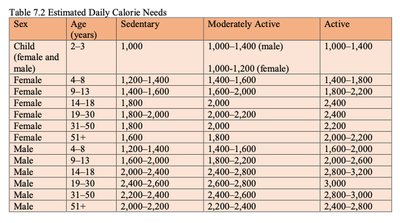
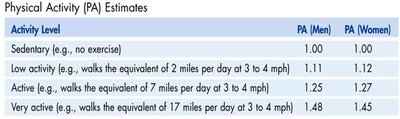
The EER is the average dietary energy intake predicted to maintain energy balance in a healthy adult. It is calculated using age, sex, weight, height, and physical activity level.
Formula for Adult Men:
Formula for Adult Women:
Complexity of Energy Balance and Weight Regulation
Physiological and Psychological Influences
Energy intake and expenditure are regulated by complex physiological and psychological mechanisms. Hunger, satiety, and appetite are influenced by hormones, the brain, and environmental cues.
Negative energy balance increases hunger and decreases BMR.
Positive energy balance suppresses hunger.
Individuals vary in digestion efficiency and nutrient absorption.
Genetic and Environmental Factors in Obesity
Body weight and composition are influenced by both genetic and environmental factors. Genetics can affect appetite, metabolism, and fat storage, while the environment shapes food availability and activity levels.
Over 120 genes are associated with body mass and food intake.
Adopted children resemble biological parents in body composition.
Obesity risk may be up to 70% genetic.
Theories of Body Weight Regulation
Thrifty Gene Hypothesis: Suggests that genes favoring efficient fat storage were advantageous during periods of food scarcity.
Set-Point Theory: Proposes that body weight is regulated around a genetically predetermined set-point, making weight loss difficult to maintain.
Fat Cell Theory and Obesity
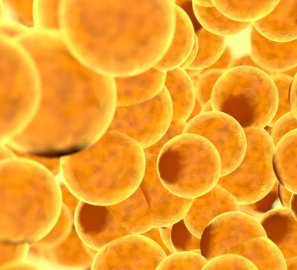
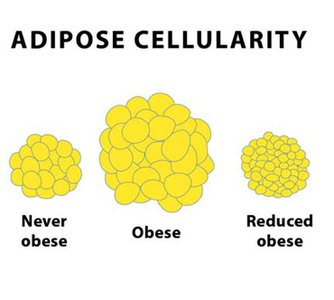
Fat tissue consists of living cells (adipocytes) that store fat and secrete hormones. The number and size of fat cells influence total body fat.
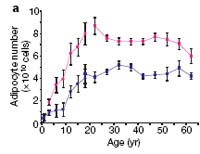
Fat cell number increases during childhood and puberty.
In adults, fat cell number remains constant; weight loss reduces cell size, not number.
Sex Differences in Fat Storage
Females generally have a higher percentage of body fat than males, with fat distribution influenced by hormones such as estrogen. Fat stores support pregnancy, lactation, and reproductive health.
Waist-to-hip ratio (WHR) is a marker of fat distribution and has been associated with attractiveness across cultures.
Environmental Contributors to Obesity
Modern environments promote overeating and physical inactivity, contributing to rising obesity rates.
Increased availability of energy-dense, convenient foods.
Larger portion sizes.
Reduced physical activity due to technology and sedentary lifestyles.
Other Hypotheses and Factors
Additional factors may contribute to obesity, including medications, sleep deprivation, environmental contaminants, and even viral infections.
Older maternal age, air-conditioning, and certain medications are associated with weight gain.
Sleep deprivation and environmental toxins may disrupt metabolic regulation.
Summary Table: Key Concepts in Energy Balance and Obesity
Concept | Definition | Example/Application |
|---|---|---|
Energy Balance | Energy intake equals energy expenditure | Stable body weight |
Positive Energy Balance | Energy intake exceeds expenditure | Weight gain during pregnancy |
Negative Energy Balance | Energy intake less than expenditure | Weight loss during dieting |
BMR | Energy for basic body functions at rest | ~60–75% of TEE |
TEF | Energy for digestion and absorption | ~5–10% of TEE |
Physical Activity | Energy for movement and exercise | ~15–35% of TEE |
Set-Point Theory | Body weight regulated around a set-point | Difficulty maintaining weight loss |
Thrifty Gene | Genes favoring fat storage | Survival during famine |
Additional info: This guide integrates foundational concepts from the study of energy balance, body weight regulation, and obesity, as covered in college-level nutrition courses. It includes relevant equations, tables, and images to reinforce key points.
