 Back
BackEnergy Metabolism, B-Vitamins, Minerals, and Obesity: Structured Study Notes
Study Guide - Smart Notes
 Tailored notes based on your materials, expanded with key definitions, examples, and context.
Energy Metabolism
Overview of Metabolic Pathways
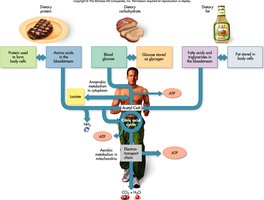
Energy metabolism refers to the chemical processes that convert food into energy (ATP) for cellular functions. Macronutrients—carbohydrates, fats, and proteins—are broken down through various metabolic pathways to produce ATP, the energy currency of the cell.
ATP (Adenosine Triphosphate) is the primary energy carrier in cells.
Metabolic pathways include glycolysis, the citric acid cycle, and oxidative phosphorylation.
Vitamins and minerals act as coenzymes and cofactors, facilitating these reactions but do not provide energy themselves.
Role of Vitamins and Minerals in Metabolism
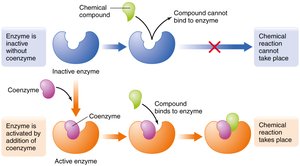
Vitamins and minerals are essential for the conversion of macronutrients into ATP. B-vitamins, in particular, serve as coenzymes that activate enzymes involved in energy metabolism.
Coenzymes are molecules that bind to enzymes, enabling them to catalyze reactions.
Without coenzymes, many metabolic reactions would not occur efficiently.
B-Vitamins in Energy Metabolism
Thiamin (Vitamin B1)
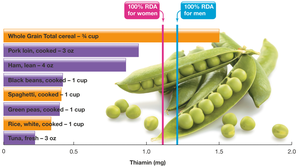
Thiamin is a water-soluble vitamin that acts as a coenzyme in carbohydrate and amino acid metabolism. It is also involved in neurotransmitter synthesis.
Deficiency: Beriberi (muscle weakness, heart failure, fatigue, paralysis), reduced cognitive function.
At-risk groups: Alcoholics, populations consuming polished rice or white flour as staples.
Dietary sources: Whole grains, enriched grains, green leafy vegetables.
Toxicity: None reported; excess is excreted in urine.
Riboflavin (Vitamin B2)
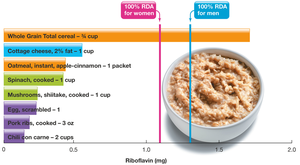
Riboflavin is a water-soluble vitamin that functions as a coenzyme in the metabolism of fats and carbohydrates.
Deficiency: Ariboflavinosis (rare in developed countries).
Dietary sources: Milk, fish, eggs, poultry, cottage cheese, oatmeal, spinach, mushrooms.
Special notes: Sensitive to light; can be lost in glass milk bottles.
Niacin (Vitamin B3)
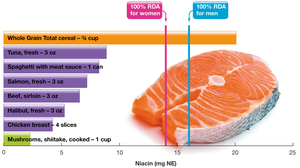
Niacin is a water-soluble vitamin involved in the metabolism of carbohydrates and fatty acids, as well as DNA replication and cell differentiation.
Deficiency: Pellagra ("three Ds": diarrhea, dermatitis, dementia).
Toxicity: Flushing with high doses.
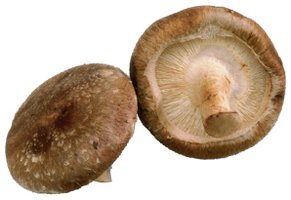
Dietary sources: Meat, poultry, fish, beans, whole grains, mushrooms.
Pantothenic Acid
Pantothenic acid is a water-soluble vitamin that is a component of all energy-producing pathways, especially important for fatty acid metabolism.
Deficiency: Very rare.
Toxicity: Not known.
Dietary sources: Whole grains, yeast, meats, eggs, potatoes, oats, tomatoes.
Biotin
Biotin is a water-soluble vitamin that acts as a coenzyme in the metabolism of all macronutrients.
Deficiency: Very rare; symptoms include rash, lethargy, depression.
At-risk groups: Individuals consuming large amounts of raw egg whites (contain avidin, which binds biotin).
Dietary sources: Meat, egg yolks, nuts, legumes; some produced by intestinal bacteria.
Minerals in Energy Metabolism
Iodine
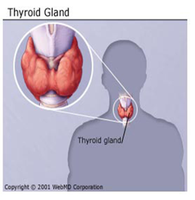
Iodine is a trace mineral essential for the synthesis of thyroid hormones, which regulate metabolic rate and body temperature.
Deficiency/Toxicity: Both can impair thyroid hormone synthesis, leading to goiter (swollen thyroid gland).
At-risk groups: Populations without access to iodized salt, areas with low soil iodine.
Dietary sources: Iodized salt, seafood, dairy, breads made with iodized salt.
Special notes: Deficiency during pregnancy can cause cretinism (mental impairment) in infants.
Chromium
Chromium is a trace mineral that enhances insulin's ability to move glucose from the blood into cells, playing a role in carbohydrate metabolism.
Deficiency: Can cause elevated blood glucose levels.
Dietary sources: Mushrooms, prunes, dark chocolate, nuts, whole grains.
Manganese
Manganese is a trace mineral that assists in energy metabolism and is involved in the synthesis of cholesterol, urea, cartilage, and bone matrix. It is also a component of antioxidant enzyme systems.
Deficiency: Rare.
Toxicity: Can affect the nervous system if inhaled or consumed in excess from water.
Dietary sources: Whole grains, pineapple, raspberries, okra, spinach, garbanzo beans, pine nuts.
Energy Balance
Concept of Energy Balance
Energy balance is the relationship between energy intake (food) and energy expenditure (calories burned). Maintaining energy balance is crucial for a stable body weight.
Energy deficit: Intake < expenditure (weight loss).
Energy balance: Intake = expenditure (weight stable).
Energy excess: Intake > expenditure (weight gain).
Body fat equivalence: 1 lb of body fat ≈ 3,500 kcal.

Energy Intake and Regulation
Energy intake is regulated by physiological and psychological factors:
Hunger: Physiological drive to eat, regulated by the hypothalamus.
Appetite: Psychological desire to eat, influenced by sensory cues.
Satiety: State of satisfaction, no longer desiring to eat.
Components of Energy Expenditure
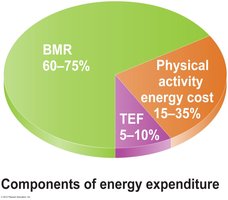
Energy expenditure consists of three main components:
Basal Metabolic Rate (BMR): 60–75% of total energy expenditure; energy used for basic physiological functions at rest.
Physical Activity: 15–35% of total energy expenditure; includes exercise and non-exercise activities (NEAT).
Thermic Effect of Food (TEF): 5–10% of total energy expenditure; energy used for digestion, absorption, and metabolism of food.
Factors Affecting BMR
Lean body mass (muscle) increases BMR.
BMR decreases with age, height, and during starvation or dieting.
Pregnancy, lactation, and environmental temperature can increase BMR.
Physical Activity and TEF
Physical activity energy expenditure depends on muscle groups used, intensity, duration, and body size.
TEF is higher for protein and carbohydrate than for fat; processed foods have lower TEF.

Evaluating Body Weight
Defining a Healthful Body Weight
A healthful body weight is appropriate for age, physical development, and genetic background, and is maintained without constant dieting. It supports normal blood pressure, lipid levels, and glucose tolerance.
Methods for Evaluating Body Weight
Body Mass Index (BMI): Ratio of weight to height squared.
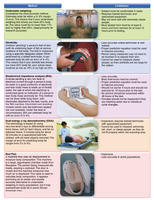
Body composition: Proportion of fat to lean tissue.
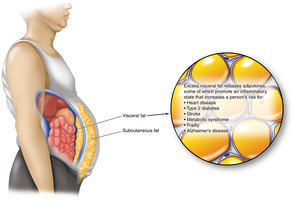
Fat distribution: Pattern of fat storage (android vs. gynoid).
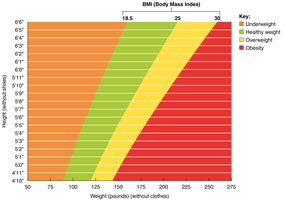
Limitations of BMI
Does not distinguish between fat and muscle mass.
Not accurate for athletes, pregnant/lactating women, or those with unusual body composition.
Fat Distribution Patterns
Android (apple shape): Central/abdominal fat, higher risk for chronic diseases.
Gynoid (pear shape): Hip/femoral fat, lower health risk.
Waist circumference: >40 inches (men), >35 inches (women) indicates increased risk.
Measuring Body Composition
Common methods include underwater weighing, skinfold measurements, bioelectrical impedance analysis (BIA), dual-energy X-ray absorptiometry (DXA), and the Bod Pod. Each method has varying accuracy and limitations.
Obesity: Risks, Causes, and Treatment
Health Risks Associated with Obesity
Hypertension, dyslipidemia, type 2 diabetes, heart disease, stroke, gallbladder disease, osteoarthritis, sleep apnea, certain cancers, menstrual irregularities, gestational diabetes, depression, cognitive decline.
Causes of Obesity
Biological factors: Genetics, metabolic rate, hormones.
Physical activity: Environment and individual behavior.
Environmental and sociocultural influences: Food availability, socioeconomic status, cultural norms, media, and lifestyle.
Energy imbalance: Chronic intake of more calories than expended.
Metabolic and physiologic factors: Low metabolic rate, hormonal imbalances (leptin, ghrelin), gut microbiome.
Evidence-Based Treatment of Obesity
Gradual changes in energy intake and increased physical activity.
Behavior modification (mindful and intuitive eating).
Dietary approaches: Low-energy diets, macronutrient composition adjustments.
Prescription medications (e.g., Contrave, Saxenda, Wegovy, Xenical, Qsymia) with specific indications and side effects.
Bariatric surgery for severe obesity (BMI > 40 or > 35 with comorbidities): Sleeve gastrectomy, gastric bypass, gastric banding.
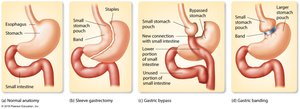
Pros: Significant weight loss, improved health markers.
Cons: Surgical risks, nutrient deficiencies, need for lifelong dietary changes.
Summary
Energy metabolism relies on the coordinated action of metabolic pathways, with B-vitamins and minerals serving as essential coenzymes and cofactors.
Obesity is a multifactorial condition with significant health risks, requiring comprehensive evaluation and evidence-based treatment strategies.
