 Back
BackEnergy Metabolism, B-Vitamins, Minerals, and Obesity: Structured Study Notes for Nutrition Students
Study Guide - Smart Notes
 Tailored notes based on your materials, expanded with key definitions, examples, and context.
Energy Metabolism
Metabolic Pathways and ATP Formation
Energy metabolism refers to the biochemical processes that convert food into energy (ATP) for cellular functions. Macronutrients—carbohydrates, fats, and proteins—are broken down through various metabolic pathways to produce ATP, the energy currency of the cell. - Key Point 1: Dietary carbohydrates, fats, and proteins are metabolized into glucose, fatty acids, and amino acids, which enter different metabolic pathways. - Key Point 2: ATP is generated through aerobic and anaerobic metabolism, with oxygen required for maximal energy production. - Example: Glucose can be stored as glycogen or used immediately for energy; fatty acids are stored in adipose tissue or used for energy. 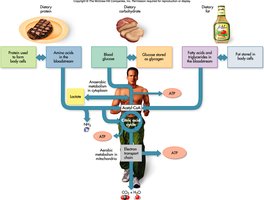
Role of Vitamins and Minerals in Metabolism
Vitamins and minerals do not provide energy directly but are essential cofactors and coenzymes in metabolic reactions. - Key Point 1: B-vitamins act as coenzymes, activating enzymes required for energy metabolism. - Key Point 2: Minerals such as chromium, manganese, and iodine are required for proper metabolic function.
B-Vitamins in Energy Metabolism
Coenzyme Function and Enzyme Activation
B-vitamins serve as coenzymes, molecules that bind to enzymes to activate them and facilitate metabolic reactions. - Key Point 1: Without coenzymes, many enzymes remain inactive and cannot catalyze reactions. - Key Point 2: Addition of a coenzyme enables the enzyme to bind substrates and carry out chemical reactions. 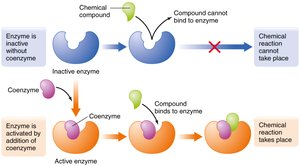
Thiamin (Vitamin B1)
Thiamin is a water-soluble vitamin essential for carbohydrate and amino acid metabolism. - Key Point 1: Functions as a coenzyme in energy metabolism and neurotransmitter production. - Key Point 2: Deficiency leads to beriberi, reduced cognitive function, muscle weakness, and heart failure. - Example: Whole grains and enriched grains are primary dietary sources. 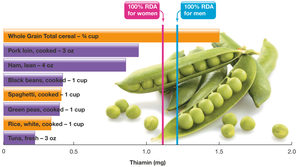
Riboflavin (Vitamin B2)
Riboflavin is a water-soluble vitamin involved in fat and carbohydrate metabolism. - Key Point 1: Functions as a coenzyme in metabolic pathways. - Key Point 2: Deficiency causes ariboflavinosis; riboflavin is sensitive to light. - Example: Milk, eggs, and poultry are common sources. 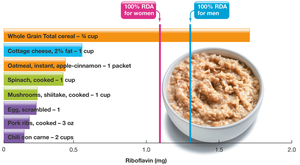
Niacin (Vitamin B3)
Niacin is a water-soluble vitamin important for carbohydrate and fatty acid metabolism, DNA replication, and cell differentiation. - Key Point 1: Deficiency causes pellagra, characterized by diarrhea, dermatitis, and dementia. - Key Point 2: Toxicity can occur with high doses, causing flushing. - Example: Meat, poultry, fish, and whole grains are dietary sources. 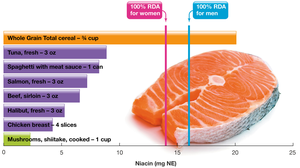
Pantothenic Acid
Pantothenic acid is a water-soluble vitamin found in many foods and is essential for fatty acid metabolism. - Key Point 1: Component of all energy-producing pathways. - Key Point 2: Deficiency is rare; toxicity is not known. - Example: Whole grains, meats, eggs, potatoes, and tomatoes are sources. 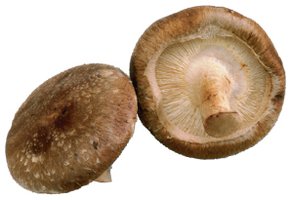
Biotin
Biotin is a water-soluble vitamin required for metabolism of all macronutrients. - Key Point 1: Deficiency is rare but can cause rash, lethargy, and neurological symptoms. - Key Point 2: Raw egg whites contain a protein that binds biotin, preventing absorption. - Example: Meat, egg yolks, nuts, and legumes are sources; some biotin is produced in the intestine.
Minerals in Energy Metabolism
Iodine
Iodine is a trace mineral required for synthesis of thyroid hormones, which regulate metabolic rate and body temperature. - Key Point 1: Deficiency or toxicity impairs thyroid hormone synthesis, leading to goiter. - Key Point 2: Iodine deficiency during pregnancy can cause cretinism in infants. - Example: Iodized salt, seafood, and dairy are dietary sources. 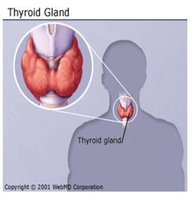
Chromium
Chromium is a trace mineral that enhances insulin action and is important for carbohydrate metabolism. - Key Point 1: Deficiency can cause elevated blood glucose levels. - Key Point 2: Found in mushrooms, prunes, dark chocolate, nuts, and whole grains.
Manganese
Manganese is a trace mineral involved in protein, fat, and carbohydrate metabolism, and is a component of antioxidant enzyme systems. - Key Point 1: Deficiency is rare; toxicity can affect the nervous system. - Key Point 2: Found in whole grains, pineapple, raspberries, spinach, and beans.
Energy Balance
Energy Intake vs. Energy Expenditure
Energy balance is the relationship between energy intake (food) and energy expenditure (activity and metabolism). - Key Point 1: Balance: Intake equals expenditure (weight stable). - Key Point 2: Deficit: Intake less than expenditure (weight loss); Excess: Intake greater than expenditure (weight gain). - Example: 1 lb of body fat equals 3,500 kcal. 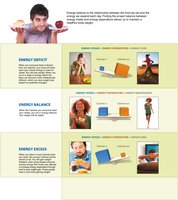
Components of Energy Expenditure
Energy expenditure includes basal metabolic rate (BMR), physical activity, and the thermic effect of food (TEF). - Key Point 1: BMR accounts for 60–75% of total energy expenditure. - Key Point 2: Physical activity accounts for 15–35%; TEF accounts for 5–10%. 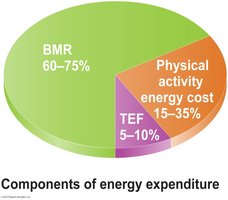
Physical Activity and NEAT
Physical activity includes planned exercise and non-exercise activity thermogenesis (NEAT), such as daily living activities. - Key Point 1: The more muscle groups used, the greater the energy expenditure. - Key Point 2: Intensity, duration, and body size influence energy expended. 
Thermic Effect of Food (TEF)
TEF is the energy cost of digesting, absorbing, metabolizing, and storing nutrients. - Key Point 1: Fat is metabolized more efficiently than protein or carbohydrate. - Key Point 2: More processed foods require less energy to digest.
Evaluating Body Weight
Healthful Body Weight Criteria
A healthful body weight is appropriate for age, maintained without constant dieting, compatible with normal blood pressure and glucose tolerance, and supported by good habits.
Body Mass Index (BMI)
BMI expresses the ratio of weight to height squared and is used to assess health risk. - Key Point 1: BMI below 18.5 or above 30 increases health risks. - Key Point 2: BMI is limited for athletes and pregnant women. 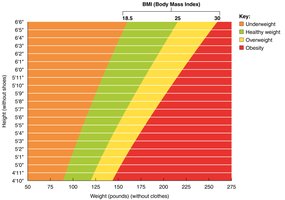
Fat Distribution Patterns
Fat distribution affects health risk. - Key Point 1: Android (apple shape) is associated with central obesity and higher risk for chronic diseases. - Key Point 2: Gynoid (pear shape) is associated with lower health risks. 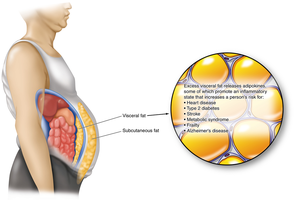
Measuring Body Composition
Body composition methods estimate fat-to-lean tissue ratio. - Key Point 1: Methods include underwater weighing, skinfolds, BIA, DXA, and Bod Pod. - Key Point 2: Range of error varies from 3% to over 20%. 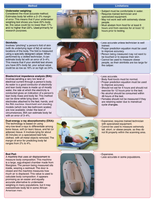
Obesity: Risks, Causes, and Treatment
Health Risks Associated with Obesity
Obesity increases risk for hypertension, dyslipidemia, type 2 diabetes, heart disease, stroke, gallbladder disease, osteoarthritis, sleep apnea, certain cancers, and reproductive complications.
Causes of Obesity
Obesity is influenced by biological, environmental, sociocultural, and behavioral factors. - Key Point 1: Energy imbalance (intake > expenditure) leads to weight gain. - Key Point 2: Metabolic, physiologic, and sociocultural factors contribute to risk.
Evidence-Based Treatment of Obesity
Treatment includes gradual changes in energy intake, regular physical activity, behavior modification, and medical interventions. - Key Point 1: Diets may focus on macronutrient composition (high carb/moderate fat/protein or low carb/high fat/protein). - Key Point 2: Prescription medications and bariatric surgery are options for severe obesity. 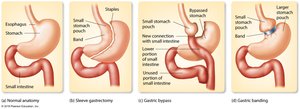
Behavior Modification and Lifestyle Changes
Mindful and intuitive eating, caloric restriction, and regular activity are critical for long-term weight management. - Key Point 1: Weight loss should not exceed 2 lbs/week; a deficit of 500 kcal/day is recommended. - Key Point 2: Bariatric surgery requires rigorous compliance and may cause nutrient deficiencies. Additional info: These notes expand on brief points with academic context, definitions, and examples to ensure completeness and clarity for exam preparation.
