 Back
BackFood Safety Regulation: FDA vs USDA in the U.S. Food System
Study Guide - Smart Notes
 Tailored notes based on your materials, expanded with key definitions, examples, and context.
Food Safety & Regulation
Overview of U.S. Food Regulatory Agencies
The safety and regulation of the U.S. food supply is managed primarily by two federal agencies: the Food and Drug Administration (FDA) and the United States Department of Agriculture (USDA). Each agency has distinct responsibilities, but their roles often overlap, especially in the regulation of certain foods. Understanding their functions is essential for nutrition students, as these agencies influence food safety, labeling, and nutritional guidelines.
FDA: Regulates about 78% of the U.S. food supply, including dairy, seafood, produce, processed foods, bottled water, and eggs in their shell.
USDA: Oversees meat, poultry, and egg products, and administers programs like SNAP and Dietary Guidelines.
Key Difference: The FDA focuses on food safety and nutrition labeling, while the USDA supports agricultural production and grades meat quality.
FDA Responsibilities
The FDA is part of the Department of Health and Human Services and operates the Human Foods Program, which aims to ensure food is a source of wellness for all U.S. consumers. The FDA regulates:
Dairy products: Packaged milk, yogurt, sour cream, cheese, and ice cream (without eggs).
Processed foods: Nutrition facts labels, ingredient safety, and food additives.
Seafood: Fish, shellfish, and all seafood except farmed catfish.
Eggs: Whole eggs in their shells.
Produce: Processed fruits and vegetables (e.g., applesauce, juice).
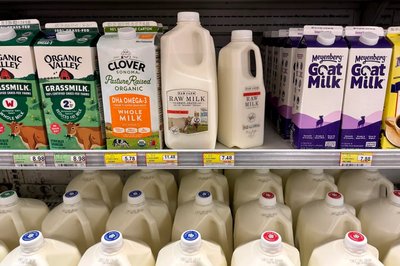
Example: The FDA regulates the nutritional labeling and safety of packaged milk and dairy products, ensuring they meet standards for fat content, moisture, and pasteurization.
USDA Responsibilities
The USDA is responsible for supporting the agricultural economy and nourishing Americans. Its main food-related functions include:
Meat and poultry: Mandatory safety inspections and optional grading (e.g., USDA Prime, USDA Choice).
Egg products: Inspection of processed egg products like packaged egg whites and powdered eggs.
Raw produce: Regulation of raw fruits and vegetables.
Nutrition policy: Establishes Dietary Guidelines and administers SNAP benefits.
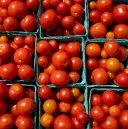
Example: The USDA inspects and grades raw produce, such as tomatoes, to ensure quality and safety before they reach consumers.
Complexities and Overlaps
Some foods are regulated by both agencies, leading to complex rules:
Eggs: USDA inspects processed egg products; FDA regulates whole eggs in shells and egg substitutes.
Sandwiches and pizza: Open-faced meat sandwiches and pepperoni pizza (with meat) are USDA-regulated; closed sandwiches and cheese pizza are FDA-regulated.
Meat from exotic animals: FDA regulates venison and wild game; USDA inspects sausages but FDA inspects sausage casings.
Food Safety Inspection and Grading
Food safety inspections are mandatory for certain products, while grading is optional and used for marketing purposes. The USDA's Agricultural Marketing Service grades meat, while the FDA sets standards for processed foods and dairy.
Food Category | Regulating Agency | Inspection/Grading |
|---|---|---|
Meat & Poultry | USDA | Mandatory inspection, optional grading |
Dairy | FDA | Safety standards, labeling |
Eggs (whole) | FDA | Safety standards |
Egg products | USDA | Inspection |
Seafood | FDA | Safety standards |
Farmed catfish | USDA | Inspection |
Raw produce | USDA | Inspection |
Processed produce | FDA | Safety standards |
Food Recalls and Public Health
When contamination occurs, the FDA publicizes recalls to protect consumers. The USDA also manages outbreaks, such as avian influenza, by testing and slaughtering affected poultry.
Nutrition Policy and Food Assistance
The USDA's Center for Nutrition Policy and Promotion establishes Dietary Guidelines, while the Food and Nutrition Service administers SNAP benefits, supporting food security and nutrition for low-income Americans.
Summary Table: FDA vs USDA Food Regulation
Agency | Main Responsibilities | Examples |
|---|---|---|
FDA | Processed foods, dairy, seafood, eggs (shell), nutrition labeling | Packaged milk, cheese, frozen pizza, bottled juice |
USDA | Meat, poultry, egg products, raw produce, nutrition policy | Steak, chicken, packaged egg whites, SNAP benefits |
Key Terms
Food Safety Inspection: Mandatory checks to ensure food is free from contamination and safe to eat.
Food Grading: Optional quality assessment for marketing purposes (e.g., USDA Prime).
Nutrition Facts Label: FDA-approved label showing nutrient content of processed foods.
SNAP: Supplemental Nutrition Assistance Program, administered by USDA.
Additional info:
The FDA is currently researching vaccines for avian influenza (H5N1) to protect dairy herds.
Budget cuts and policy changes can impact the effectiveness of food safety programs.
