 Back
BackNutrition and Cancer: Mechanisms, Risk Factors, and Dietary Strategies
Study Guide - Smart Notes
 Tailored notes based on your materials, expanded with key definitions, examples, and context.
Nutrition and Cancer
Introduction
Cancer is a group of diseases characterized by uncontrolled cell growth that can invade other tissues and disrupt normal bodily functions. Nutrition plays a significant role in both the development and prevention of cancer. Understanding the mechanisms of cancer formation, risk factors, and dietary strategies is essential for reducing cancer risk and promoting overall health.
Definitions and Stages of Cancer
Key Terms
Cancer: A disease in which cells multiply uncontrollably, invade other tissues, and disrupt normal function.
Tumor: A new mass of cells with no specific function. Tumors can be benign or malignant.
Benign Tumor: Non-cancerous; cells adhere to each other and do not invade other tissues.
Malignant Tumor: Cancerous; cells do not adhere, invade surrounding tissues, and may resist treatment.
Carcinogenesis: The process of cancer development, involving multiple stages.
Initiators: Substances that cause mutations in DNA, leading to cancer (e.g., radiation, carcinogenic chemicals).
Promoters: Substances that increase cell division but do not directly cause mutations (e.g., alcohol, dietary fat).
Oncologist: A physician specializing in cancer treatment.
Stages of Cancer Development
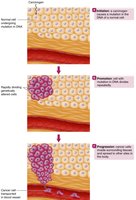
Initiation: Mutation of DNA in a normal cell, which may be random, inherited, or caused by environmental factors.
Promotion: Mutated cells divide uncontrollably, forming a mass over many years.
Progression: Cancerous cells grow out of control, develop their own blood supply, invade adjacent tissues, and may metastasize (spread) to other parts of the body.
Factors That Influence Cancer Risk
Overview
Cancer risk is influenced by both non-modifiable (genetic) and modifiable (lifestyle and environmental) factors. Understanding these factors can help in developing strategies for prevention.
Non-Modifiable Factors
Random DNA Mutations: Occur during DNA replication or due to environmental exposure; accumulate with age.
Family History: Inherited cancer genes (e.g., BRCA genes) increase risk but do not guarantee cancer development.
Modifiable Factors
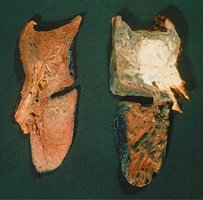
Tobacco Use: Major cause of cancer deaths; increases risk for cancers of the oral cavity, pharynx, larynx, esophagus, and lungs. All forms of tobacco, including cigars, pipes, and smokeless products, are harmful.
Overweight and Inactivity: Excess body weight and lack of physical activity are linked to higher cancer risk. Fat cells secrete estrogen, which can promote cancer growth. Calorie restriction and regular exercise may reduce risk.
Alcohol Intake & Poor Diet: Alcohol increases cancer risk, especially in the liver. Diets high in saturated fats and low in fruits and vegetables are associated with higher risk. Certain cooking methods (e.g., charring, frying) and processed meats introduce carcinogens like heterocyclic amines, nitrites, and acrylamide.
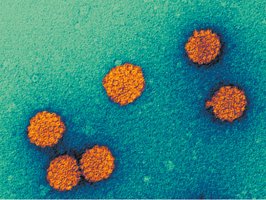
Infectious Agents: Viruses such as HPV (linked to cervical cancer), hepatitis B and C, HIV, and bacteria like Helicobacter pylori (linked to stomach cancer) can increase cancer risk.
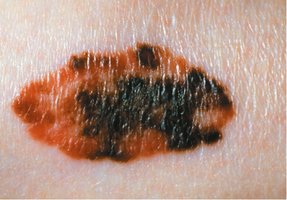
Ultraviolet Radiation: High exposure to UV rays from the sun or tanning beds increases risk for skin cancer, the most common cancer in the U.S.
Signs and Symptoms of Cancer
Common Signs and Symptoms
Unexplained weight loss
Fever, fatigue, and pain
Skin and mouth changes
Changes in bowel or bladder habits
Unusual bleeding or discharge
Thickening or lump
Nagging cough or hoarseness
Diagnosis involves blood tests and imaging (ultrasound, CT, MRI). Patients are often referred to oncologists for specialized care.
Cancer Treatments
Overview of Treatment Modalities
Surgery: Removal of the tumor; most effective when the entire mass can be excised.
Radiation: Use of high-energy rays to kill or damage cancer cells.
Chemotherapy: Combination of drugs to shrink or eliminate tumors.
Immunotherapy: Harnesses the body's immune system to target and destroy cancer cells.
Cancer Prevention Strategies
Key Recommendations
Check: Regular screening for early detection.
Quit: Avoid tobacco and limit alcohol intake.
Move: Engage in regular physical activity (150–300 minutes moderate or 75–150 minutes vigorous per week).
Nourish: Maintain a healthy weight and consume a balanced diet.

Dietary Recommendations to Reduce Cancer Risk
Protective Dietary Patterns
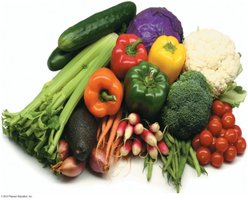
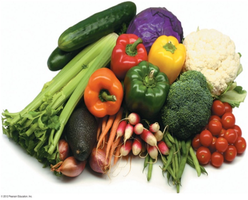
High intake of fruits and vegetables (variety of colors, whole foods, not supplements)
Rich in antioxidants and phytochemicals (e.g., phytoestrogens in soy)
High fiber diet (both soluble and insoluble fiber)
Whole grains instead of refined grains
Low saturated fat, high in omega-3 fatty acids
Moderate or no alcohol intake
Foods and Practices to Limit
Decrease intake of cured meats and meats cooked at high temperatures
Minimize processed meats (bacon, sausage, lunch meats, hot dogs)
Choose fish, poultry, or legumes over red meats
Calorie restriction to maintain healthy weight
Reduce intake of sugar-sweetened beverages
Role of Antioxidants in Cancer Prevention
Mechanisms of Action
Enhance the immune system
Prevent oxidative damage to cells
Inhibit growth of cancer cells and tumors
Promote apoptosis (programmed cell death) in cancer cells
Summary Table: Modifiable and Non-Modifiable Cancer Risk Factors
Non-Modifiable Factors | Modifiable Factors |
|---|---|
Family history/genetics | Tobacco use |
Random DNA mutations | Overweight/inactivity |
Age | Alcohol intake |
Poor diet | |
Infectious agents (HPV, hepatitis, H. pylori) | |
UV radiation exposure |
Conclusion
Understanding the relationship between nutrition and cancer is crucial for prevention and management. By adopting a healthful diet, engaging in regular physical activity, and avoiding known carcinogens, individuals can significantly reduce their risk of developing cancer.
