 Back
BackNutrition and Society: Food Politics, Food Systems, and Global Diets
Study Guide - Smart Notes
 Tailored notes based on your materials, expanded with key definitions, examples, and context.
Nutrition and Society: Food Politics and Perspectives
The Food Industry
The food industry is a vast network that encompasses all aspects of food production, from crop cultivation to food processing, marketing, distribution, and regulation. It plays a crucial role in shaping dietary patterns and food availability in society.
Scope: Includes farming, manufacturing, processing, marketing, advertising, distribution, shipment, and regulation.
Fast Food Industry: Supplies a significant portion of the American diet, often with foods low in nutritional value. Its influence is growing globally.
Food System: Involves farmers, processors, wholesalers, retailers, technology, and marketing working together to deliver food to consumers.

Food Preservation and Processing
Food preservation and processing are essential for ensuring food safety, extending shelf life, and facilitating distribution. However, these processes can also impact the nutritional quality of foods.
Preservation Methods: Techniques such as canning, freezing, and irradiation protect consumers from harmful pathogens and spoilage.
Food Processing: Transforms raw ingredients into packaged foods, making them more convenient and shelf-stable, but may reduce nutritional content and introduce additives.
Food Additives: Over 3,000 additives are used to stabilize, preserve, and enhance food texture. Common examples include benzoates, nitrites, sulfites, and sorbates.
Purpose | Examples | Pros | Cons |
|---|---|---|---|
Preservation | Benzoates, nitrites | Prevents spoilage, extends shelf life | Some linked to health risks |
Texture/Body | Sorbates | Improves product quality | Possible sensitivities |
Genetically Modified Foods (GMOs): Plants or animals altered through genetic engineering to improve yield, pest resistance, or nutritional value. While GMOs can benefit productivity, concerns exist regarding allergenicity, gene transfer, and environmental impact.
Enrichment and Fortification: Enrichment restores nutrients lost during processing (e.g., adding B vitamins to flour), while fortification adds new nutrients to enhance value (e.g., vitamin D in milk). These practices help address nutrient deficiencies but may be misused to market less nutritious foods.
Climate Change and the Food System
Climate change poses significant challenges to food production, including increased droughts, floods, and the spread of pests. These factors can reduce crop yields and the nutritional quality of foods.
Soil Depletion: Loss of minerals like zinc and iron due to changing environmental conditions.
Mitigation Strategies: Reducing emissions, adopting green energy, and biofortification (breeding crops with higher nutrient content).
Food Regulation
Three key government agencies regulate food in the United States:
U.S. Department of Agriculture (USDA)
U.S. Food and Drug Administration (FDA)
U.S. Environmental Protection Agency (EPA)
The Politics of Food
Food Politics and Stakeholders
Food politics refers to the influence of policy, economics, and advocacy on food production, distribution, and consumption. Multiple stakeholders are involved, including farmers, companies, restaurants, distributors, retailers, consumers, trade associations, and advocacy groups.
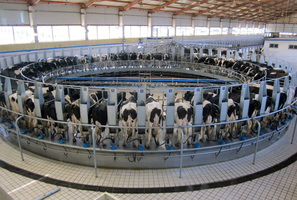
Key Issues: Genetic modification, food additives, chemical runoff, factory farming, pesticide use, antibiotics in livestock, unhealthy ingredients, fast food marketing, and food safety standards.

Food Policy and Legislation
Food Safety Modernization Act (FSMA): Strengthens FDA authority to improve food safety.
New Era of Smarter Food Safety: Introduces digital and traceable food systems.
The Farm Bill: Determines federal agricultural and food policy.
Sustainable Agriculture
Sustainable agriculture aims to provide nutritious food while preserving natural resources for future generations. Benefits include reduced exposure to pesticides and antibiotics, environmental protection, and support for local economies.
Consume less processed food
Eat more homecooked meals
Adopt a plant-based diet
Buy organic and locally grown foods
The Issues of Food Insecurity
Food Security and Insecurity
Food security is the state of having reliable access to sufficient, safe, and nutritious food. Food insecurity occurs when access is limited by lack of resources, affecting millions in the U.S. and worldwide.
Malnutrition: Can result from deficiencies in macronutrients (e.g., protein) or micronutrients (e.g., vitamins, minerals).
Hunger: Most at risk are people in poverty, both in rural and urban areas, and victims of disasters. In the U.S., low-income families, the elderly, unhoused individuals, and children are particularly vulnerable.
Government and Community Assistance Programs
Healthy, Hunger-Free Kids Act of 2010: Supports food-insecure children through core nutrition programs.
USDA Food Assistance Programs: Includes SNAP, WIC, National School Lunch Program, Child and Adult Care Food Program, and Head Start.
Charitable Organizations: Food banks, pantries, soup kitchens, and nonprofit/religious groups provide local support.
Diets Around the World
Regional Dietary Patterns
Dietary habits are shaped by local food availability, cultural traditions, and economic factors. Below are examples from different regions:
United States and Canada: Diverse cuisine; breakfast often includes cereals, toast, eggs, and hot dishes on weekends.
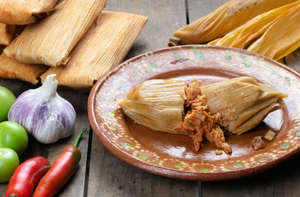
Mexico, Central and South America: Staples include rice, corn, quinoa, tortillas, tamales, avocados, yucca, peppers, and tropical fruits. Common breakfasts feature huevos rancheros and pan dulce.
Europe: Highly diverse; staples include potatoes, wheat, dairy, pasta, bread, and coffee. Notable dishes: Italian pasta, French quiche, Spanish paella.
Africa: Ethiopian cuisine uses local herbs and spices; Central and West Africa rely on cassava, plantains, peanuts, and chili peppers. Colonial heritage influences breakfast foods.

Asia: Rice is a staple. Indian diets are often vegetarian; Chinese cuisine is regionally diverse; Korean meals center on rice and kimchi; Japanese diets feature rice and seafood; Middle Eastern diets include lamb, baba ghanoush, and hummus. Congee (rice porridge) is a common breakfast.
The Diversity of Palates and Habits
People tend to eat what is locally available. Income and economic development influence dietary diversity and quality. Homecooked family meals are associated with better nutrition, stronger family bonds, and positive developmental outcomes for children.
Key Takeaways
The food industry and food system are complex, involving production, processing, distribution, and regulation.
Food politics and policy shape what is produced, how it is marketed, and what is available to consumers.
Food insecurity remains a significant issue, addressed by government and community programs.
Global diets are diverse, influenced by geography, culture, and economics. Homecooked meals offer nutritional and social benefits.
