 Back
BackNutrition and Wellness: Diet, Fitness, Disease Prevention, and Food Safety
Study Guide - Smart Notes
 Tailored notes based on your materials, expanded with key definitions, examples, and context.
Achieving Optimal Health: Wellness and Nutrition
Nutrition and Health
Nutrition is a cornerstone of wellness, influencing physical, mental, and emotional health. Eating for wellness involves making mindful choices, prioritizing whole foods, and understanding the role of dietary supplements.
Mindful Eating: Involves being aware of hunger and satiety cues, eating slowly, and appreciating food quality.
Dietary Supplements: Include vitamins, minerals, probiotics, and herbal remedies. While supplements can help address deficiencies, food should be the primary source of nutrients due to its complex nutrient matrix.
Functional Foods: Foods that provide health benefits beyond basic nutrition (e.g., fortified cereals, probiotic yogurts).
Types of Functional Foods:
Conventional foods: Whole, unmodified foods (e.g., fruits, vegetables).
Modified foods: Fortified, enriched, or enhanced foods (e.g., vitamin D milk).
Medical foods: Designed for specific dietary management under medical supervision.
Special dietary use foods: For specific populations (e.g., infant formula).

Dietary Food Trends
Modern dietary trends emphasize holistic nutrition, focusing on the interconnectedness of physical, social, spiritual, and mental health. Evidence-based diets promote health and disease prevention.
Holistic Nutrition: Prioritizes unrefined, unprocessed, and organic foods, considering the whole person.
DASH Diet: Designed to reduce hypertension by lowering sodium intake and emphasizing fruits, vegetables, and low-fat dairy.
Mediterranean Diet: Emphasizes plant-based foods, healthy fats (olive oil), and limits processed foods.
Gluten-Free Diet: Essential for celiac disease; focuses on naturally gluten-free foods.
Low-Carb Diets: (e.g., Atkins, Paleo, Ketogenic) Limit carbohydrates to promote weight loss.
Vegetarian and Vegan Diets: Can reduce chronic disease risk and support sustainable agriculture if well-balanced.
Food Supplements and Food Replacements
Supplements can provide macronutrients, micronutrients, probiotics, and herbal compounds. However, excessive use may lead to toxicity or interact with medications. Food should remain the primary nutrient source.
Macronutrient Supplements: Protein powders, meal replacements.
Micronutrient Supplements: Vitamins and minerals.
Probiotics: Live microorganisms that support gut health.
Herbal Supplements: Plant-derived compounds with potential health effects.
Key Takeaway: Evidence-based diets (e.g., Mediterranean, DASH, vegetarian) offer health benefits. Supplements can help but should not replace whole foods.
Fitness and Health
Essential Elements of Physical Fitness
Physical fitness is vital for optimal health, encompassing several key components:
Cardiorespiratory Endurance: The ability of the cardiovascular system to deliver oxygen and nutrients during sustained activity.
Muscle Strength and Endurance: Muscle strength is the ability to exert force; endurance is the ability to sustain activity over time.
Flexibility: The range of motion at a joint. Activities like yoga, tai chi, and stretching improve flexibility.

Metabolic Fitness
Metabolic fitness refers to the body's efficiency in using energy and maintaining metabolic health.
Resting Metabolic Rate (RMR): The energy required to maintain basic body functions at rest.
Physical Activity: Increases calorie expenditure and supports weight management.
Benefits of Physical Activity
Physical Benefits: Increased lifespan, cardiovascular disease prevention, chronic disease management, stronger bones, and higher energy levels.
Mental and Emotional Benefits: Improved mood, reduced depression risk, better cognitive function, and improved sleep quality.
Key Takeaway: Regular exercise supports disease prevention and overall wellness. The four pillars of fitness are cardiorespiratory endurance, muscle strength, muscle endurance, and flexibility.
Threats to Health: Chronic Diseases
Chronic Diseases and Nutrition
Chronic diseases develop due to a combination of genetic, environmental, and lifestyle factors. Nutrition and physical activity play crucial roles in prevention and management.
Cardiovascular Disease: Leading cause of death in the U.S. Risk can be reduced by lowering sodium, increasing dietary fiber, and limiting saturated fat.
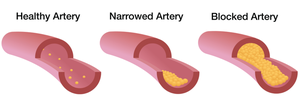
Hypertension: Chronic high blood pressure, a major risk for heart attacks and strokes. Managed by reducing sodium, increasing activity, and following the DASH diet.
Cancer: Caused by genetic mutations; risk reduced by physical activity, plant-based diets, and maintaining healthy weight.
Diabetes: Includes type 1, type 2, and gestational diabetes. Managed by healthy eating, physical activity, and weight control.
Key Takeaway: Modifiable risk factors such as diet, activity, and smoking can reduce chronic disease risk.
Foodborne Illness and Food Safety
Major Types of Foodborne Illness
Foodborne illnesses are caused by pathogens, toxins, and chemical contaminants. Microorganisms thrive in specific conditions:
Temperature: 40°F–140°F is the 'danger zone' for rapid bacterial growth.
Time: More than two hours in the danger zone increases risk.
Water: High moisture foods (e.g., fruits, vegetables) support growth.
Oxygen: Most need oxygen, but some are anaerobic.
Acidity/pH: Most grow best at pH ~7.0; few grow below pH 4.0.
Nutrient Content: High-protein foods are especially susceptible.
Causes of Food Contamination
Bacteria: Salmonella is a common cause of foodborne illness.
Viruses: Norovirus is a frequent culprit.
Parasites: Protozoa such as Anisakis and Giardia lamblia can contaminate food and water.

Molds: Some are safe (e.g., in blue cheese), others produce dangerous toxins (e.g., aflatoxins).
Mushrooms: Poisonous varieties produce mycotoxins.
Chemical Contaminants: Pesticide residues and pollutants can be harmful.

Protecting Public Health
Several government agencies regulate food safety:
CDC: Tracks outbreaks and recommends prevention strategies.
FDA: Enforces food safety laws for domestic and imported foods.
USDA: Regulates meat and poultry safety.
Health Canada: Monitors contaminants and consumer exposure.
Consumers can protect themselves by following four key steps:
Clean: Wash hands, surfaces, and produce thoroughly.
Separate: Avoid cross-contamination by using separate utensils and storage for raw and cooked foods.
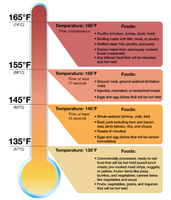
Cook: Heat foods to safe internal temperatures. Use a food thermometer.
Chill: Refrigerate leftovers promptly and thaw foods safely.
Careers in Nutrition
Nutrition-Related Professions
There are diverse career paths in nutrition, including:
Registered Dietitian Nutritionist (RDN): Credentialed professionals who provide nutritional care and counseling.
Nutritionist: May or may not have formal credentials; roles vary widely.
Other Careers: Government, private sector, sports nutrition, clinical counseling, and public health.

Key Takeaway: Nutrition careers range from clinical dietetics to public health and private consulting, offering opportunities to promote health and wellness.
