 Back
BackNutrition Basics: Foundations of Nutrition, Health, and Disease
Study Guide - Smart Notes
 Tailored notes based on your materials, expanded with key definitions, examples, and context.
Science of Nutrition
Defining Nutrition, Health, and Disease
Nutrition is the study of how organisms obtain, metabolize, and utilize nutrients to support life processes. Nutritional science investigates the impact of nourishment on individual, population, and planetary health. Understanding the relationship between nutrition, health, and disease is foundational for promoting well-being and preventing illness.
Nutrition: The sum of all processes involved in how organisms obtain nutrients, metabolize them, and use them to support all of life’s processes.
Nutritional Science: The investigation of how an organism is nourished and how nourishment affects health at multiple levels.
Health: A state of complete physical, mental, and social well-being, not merely the absence of disease or infirmity.
Disease: Any abnormal condition affecting health, characterized by specific signs and symptoms.
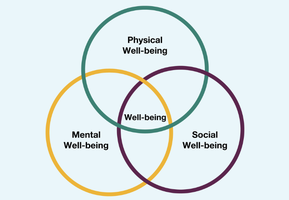
Health Promotion: Activities and habits (e.g., physical activity, healthy sleep, balanced diet) that promote health.
Disease Prevention: Activities and habits that help prevent disease.
Key Takeaway: Good nutrition is a mechanism to promote health and prevent disease, affecting all aspects of well-being.
Tools for Healthful Eating
Nutrition Facts and Food Guidance Systems
Nutrition labels and food guidance systems are essential tools for making informed dietary choices. They provide information on nutrient content and help individuals plan balanced meals.
Nutrition Facts Label: Displays information about calories, macronutrients, vitamins, and minerals per serving.
MyPlate: A visual guide to healthy eating, emphasizing the proportions of fruits, vegetables, grains, protein, and dairy in a balanced diet.
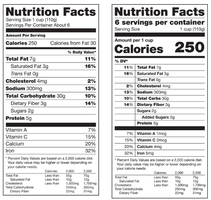
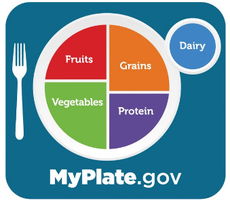
Example: Comparing food labels helps consumers choose products with lower saturated fat or higher fiber content.
The Human Body & Digestion
Macronutrients and Micronutrients
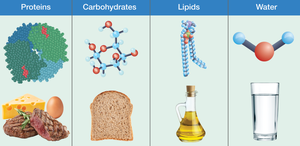
The human body requires six classes of essential nutrients: carbohydrates, lipids, proteins, water, vitamins, and minerals. Macronutrients are needed in large amounts and provide energy, while micronutrients are required in smaller quantities but are vital for metabolic processes.
Carbohydrates: Organic molecules (carbon, hydrogen, oxygen); include simple and complex sugars.
Lipids: Organic compounds (carbon, hydrogen, oxygen); include triglycerides, phospholipids, and sterols; insoluble in water.
Proteins: Chains of amino acids (contain nitrogen); essential for structure and function.
Water: Vital for life; involved in all bodily processes.
Vitamins: Organic, non-caloric substances; act as enzymes or co-enzymes; classified as water- or fat-soluble.
Minerals: Inorganic, solid substances; classified as trace or macro minerals.
Energy Yield:
Carbohydrates: 4 calories/gram
Proteins: 4 calories/gram
Lipids: 9 calories/gram
Nutrient Density: The amount of essential nutrients a food contains relative to its energy content.
Science of Nutrition
The Scientific Method in Nutrition
Nutritional science relies on the scientific method to evaluate the health effects of foods and nutrients. This evidence-based approach ensures that dietary guidelines are grounded in rigorous research.
Steps of the Scientific Method:
Observation
Hypothesis formation
Testing the hypothesis
Evaluating results
Gathering more evidence
Conclusion
Types of Studies:
Epidemiological studies: Examine patterns and causes of health events in populations.
Randomized clinical trials: Test interventions by changing variables between groups.
Laboratory studies: Conducted on animals or cells to explore mechanisms.

Key Takeaway: Agreement among experts and accumulation of evidence are necessary before making dietary recommendations.
The Human Body & Digestion
Genetics, Life Cycle, Environment, and Lifestyle
Health status is influenced by genetics, life cycle stage, environment, and lifestyle. These determinants interact to shape nutritional needs and health outcomes.
Genetics: Inherited traits, including disease risk. Nutrigenomics studies how nutrients affect gene expression; epigenetics explores how non-genetic factors influence gene activity.
Life Cycle: Nutritional requirements change from birth through old age.
Environment: Socioeconomic status (income, occupation, education) is a strong predictor of health.
Lifestyle: Dietary habits, physical activity, substance use, and sleep patterns all impact health.

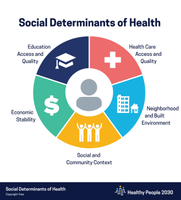
Personal Choice: Food choices are influenced by economics, social and cultural factors, geography, emotions, taste, habits, advertising, health concerns, and sustainability considerations.
Assessing Personal Health
Personal Health Assessment and Goal Setting
Assessing personal health involves evaluating physical, mental, and lifestyle factors. Setting goals and tracking progress are essential for adopting and maintaining healthy nutrition-related practices.
Physical exams, blood work, BMI, and fitness assessments provide objective health data.
Dietary assessment tools include food journals and resources like MyPlate.gov.
Evaluating family medical history helps identify disease risks.
Assessing habits, emotional health, sleep, and work-life balance supports holistic well-being.
Steps for Health Improvement:
Track personal health.
Assess and improve diet.
Research family medical history.
Evaluate lifestyle habits.
Implement changes for a healthier life.
Food Insecurity in the US and the World
Sustainable Food Systems
A sustainable food system meets current food needs without compromising future generations or the environment. Key attributes include availability, accessibility, affordability, humane treatment, and justice for all stakeholders.
Sustainable Food System: Provides food for present and future generations without negative environmental impact.
Attributes: Availability, accessibility, affordability, humane, and just.
Challenges: Ensuring food security, nutrition quality, and equitable access across socioeconomic groups.
Solutions: Eating a low-carbon diet, supporting local farmers, reducing food waste, composting, and choosing foods with less packaging.
Individual Actions: Participate in farmers’ markets, grow food at home, support small businesses, and advocate for policies that promote sustainable food systems.
