 Back
BackNutrition in Health: Foundations, Guidelines, and Public Health Perspectives
Study Guide - Smart Notes
 Tailored notes based on your materials, expanded with key definitions, examples, and context.
Nutrition Science and Health Promotion
Definition and Role of Nutrition
Nutrition is the study of nutrients and the processes by which they are utilized by the body to support growth, maintenance, and overall health. Nurses play a critical role in educating patients about prescribed dietary treatments and promoting healthful eating behaviors, though they do not develop dietary regimens themselves.
Nutrients are chemical substances in food that are essential for life and health.
Nutrition education is a key component of health promotion and disease prevention.
Interdisciplinary cooperation is vital for optimal patient nutrition, involving collaboration among nurses, dietitians, physicians, and other healthcare professionals.
Health Promotion Strategies
Health promotion involves strategies designed to raise the health status of individuals, families, and communities. These strategies include education, policy development, and community engagement to encourage healthy lifestyle choices. 
Dietary Reference Intakes (DRIs)
Overview of DRIs
Dietary Reference Intakes (DRIs) are a set of nutrient-based reference values used to plan and evaluate diets for healthy populations. They are developed to maintain health and prevent deficiency diseases. DRIs are used by professionals to assess nutrient intake, not specific foods.
DRIs consist of five sets of reference standards:
Recommended Dietary Allowance (RDA): The average daily intake level sufficient to meet the nutrient requirements of nearly all (97-98%) healthy individuals.
Estimated Average Requirement (EAR): The average daily nutrient intake level estimated to meet the requirement of half the healthy individuals in a particular life stage and gender group.
Adequate Intake (AI): Established when evidence is insufficient to develop an RDA; a level assumed to ensure nutritional adequacy.
Tolerable Upper Intake Level (UL): The highest daily nutrient intake level likely to pose no risk of adverse health effects for most individuals.
Chronic Disease Risk Reduction Intake (CDRR): Intake level associated with reduced risk of chronic disease, such as sodium intake for hypertension prevention.
Recommended Dietary Allowance (RDA)
The RDA informs individuals of the daily amount of a specific nutrient needed to maintain health. Nutrients may have either an RDA or an AI, depending on available research.
RDAs are more precise and cover the needs of most of the population.
AIs are approximate averages used when RDAs cannot be established.
Adequate Intake (AI)
AI is the average nutrient level consumed daily by a healthy population, assumed to be adequate for the population's needs.
Helps maintain healthy body weight and reduces risk of overweight and obesity.
Protects against infection and chronic diseases such as type 2 diabetes, heart disease, stroke, and some cancers.
Reduces risk of premature death.

Tolerable Upper Intake Level (UL)
UL is the highest average daily intake level of a nutrient that is unlikely to pose risks of adverse health effects for most individuals.
Intake above the UL increases risk of toxicity and negative health outcomes.
Chronic Disease Risk Reduction Intake (CDRR)
CDRR is the intake level associated with reduced risk of chronic diseases. For example, reducing sodium intake lowers the risk of hypertension and cardiovascular diseases. 
Dietary Patterns and Diet Quality
Total Diet Approach
The total diet approach considers dietary patterns, including the amount, proportions, variety, and combinations of foods and beverages consumed, as well as the frequency of consumption.
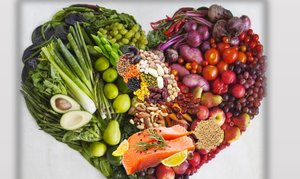
Examples of healthy dietary patterns include the DASH diet and the Mediterranean diet.
Nutrient density refers to the relative proportion of nutrients to calories in a food or serving.
Overall diet quality is assessed by evaluating the nutrient density and variety of foods consumed.
Positive and Detrimental Health Outcomes
Eating patterns are closely linked to health outcomes. Positive patterns are associated with reduced risk of chronic diseases, while detrimental patterns increase risk.
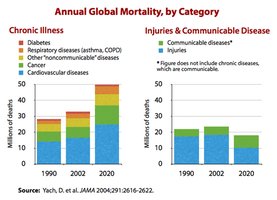
Chronic diseases such as diabetes, cardiovascular disease, and cancer have become more prevalent due to changes in lifestyle and diet.
Acute infectious diseases have been replaced by chronic, lifestyle-related diseases as major causes of death.
Factors Influencing Disease Patterns
Lifestyle and Environmental Factors
Several factors have contributed to dramatic changes in disease patterns over the past 50 years:
Abundant and cheap food supply
Mechanization of daily life
Variety of sedentary occupations
Profound increase in computer screen time
Public Health Initiatives
Healthy People 2030
Healthy People 2030 is a comprehensive blueprint for monitoring the nation’s progress toward improved health. Its goals include:
Attaining healthy, thriving lives and well-being free of preventable disease, disability, injury, and premature death.
Eliminating health disparities and achieving health equity.
Attaining health literacy to improve the health and well-being of all.
Social Determinants of Health (SDoH)
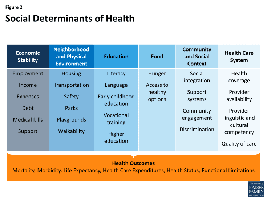
Social Determinants of Health are defined by the World Health Organization as the conditions in which people are born, grow, live, work, and age. These determinants influence health outcomes and include economic stability, education, neighborhood and physical environment, food, community and social context, and health care system.
Addressing SDoH is essential for achieving health equity and improving population health.
Lifestyle Medicine and Future Directions
Core Competencies of Lifestyle Medicine
Lifestyle medicine utilizes evidence-based therapeutic approaches to prevent, treat, and reverse chronic disease. Core competencies include:
A plant-predominant dietary lifestyle
Regular physical activity
Adequate sleep
Stress management
Avoidance of risky substances
Pursuing non-drug modalities for chronic disease management
Nutrigenomics and Future Benefits
Nutrigenomics is the study of how nutrition interacts with genes to influence health outcomes.
Potential future benefits include personalized nutrition recommendations based on genetic profiles.
Use of biomarkers, databases, and bioinformatics to advance nutrition science.
Summary Table: Dietary Reference Intakes
DRI Standard | Definition | Purpose |
|---|---|---|
RDA | Average daily intake sufficient for nearly all healthy individuals | Prevents deficiency, supports health |
EAR | Average daily intake estimated to meet needs of half the population | Used for population-level assessment |
AI | Approximate intake assumed to ensure adequacy | Used when RDA cannot be determined |
UL | Highest daily intake unlikely to cause harm | Prevents toxicity |
CDRR | Intake level associated with reduced chronic disease risk | Chronic disease prevention |
References
Dudek, S. (2022). Nutrition Essentials for Nursing Practice (9th ed.). Philadelphia: Lippincott, Williams, and Wilkins.
U.S Department of Health and Human Services. ODPHP (2020, August 8). Healthy People 2030. Building a healthier future for all.
World Health Organization. (2025). World Report on social determinants of health equity: executive summary.
