 Back
BackPrinciples of Nutrition: Linking Food, Health, and Dietary Guidelines
Study Guide - Smart Notes
 Tailored notes based on your materials, expanded with key definitions, examples, and context.
Food and Nutrition
Definitions and Importance
Nutrition is the scientific study of food, including how it nourishes the body and influences health. Food is any substance the body takes in and assimilates to stay alive and grow. Nutrients are components of food indispensable to the body’s functioning. Essential nutrients must be obtained from food, while non-essential nutrients can be synthesized by the body.
Nutrition and Health
Nutrition supports health and well-being, encompassing physical, mental, and social aspects. Two critical aspects of physical health are nutrition and physical activity. Proper nutrition enables daily living, mental tasks, immune function, and social interactions.
Supports daily activities
Enhances mental performance
Strengthens immune system
Facilitates social experiences

Nutrition and Disease Prevention
Nutrition can prevent both nutrient-deficiency diseases (e.g., scurvy, pellagra) and chronic diseases (e.g., heart disease, stroke, diabetes). Obesity is a primary link between poor nutrition and mortality.
Nutrient-deficiency diseases: Scurvy, pellagra
Chronic diseases: Heart disease, stroke, diabetes
Nutrition-related diseases: Osteoarthritis, osteoporosis
Leading Causes of Death in the United States
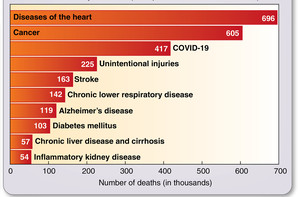
Many leading causes of death are associated with nutrition, including heart disease, cancer, stroke, and diabetes.
Obesity Trends in the United States
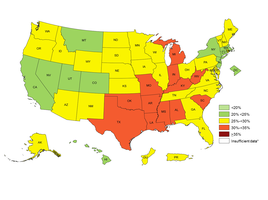
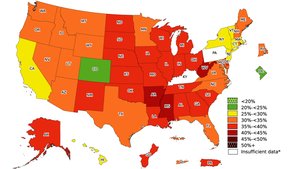
Obesity rates have increased significantly from 2011 to 2023, with regional variations across the country.
Essential Nutrients
Six Groups of Essential Nutrients
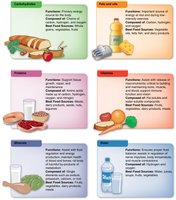
There are six groups of essential nutrients found in foods:
Carbohydrates
Fats and oils
Proteins
Vitamins
Minerals
Water
Macronutrients and Energy
Macronutrients are required in large amounts and provide energy. Energy is measured in kilocalories (kcal):
Carbohydrates: 4 kcal/g
Fats: 9 kcal/g
Proteins: 4 kcal/g
Micronutrients (vitamins and minerals) are required in smaller amounts and do not provide energy.
Carbohydrates
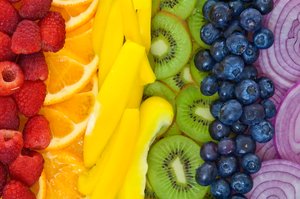
Carbohydrates are the primary source of fuel for the body, especially the brain. They are found in grains, vegetables, fruits, legumes, dairy, nuts, and seeds.

Fats & Oils
Fats are composed of lipids, molecules insoluble in water. They provide energy and are found in butter, margarine, and vegetable oils.

Proteins
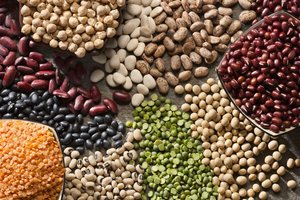
Proteins are chains of amino acids and are found in meats, dairy products, seeds, nuts, and legumes. They are not usually a primary energy source.
Micronutrients: Vitamins and Minerals
Vitamins are organic molecules essential for regulatory and metabolic functions. Minerals are inorganic substances required for structural, regulatory, and metabolic capacities. Both are needed in small amounts and do not supply energy.
Water
Water is an inorganic macronutrient vital for health and survival. It is involved in fluid balance, nutrient transport, nerve impulses, waste removal, muscle contractions, and body temperature regulation.
Beneficial Non-Nutrient Compounds
Functional foods contain biologically active ingredients that provide health benefits beyond basic nutrition. Examples include probiotics, prebiotics, and phytochemicals.
Interpreting Nutrition Research
The Scientific Method
Nutrition research applies the scientific method, which involves observation, hypothesis formation, experimentation, data collection, and theory development.

Types of Research Studies
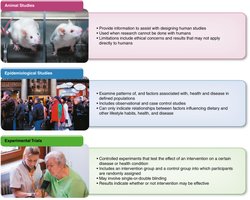
Nutrition research includes laboratory animal studies, epidemiologic studies, and experimental trials.
Animal Studies: Provide information for human studies but may not directly apply to humans.
Epidemiologic Studies: Examine patterns and factors associated with health and disease in populations.
Experimental Trials: Test interventions using control and experimental groups, often with randomization and blinding.
Nutritional Status
Optimal, Under-nutrition, Over-nutrition, and Imbalance
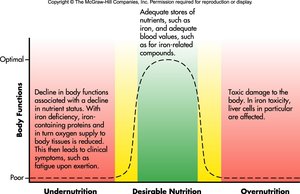
Optimal nutritional status supports routine chemical processes and provides surplus stores. Deviations include under-nutrition, over-nutrition, and imbalance.
Undernutrition: Insufficient intake or increased requirements lead to deficiency symptoms.
Overnutrition: Excess intake may cause toxicity or nutrient imbalances.
Imbalance: Excess of one nutrient can affect absorption or function of others.
Nutrition Care Process and Assessment
The Nutrition Care Process is a systematic approach used by registered dietitians, including assessment, diagnosis, intervention, monitoring, and evaluation. Assessment methods include anthropometrics, biochemical indices, clinical examination, dietary assessment, and environmental assessment.
Nutrition Guidelines
Dietary Guidelines for Americans
The Dietary Guidelines for Americans are revised every five years and provide principles for healthy eating:
Eat the right amount for you
Prioritize protein foods at every meal (1.2-1.6 g/kg body weight)
Consume dairy (3 servings/day)
Eat vegetables (3 servings/day) and fruits (2 servings/day)
Incorporate healthy fats
Focus on whole grains (2-4 servings/day)
Limit highly processed foods, added sugars, and refined carbohydrates
Limit alcoholic beverages
Diet Planning: MyPlate and MyPyramid
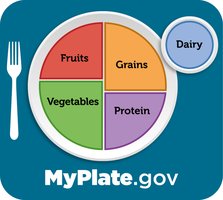
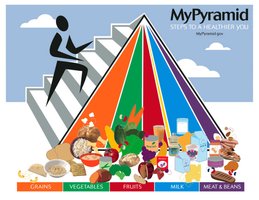
MyPlate and MyPyramid are visual tools for diet planning, illustrating food groups and recommended proportions.
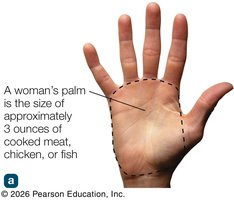
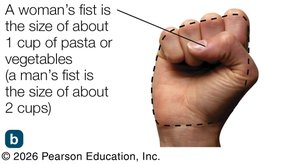
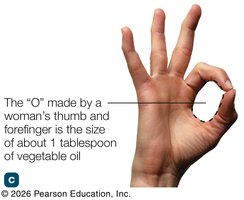
Serving Sizes and Handy Guides
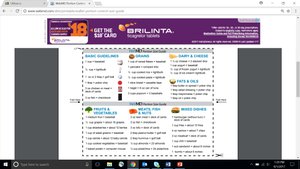
Understanding serving sizes is essential for diet planning. Common serving sizes include:
Dairy: 1 cup milk/yogurt, 1.5 oz cheese
Protein: 1 oz meat, 1 egg, 1/4 cup beans
Vegetable: 1 cup cooked/raw, 2 cups leafy greens
Fruit: 1 cup fruit/juice, 1/2 cup dried fruit
Grain: 1 slice bread, 1 cup dry cereal, 1/2 cup cooked rice/pasta
Designing a Healthful Diet
Principles of a Healthful Diet
A healthful diet is adequate, moderate, balanced, varied, and nutrient dense. Nutrient density compares the nutrient content of food to its calorie content.
Adequate: Provides enough energy, nutrients, and fiber
Moderate: Appropriate amounts, limited sugar, salt, saturated fat
Balanced: Proper proportions of nutrients
Varied: Many different foods from all groups
Nutrient Dense: High nutrients, low calories (e.g., fruits, vegetables, lean proteins, whole grains)

Conclusion
Students should now be able to define nutrition, explain its importance to health, identify the six classes of nutrients, recognize credible sources of nutrition information, distinguish between optimal, under-nutrition, over-nutrition, and imbalance, list key concepts in the Dietary Guidelines, design a healthful diet, and identify food groups and serving sizes included in MyPlate.
