 Back
BackProteins: Structure, Function, Digestion, Requirements, and Vegetarian Diets
Study Guide - Smart Notes
 Tailored notes based on your materials, expanded with key definitions, examples, and context.
Proteins: Structure, Function, Digestion, Requirements, and Vegetarian Diets
Protein Structure
Proteins are large, complex molecules essential for the structure and function of all living cells. They are composed of long chains of amino acids, which are nitrogen-containing molecules. The sequence and structure of amino acids determine the protein's function.
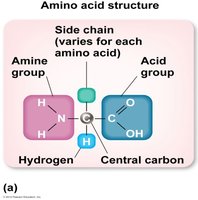
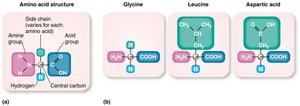
Amino Acid Structure: Each amino acid consists of a central carbon atom bonded to a hydrogen atom, an amine group (NH2), an acid group (COOH), and a unique side chain (R-group) that differentiates one amino acid from another.
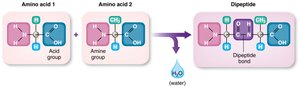
Peptide Bond: Amino acids are linked together by peptide bonds, which must be broken during digestion.
Essential Amino Acids: Nine out of twenty amino acids cannot be synthesized by the human body and must be obtained from food.
Nonessential Amino Acids: These can be synthesized by the body.
Protein Synthesis
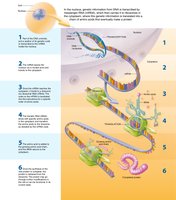
Protein synthesis is the process by which cells build proteins based on genetic instructions. It involves two main steps:
Transcription: Genetic information from DNA is copied to messenger RNA (mRNA).
Translation: mRNA is used as a template to assemble amino acids in the correct sequence at the ribosome, forming a protein.
Levels of Protein Structure
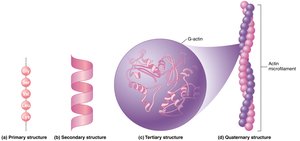
The function of a protein is determined by its structure, which has four hierarchical levels:
Primary Structure: The sequence of amino acids.
Secondary Structure: Local folding into alpha helices or beta sheets due to hydrogen bonding.
Tertiary Structure: Further folding into a three-dimensional shape.
Quaternary Structure: Association of multiple polypeptide chains.
Denaturation of Proteins
Denaturation is the process by which proteins lose their three-dimensional structure due to external stress such as heat, acids, bases, heavy metals, or alcohol. This results in loss of function, but peptide bonds are not broken.
Protein Shape Determines Function
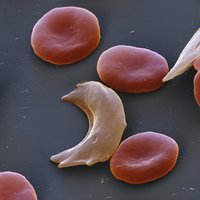
The specific shape of a protein is crucial for its function. For example, the globular shape of normal red blood cell proteins allows flexibility, while sickle-shaped cells (due to abnormal protein structure) cannot pass through small blood vessels, leading to disease.
Functions of Proteins
Proteins perform a wide range of functions in the body:
Cell growth, repair, and maintenance
Energy source: 4 kcal/gram (secondary role)
Hormones and enzymes
pH balance
Antibodies for immunity
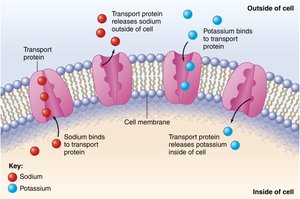
Transport and storage of nutrients
Fluid and electrolyte balance
Structural compounds: fibrin, collagen
Role of Proteins in Fluid Balance
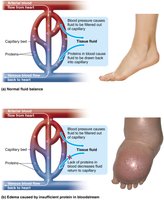
Proteins help maintain fluid balance by attracting water and regulating its movement between blood and tissues. Insufficient protein can lead to edema, where fluid accumulates in tissues.
Protein Digestion, Absorption, and Metabolism
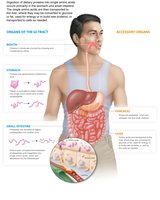
Protein digestibility affects its quality. Animal proteins and soy are highly digestible, while plant proteins are less so. Digestion involves breaking down proteins into amino acids, which are absorbed and transported to the liver for further metabolism.
Mouth: Mechanical breakdown
Stomach: Denaturation by acid, peptide bonds broken by pepsin
Small Intestine: Proteases digest polypeptides; absorption as amino acids, dipeptides, tripeptides
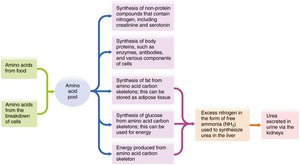
Liver: Amino acids converted to glucose, fat, or new proteins; excess nitrogen excreted as urea
Amino Acid Metabolism: Transamination and Deamination
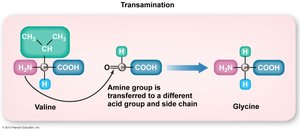
Transamination is the transfer of an amine group to form new amino acids, requiring vitamin B6. Deamination is the removal of the amine group for energy production or gluconeogenesis, with nitrogen excreted as urea.
Vitamin B6
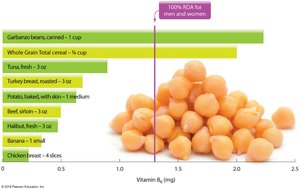
Vitamin B6 is a water-soluble vitamin essential for amino acid and carbohydrate metabolism, and blood cell synthesis. Deficiency can cause anemia, convulsions, depression, and confusion. Good sources include meat, fish, potatoes, chickpeas, and whole grains.
Protein Requirements and Nitrogen Balance
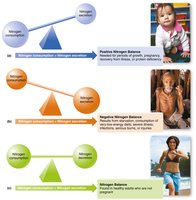
Nitrogen balance reflects the relationship between protein intake and excretion. Positive balance is needed for growth, pregnancy, and recovery; negative balance occurs with illness or inadequate intake. Protein requirements are calculated based on body weight and activity level.
Recommended intake: 1.2–1.6 g/kg body weight/day
AMDR: 10–35% of total energy intake
Complete and Incomplete Proteins
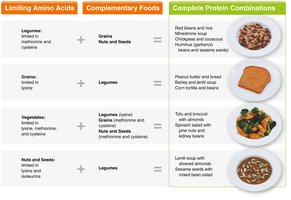
Complete proteins contain all essential amino acids in sufficient quantities (high-quality), while incomplete proteins lack one or more essential amino acids (low-quality). Mutual supplementation combines incomplete proteins to form a complete protein.
Protein Content of Foods
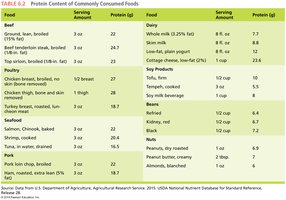
Different foods provide varying amounts of protein. Animal sources, soy, and legumes are rich in protein, while grains and vegetables provide less.
Vegetarian Diets: Types, Benefits, and Challenges
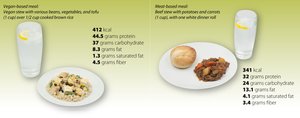
Vegetarianism involves restricting the diet to plant-based foods. Types include vegan, lacto-vegetarian, ovo-vegetarian, and lacto-ovo vegetarian. Benefits include lower fat intake, reduced risk of heart disease, high fiber, and lower risk of certain cancers. Challenges include potential deficiencies in iron, calcium, zinc, vitamin D, and B12.
Disorders Related to Protein Intake
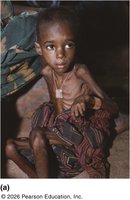
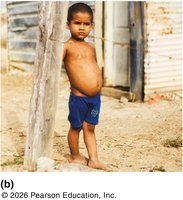
Protein-energy malnutrition results from inadequate protein and energy intake. Two serious forms are:
Marasmus: Severe deficiency of protein and energy, leading to stunted growth, tissue wasting, and weakened immunity.
Kwashiorkor: Severe protein deficiency, often seen in children, causing edema, muscle wasting, and retarded growth.
Protein and Amino Acid Supplements
Whole foods are preferred over supplements for protein intake, as they provide additional nutrients. Supplements may be useful for certain groups but are not necessary for muscle gain if energy and protein intake are adequate. High protein diets may increase risk of kidney disease, heart disease, and colon cancer, especially with excessive intake of animal proteins.
Summary
Proteins are essential for structure, function, and metabolism in the human body.
Protein quality depends on amino acid composition and digestibility.
Vegetarian diets offer health benefits but require careful planning to avoid deficiencies.
Protein-energy malnutrition can have severe health consequences.
