 Back
BackRegulation of Energy Intake: Hunger, Satiety, and Influences on Eating Behavior
Study Guide - Smart Notes
 Tailored notes based on your materials, expanded with key definitions, examples, and context.
Regulation of Energy Intake
Overview
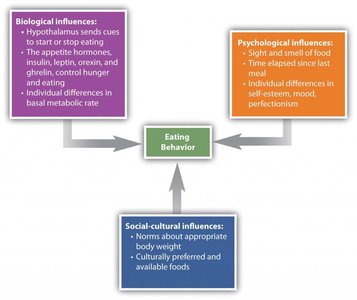
The regulation of energy intake is a complex process involving biological, psychological, and social-cultural factors. Understanding these influences is essential for nutrition students, as they underpin the mechanisms of hunger, satiety, and eating behavior, which are central to energy balance and body weight regulation.
Biological Regulation of Hunger and Satiety
Neural and Hormonal Control
Biological determinants of eating behavior are primarily governed by the nervous and hormonal systems. The hypothalamus, a region in the brain, is the main control center for hunger and satiety, receiving signals from the body and the digestive system.
Hypothalamus: The lateral hypothalamus triggers eating, while the ventromedial hypothalamus signals fullness.
Vagus Nerve: Communicates between the brain and the gastrointestinal (GI) tract, transmitting information about fullness and nutrient composition.
Hormonal Signals: Various hormones regulate hunger and satiety:
Ghrelin: Secreted by the stomach when empty; increases hunger.
Cholecystokinin (CCK): Released from the upper small intestine in response to fat and protein; decreases hunger.
Insulin: Released from the pancreas when blood glucose rises; decreases hunger.
Peptide YY (PYY): Released by the colon in response to fat and protein; decreases hunger.
Leptin: Produced by adipose tissue in response to increased fat stores; increases satiety.
Example: Mice lacking leptin exhibit excessive food consumption and obesity, demonstrating the hormone's role in satiety.
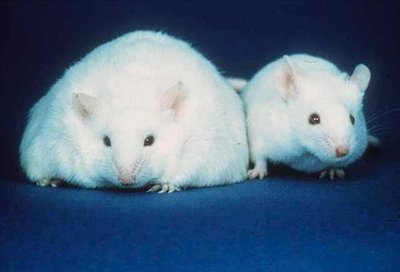
Table: Hormonal Regulators of Hunger and Satiety
Hormone | Secreted From | Stimulus for Secretion | Effect |
|---|---|---|---|
Ghrelin | Stomach | Empty stomach | Increases hunger |
Cholecystokinin (CCK) | Upper small intestine | Fat or protein entering small intestine | Decreases hunger |
Insulin | Pancreas | Rise in blood glucose | Decreases hunger |
Peptide YY (PYY) | Colon | Presence of fat and protein in food | Decreases hunger |
Leptin | Adipose tissue | Increased fat stored in body | Increases satiety |
Genetic Influences on Energy Intake
Role of Genes in Body Mass and Eating Behavior
Genetics play a significant role in determining body mass, composition, and food intake. Twin and adoption studies show that genetic factors can account for up to 70% of obesity risk. Specific genes, such as those for leptin and its receptor, have been identified, but the interaction between genes and environment is complex.
Obesity Genes: Rare defects in leptin or leptin receptor genes can cause obesity.
Evolutionary Perspective: Genes favoring fat storage were advantageous in environments with inconsistent food supply.
Psychological and Behavioral Influences
Impact of Mood, Habits, and Sensory Cues
Psychological factors, such as mood, emotions, and sensory cues, significantly affect eating behavior. Habits and behaviors, including portion size and eating speed, are linked to food intake and obesity risk.
Sensory Cues: Pleasant smells and tastes can stimulate appetite.
Emotional Factors: Depression, low self-esteem, and emotional trauma can alter food intake.
Behavioral Habits: Large serving sizes, frequent snacking, and high screen time are associated with increased food intake.
Example: Studies show that behaviors at buffets, such as using larger plates or eating quickly, correlate with higher obesity risk.
Societal and Cultural Influences
Environmental and Social Factors
Societal influences, including portion sizes, food availability, and cultural norms, shape eating behavior. The rise of fast food and calorie-dense diets has contributed to increased rates of overweight and obesity.
Portion Sizes: Dramatic increases in portion sizes over recent decades.
Fast Food Industry: High consumption of processed, calorie-dense foods with low nutritional value.
Cultural Shifts: Adoption of Western diets by various populations has led to increased obesity rates.
Tools for Change
Strategies for Healthier Eating
Consumers can influence the food industry by demanding healthier, nutrient-dense options. Simple actions, such as choosing low-calorie menu items and requesting more vegetables, can support positive change.
Requesting Healthier Options: Ask for extra vegetables and low-calorie choices at restaurants.
Supporting Nutrient-Dense Foods: Choose establishments that offer healthier menu items.
Consumer Awareness: Request nutrition information to encourage restaurants to prioritize nutrition.
Summary
The regulation of energy intake is multifactorial, involving biological, genetic, psychological, behavioral, and societal influences. Understanding these mechanisms is crucial for nutrition professionals seeking to address issues of energy balance, obesity, and healthy eating behaviors.
