 Back
BackThe Human Microbiome: Nutrition, Health, and Disease
Study Guide - Smart Notes
 Tailored notes based on your materials, expanded with key definitions, examples, and context.
The Human Microbiome
Introduction to the Microbiome
The human microbiome refers to the collective genomes of the microorganisms (bacteria, viruses, fungi, and yeasts) that inhabit the human body. These microbes reside on the skin, in the mouth, intestines, and other body sites, forming unique communities that play essential roles in health and disease.
Microbiota: The community of microorganisms living in and on the human body.
Microbiome: The total genetic material of the microbiota.
Humans host trillions of microbes, with the number of microbial cells roughly equal to human cells.
Microbes contribute to digestion, immune function, and protection against pathogens.
Symbiotic Relationships
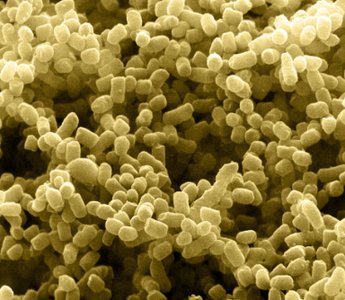
Humans and their microbiota exist in a symbiotic relationship, where both parties benefit. The human body provides a habitat and nutrients, while microbes assist in digestion, immune modulation, and protection from harmful organisms.
Symbiosis can be mutualistic (both benefit), commensal (one benefits, the other is unaffected), or parasitic (one benefits at the other's expense).
Disruption of this balance can lead to disease.

Development and Variation of the Microbiome
Establishment of the Microbiome
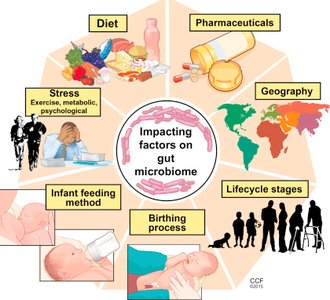
The microbiome begins to develop at birth and is influenced by the mode of delivery, feeding practices, and environmental exposures. Vaginally delivered infants are exposed to maternal vaginal and intestinal microbes, while cesarean-delivered infants acquire microbes from the environment.
Breastfeeding introduces beneficial bacteria and oligosaccharides that promote healthy microbial colonization.
Formula feeding leads to different microbial communities compared to breastfeeding.


Factors Influencing Microbiome Composition
Microbiome composition is dynamic and influenced by diet, environment, medications, and lifestyle. Urban and rural environments, plant-based versus animal-based diets, and exposure to antibiotics all shape the microbial community.
Diverse diets promote a diverse microbiome, which is associated with better health outcomes.
Broad-spectrum antibiotics can disrupt microbial balance, sometimes leading to disease.
Microbiome in the Human Body
Oral Microbiome
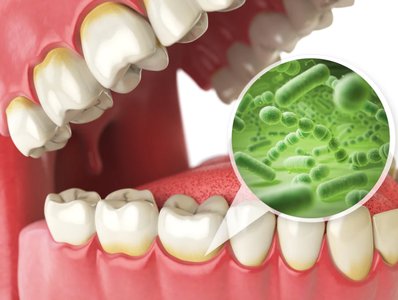
The mouth hosts a complex microbial community that is influenced by diet, hygiene, and lifestyle factors such as smoking. Most oral microbes are harmless, but imbalances can lead to dental diseases.
Oral hygiene and dietary choices can rapidly alter the composition of oral bacteria.
Gut Microbiota
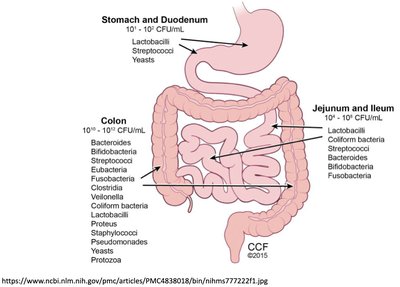
The gastrointestinal tract contains the largest and most diverse microbial community in the body. Different regions of the gut harbor distinct populations of bacteria, which play critical roles in digestion, metabolism, and immune regulation.
Major bacterial phyla include Firmicutes and Bacteroidetes.
Gut microbes ferment dietary fiber to produce short-chain fatty acids (SCFAs), which nourish intestinal cells and modulate inflammation.
Gut microbiota can change rapidly in response to diet, illness, and medication.
Microbiome, Nutrition, and Health
Microbial Contributions to Nutrition
Gut microbes assist in the digestion of complex carbohydrates, produce vitamins (such as some B vitamins), and generate hormones that regulate hunger and appetite. They also prevent pathogen colonization by competing for resources and lowering gut pH through fermentation.
Microbes provide 6-10% of our daily energy needs through fermentation products.
SCFAs produced by fermentation serve as energy sources for colon cells and have anti-inflammatory effects.
Diet and Microbiome Diversity
Diet is a major determinant of microbiome diversity and function. Plant-based diets rich in fiber support a more diverse and beneficial microbiome, while animal-based diets and processed foods can reduce diversity and promote less favorable microbial profiles.
Malnutrition and disease can disrupt the microbiome, leading to further health complications.
Environmental and Lifestyle Factors
Exposure to different environments (urban vs. rural), interaction with animals, and use of antibacterial products all influence the microbiome. Rural environments and contact with animals are associated with greater microbial diversity.
Microbiome and Disease
Cesarean Delivery and Disease Risk
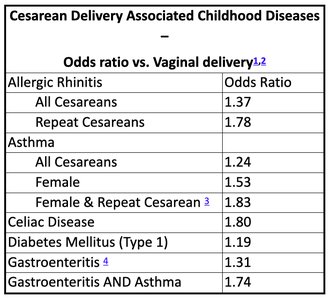
Cesarean section delivery is associated with altered microbiome development and increased risk of certain childhood diseases, including allergies, asthma, celiac disease, and type 1 diabetes. This is likely due to reduced exposure to maternal microbes during birth.
Disease | Odds Ratio (C-section vs. Vaginal) |
|---|---|
Allergic Rhinitis | 1.37 (all), 1.78 (repeat) |
Asthma | 1.24 (all), 1.53 (female), 1.83 (female & repeat) |
Celiac Disease | 1.80 |
Type 1 Diabetes | 1.19 |
Gastroenteritis | 1.31 |
Gastroenteritis & Asthma | 1.74 |
Obesity and Microbiome Structure
Obesity is associated with changes in the gut microbiome, particularly an increased ratio of Firmicutes to Bacteroidetes. Studies in mice and humans show that these changes can influence energy harvest from the diet and fat storage.
Transplanting microbiota from obese individuals into germ-free mice increases body fat in the recipients.

Fecal Microbiota Transplantation (FMT)
FMT is a therapeutic procedure where fecal material from a healthy donor is transplanted into a patient to restore healthy gut microbiota. It is most commonly used to treat recurrent Clostridium difficile infection, which often follows antibiotic-induced disruption of the microbiome.
FMT can restore microbial diversity and resolve severe diarrhea.
Probiotics and Prebiotics
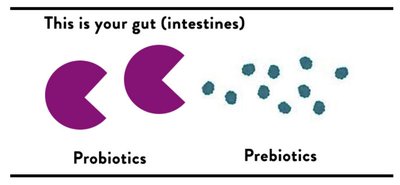
Probiotics are live beneficial bacteria that can be consumed to support gut health, while prebiotics are non-digestible food components (often fibers) that promote the growth of beneficial microbes.
Common probiotic genera include Lactobacillus and Bifidobacterium.
Prebiotics include inulin, fructooligosaccharides, and galactooligosaccharides.
Maintaining a Healthy Microbiome
Strategies for Microbiome Health
Maintaining a healthy microbiome involves dietary and lifestyle choices that promote microbial diversity and balance.
Eat a variety of fiber-rich fruits and vegetables.
Interact with pets and spend time outdoors.
Avoid unnecessary use of antibacterial products and broad-spectrum antibiotics.
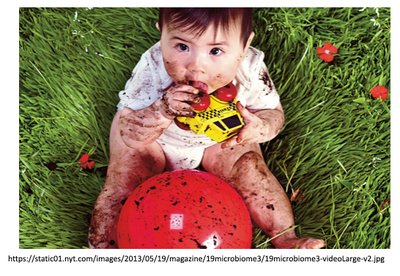
Allow children to play in natural environments to support immune and microbiome development.
Summary Table: Key Microbiome Concepts
Factor | Effect on Microbiome |
|---|---|
Diet (fiber-rich) | Increases diversity, supports SCFA production |
Antibiotics | Can disrupt balance, reduce diversity |
Birth mode | Vaginal birth promotes maternal microbe transfer |
Breastfeeding | Promotes beneficial bacteria |
Environment | Rural/animal exposure increases diversity |
Key Terms and Concepts
Microbiota: The community of microorganisms living in a particular environment, such as the human gut.
Microbiome: The collective genomes of the microbiota.
Symbiosis: A close and long-term biological interaction between two different biological organisms.
Short-chain fatty acids (SCFAs): Fatty acids produced by microbial fermentation of dietary fiber, important for gut health.
Probiotics: Live microorganisms that, when administered in adequate amounts, confer a health benefit on the host.
Prebiotics: Substances that induce the growth or activity of beneficial microorganisms.
Fecal Microbiota Transplantation (FMT): The transfer of stool from a healthy donor to the gastrointestinal tract of a patient.
