 Back
BackUltra-Processed Foods: Nutrition, Health Effects, and Dietary Guidelines
Study Guide - Smart Notes
 Tailored notes based on your materials, expanded with key definitions, examples, and context.
Ultra-Processed Foods (UPF)
Definition and Prevalence
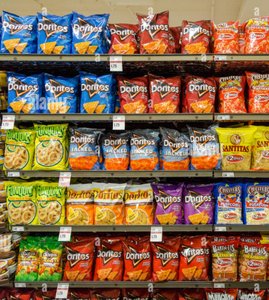
Ultra-processed foods (UPF) are a major component of the modern food supply, accounting for a significant proportion of both children's and adults' diets. Understanding their characteristics and prevalence is essential for nutrition students.
Definition: UPFs are foods that have undergone extensive processing and contain added sugars, fats, salts, artificial colors, and preservatives.
Prevalence: Approximately 70% of the food supply, 66% of children's diets, and 60% of adult diets consist of UPFs.
Characteristics: UPFs are often made from substances extracted from foods, such as fats, starches, and sugars, and lack intact vitamins and nutrients.
Comparison: Whole Foods vs. Ultra-Processed Foods
The distinction between whole foods and UPFs is fundamental in nutrition science.
Whole Foods: Unprocessed or minimally processed foods retain their natural state and nutrient content.
UPFs: Highly processed, engineered for palatability, often lack fiber, and contain cheap ingredients.

Examples of Ultra-Processed Foods
UPFs include a wide range of products commonly found in supermarkets.
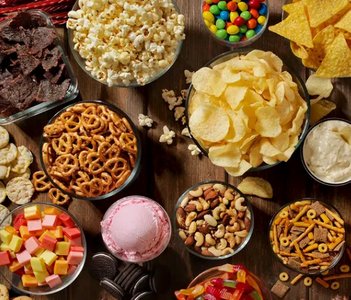
Snack Foods: Chips, crackers, candy, and packaged baked goods.
Convenience Foods: Lunchables, processed cheese spreads, and ready-to-eat meals.
Ingredients: Often contain refined grains, added sugars, artificial sweeteners, and preservatives.



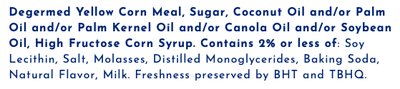
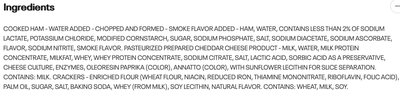


Health Effects of Ultra-Processed Foods
Associations with Chronic Diseases
Recent scientific studies have linked UPF consumption to a variety of adverse health outcomes.
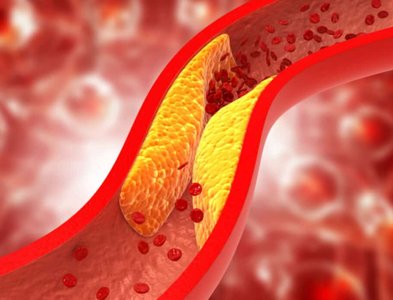
Cardiovascular Disease: UPFs are associated with higher risks due to excess calories, unhealthy fats, and high sodium.
Diabetes: Increased risk due to refined grains, added sugars, and poor glycemic response.
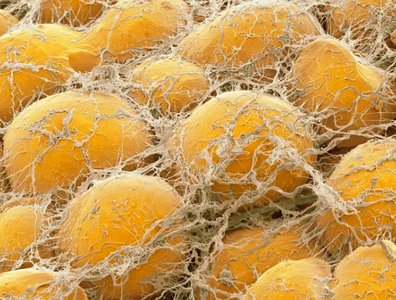
Obesity: UPFs contribute to excess calorie intake and poor nutrient density.
Cancer: Higher risk of mouth, throat, esophagus, and colorectal cancers.
Mental Disorders: Linked to depression, anxiety, and cognitive decline.
Sleep Disorders: Associated with high fat and sugar content.
Premature Death: UPF consumption is linked to increased mortality from all causes.

Mechanisms of Unhealthiness
The unhealthy nature of UPFs can be explained by their nutritional composition and processing methods.
Excess Calories: UPFs are energy-dense, leading to overconsumption.
Unhealthy Fats: High in saturated and trans fats, which raise LDL cholesterol.
Added Sugars: Contribute to poor glycemic control and increased risk of diabetes.
High Sodium: Increases risk of hypertension and cardiovascular disease.
Lack of Fiber: Negatively affects gut microbiome and satiety.
Loss of Nutrients: Processing removes micronutrients and phytochemicals.
Added Chemicals: Artificial sweeteners, preservatives, and packaging chemicals may have adverse health effects.

Summary Table: UPF and Health Risks
Health Outcome | Risk Increase | Main UPF Factors |
|---|---|---|
Cardiovascular Disease | 50% Greater Risk | Excess calories, unhealthy fats, added sugars, high sodium |
Obesity | 55% Greater Risk | Excess calories, added sugars |
Diabetes | 40% Greater Risk | Excess calories, added sugars, glycemic response |
Sleep Problems | 40% Greater Risk | Excess calories, high fat, added sugars |
Depression | 20% Greater Risk | Artificial sweeteners in foods and beverages |
Anxiety | 53% Greater Risk | UPF consumption and mental health |
Death by Any Cause | 20% Greater Risk | UPF linked to communicable diseases |
Nutrition Science: Mechanisms and Hypotheses
Energy and Macronutrients
UPFs impact energy balance and macronutrient intake, contributing to obesity and metabolic disorders.
Refined Grains: Lack fiber and cause rapid glycemic response.
Added Sugars: Increase energy intake and risk of diabetes.
Unhealthy Fats: Saturated and trans fats raise LDL cholesterol and risk of heart disease.
Protein Quality: Often low or altered in UPFs.
Micronutrients and Phytochemicals
Processing often removes essential micronutrients and phytochemicals, reducing the nutrient density of UPFs.
Micronutrient Loss: Vitamins and minerals are depleted during processing.
Phytochemicals: Beneficial plant compounds are often absent in UPFs.
Added Chemicals and Preservatives
UPFs contain various additives that may have negative health effects.
Artificial Sweeteners: Used to replace sugar but may impact metabolism and gut health.
Preservatives: Extend shelf life but may have adverse effects.
Packaging Chemicals: Can leach into food and affect health.
Intervention Trials and Causation
Establishing Causation
Nutrition science uses intervention trials to determine the causal effects of UPF consumption.
Randomized Controlled Trials: Subjects are assigned to diets with varying UPF content and health outcomes are measured.
Ethical Considerations: It is unethical to intentionally expose healthy individuals to high UPF diets; instead, studies often substitute whole foods for UPFs.
Dietary Guidelines and Health Warnings
Policy and Regulation
There is increasing discussion about regulating UPFs and including health warnings.
Dietary Guidelines: Anticipated updates may specifically address UPF consumption.
Industry Influence: Food companies lobby against stricter guidelines.
Health Warnings: Similar to tobacco, UPFs may require warnings due to their health risks.
Healthier Alternatives and Practical Recommendations
Choosing Whole Foods
Nutrition students should understand the benefits of whole foods and strategies to limit UPF intake.
Whole Grain Toast: Provides fiber, vitamins, minerals, and phytochemicals.
Peanut Butter: Offers healthy fats and high-quality protein for vegetarians.
Fresh Fruit: Supplies real flavors and whole food nutrition.
Limiting UPFs: Reduce intake of processed foods, added sugars, salt, and fat.
Summary Table: Whole Foods vs. UPFs
Whole Foods | Ultra-Processed Foods |
|---|---|
Intact nutrients | Added sugars, fats, salt |
High fiber | Lack of fiber |
Rich in vitamins and minerals | Loss of micronutrients |
Contains phytochemicals | Artificial additives |
Natural flavors | Engineered palatability |
References
British Medical Journal (BMJ): Ultra-processed food exposure and adverse health outcomes, umbrella review of epidemiological meta-analyses.


Conclusion
Ultra-processed foods are a dominant part of the modern diet and are linked to numerous health risks. Nutrition students should understand the mechanisms by which UPFs impact health, the importance of whole foods, and the role of dietary guidelines in promoting healthful eating. Key Takeaway: Limiting UPF intake and choosing whole foods is essential for optimal health and disease prevention.
