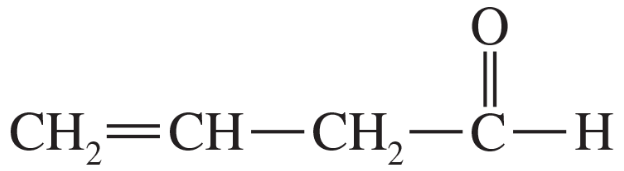
For each molecule shown below, 1. indicate the most acidic hydrogens. 2. draw the important resonance contributors of the anion that results from removal of the most acidic hydrogen. (h)
Verified step by step guidance
1
Step 1: Identify the most acidic hydrogen in the molecule. The most acidic hydrogen is typically attached to an atom that can stabilize the resulting negative charge after deprotonation. Look for hydrogens attached to electronegative atoms (e.g., oxygen, nitrogen) or hydrogens in positions where the resulting anion can be stabilized by resonance or inductive effects.
Step 2: Analyze the structure of the molecule to determine if resonance stabilization is possible. If the negative charge formed after deprotonation can be delocalized through resonance, this increases the acidity of the hydrogen. Highlight the resonance-stabilizing groups or atoms in the molecule.
Step 3: Draw the resonance contributors for the anion formed after the removal of the most acidic hydrogen. Use curved arrows to show the movement of electrons that lead to each resonance structure. Ensure that all resonance structures follow the rules of resonance (e.g., maintaining the correct number of valence electrons and proper formal charges).
Step 4: Evaluate the stability of the resonance contributors. The more stable the resonance structures (e.g., those with full octets, minimal formal charges, and negative charges on more electronegative atoms), the more acidic the hydrogen is likely to be.
Step 5: Summarize the findings by clearly indicating the most acidic hydrogen(s) in the molecule and presenting the important resonance contributors of the resulting anion. Ensure that the resonance structures are drawn clearly and labeled appropriately.
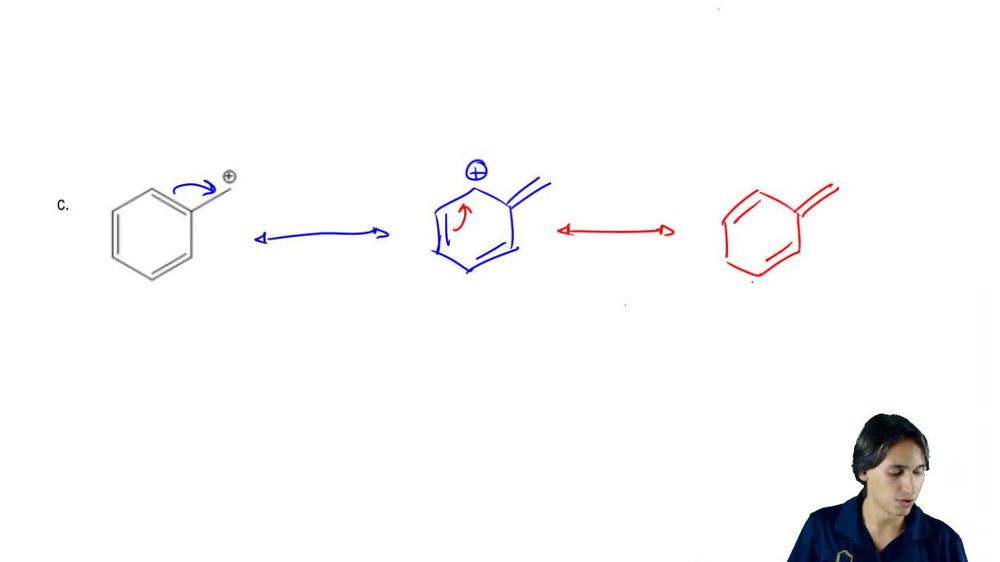
Verified video answer for a similar problem:
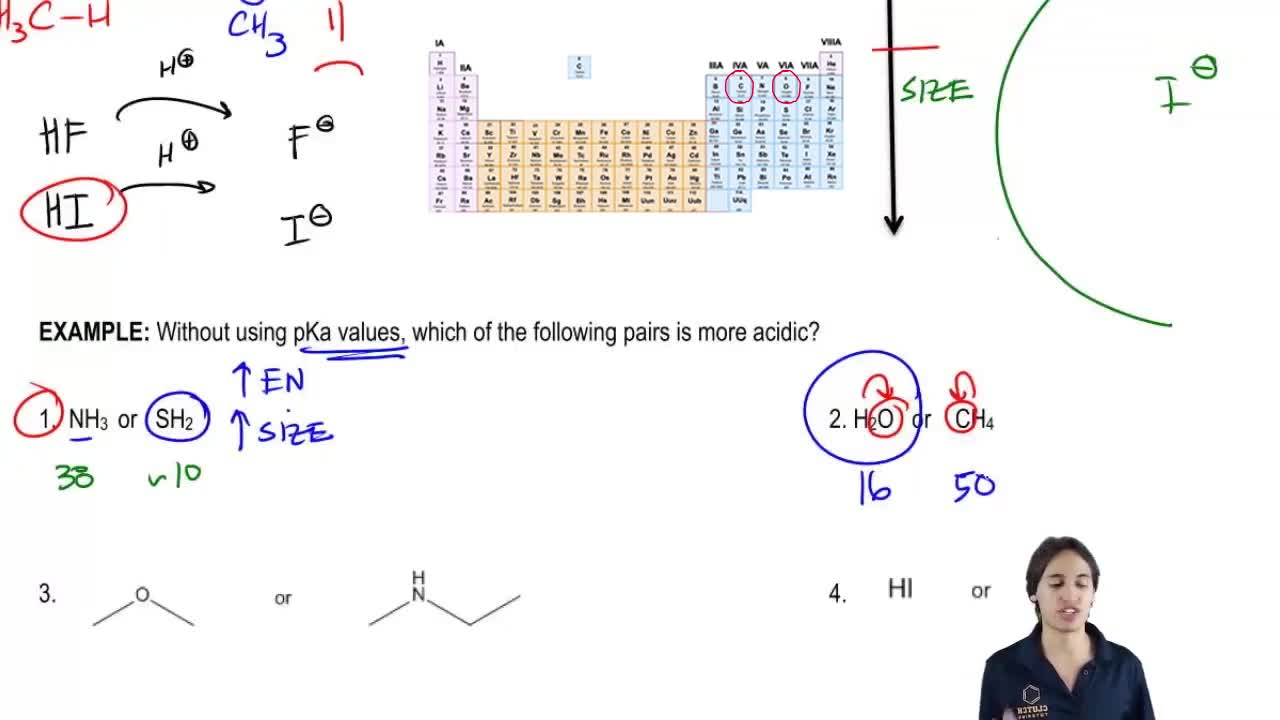
This video solution was recommended by our tutors as helpful for the problem above
Video duration:
5m
Play a video:
0 Comments
Key Concepts
Here are the essential concepts you must grasp in order to answer the question correctly.
Acidity and Acidic Hydrogens
Acidity in organic chemistry refers to the tendency of a compound to donate a proton (H+). The most acidic hydrogens are typically those attached to electronegative atoms or in positions that stabilize the resulting anion through resonance or inductive effects. Identifying these hydrogens is crucial for predicting the behavior of the molecule in reactions.
Resonance structures are different ways of drawing a molecule that illustrate the delocalization of electrons. When a hydrogen is removed, the resulting anion can often be represented by multiple resonance contributors, which help to stabilize the negative charge. Understanding how to draw these structures is essential for predicting the stability and reactivity of the anion.
The stability of an anion is influenced by factors such as charge distribution, electronegativity of atoms, and resonance. A more stable anion will be formed from the removal of the most acidic hydrogen, as it can better accommodate the negative charge. Analyzing the stability of the anion helps in understanding the overall acidity of the original molecule.