What alkene gives the product shown after reaction first with ozone and then with dimethyl sulfide? b.
Verified step by step guidance
1
Step 1: Understand the reaction mechanism. Ozonolysis is a reaction where an alkene reacts with ozone (O₃) to form an ozonide intermediate. This intermediate is then reduced by dimethyl sulfide (DMS) to yield carbonyl compounds (aldehydes or ketones). The product structure provided shows two ketones, indicating the cleavage of a double bond in the original alkene.
Step 2: Analyze the product structure. The product contains two ketones: one is part of a cyclohexanone ring, and the other is a ketone group attached to a cyclopentane ring. This suggests that the original alkene was part of a cyclic structure that was cleaved into these two fragments.
Step 3: Reconstruct the original alkene. To determine the alkene, reverse the ozonolysis process. Connect the two carbonyl carbons in the product structure with a double bond. This double bond represents the original alkene that underwent ozonolysis.
Step 4: Verify the connectivity. Ensure that the reconstructed alkene matches the product after ozonolysis and reduction. The double bond should be positioned such that cleavage yields the observed ketones.
Step 5: Draw the original alkene. Based on the analysis, the original alkene is a cyclic structure with a double bond connecting the two carbonyl carbons. This alkene would yield the given product after ozonolysis followed by reduction with dimethyl sulfide.
Verified video answer for a similar problem:
This video solution was recommended by our tutors as helpful for the problem above
Video duration:
5m
Play a video:
0 Comments
Key Concepts
Here are the essential concepts you must grasp in order to answer the question correctly.
Ozonolysis
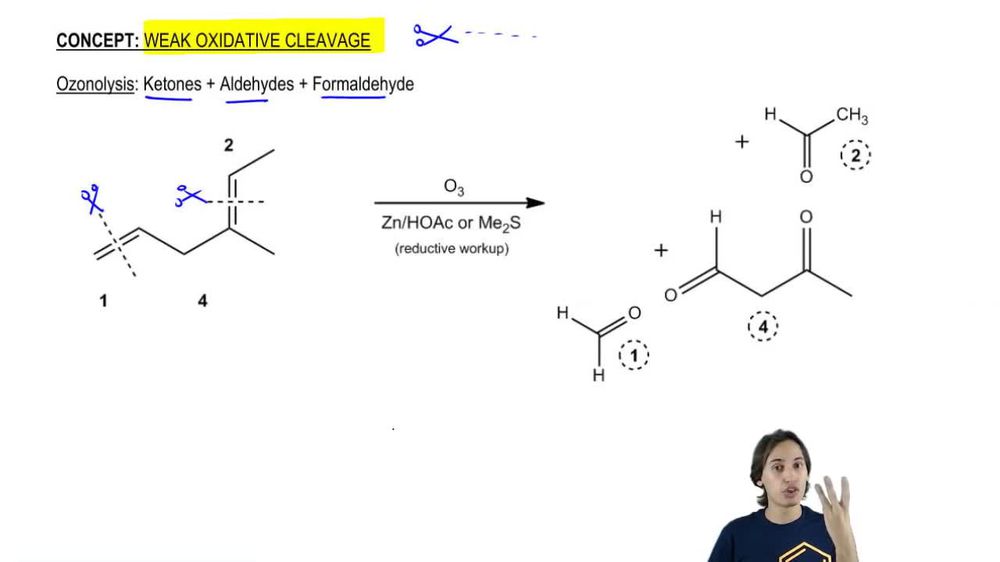
Ozonolysis is a reaction involving the cleavage of alkenes using ozone (O3) to form carbonyl compounds. The process typically occurs in two steps: first, the alkene reacts with ozone to form a molozonide, which rearranges to form ozonide. This ozonide is then reduced, often using a reagent like dimethyl sulfide (DMS), to yield aldehydes or ketones, depending on the structure of the original alkene.
Dimethyl sulfide is a common reducing agent used in organic chemistry, particularly in the reduction of ozonides formed during ozonolysis. DMS effectively converts the ozonide into stable carbonyl compounds, such as aldehydes or ketones, by donating electrons and facilitating the removal of the ozone-derived functional groups. Its use is favored due to its mildness and ability to produce fewer side products.
The structure of alkenes, characterized by a carbon-carbon double bond, significantly influences their reactivity in chemical reactions. The position and substitution of the double bond determine how the alkene will react with ozone and other reagents. Understanding the stereochemistry and the electronic effects of substituents on the alkene is crucial for predicting the products of ozonolysis and other reactions.

 5:47 minutes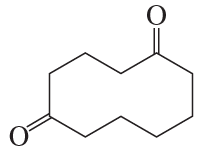
 Verified step by step guidance
 06:30
06:30