Identify the allylic carbon(s) in the following molecules. (b)
Verified step by step guidance
1
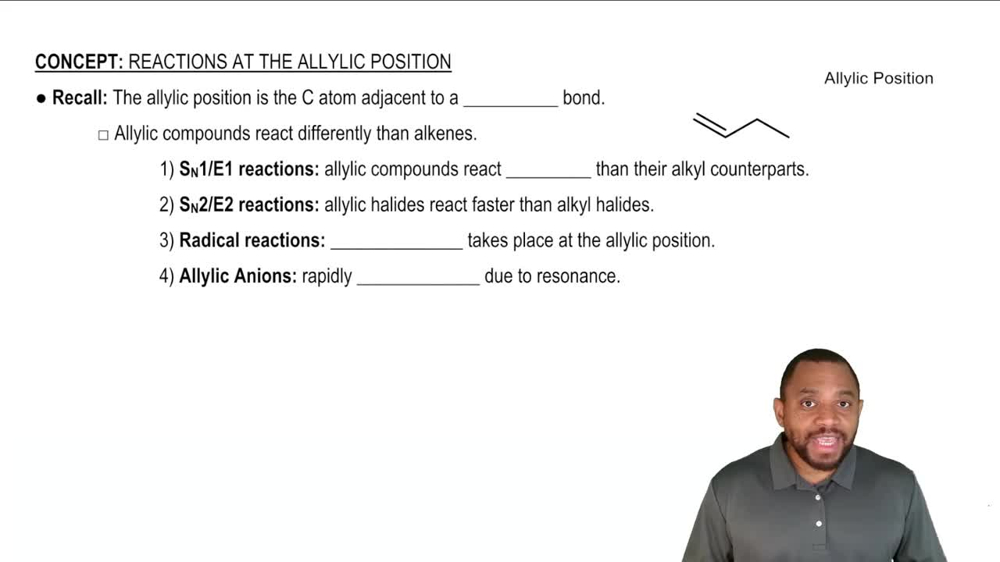
Step 1: Understand the concept of allylic carbons. Allylic carbons are the carbons directly adjacent to a carbon-carbon double bond. These carbons are bonded to the sp2-hybridized carbon of the double bond and are often involved in resonance stabilization.
Step 2: Locate the carbon-carbon double bond in the molecule. In the given structure, the double bond is present between two carbons in the central part of the molecule.
Step 3: Identify the carbons directly adjacent to the double bond. These are the carbons bonded to the sp2-hybridized carbons of the double bond. Look for single bonds connecting to the double-bonded carbons.
Step 4: Examine the structure carefully. The carbon on the left of the double bond and the carbon on the right of the double bond are both allylic carbons because they are directly adjacent to the double bond.
Step 5: Verify the substituents attached to the allylic carbons. The allylic carbon on the left has a methyl group attached, while the allylic carbon on the right has a bromine atom attached. This confirms their positions as allylic carbons.
Verified video answer for a similar problem:
This video solution was recommended by our tutors as helpful for the problem above
Video duration:
57s
Play a video:
0 Comments
Key Concepts
Here are the essential concepts you must grasp in order to answer the question correctly.
Allylic Carbons
Allylic carbons are the carbon atoms that are directly adjacent to a carbon-carbon double bond. In organic chemistry, these carbons are significant because they can participate in various reactions, such as allylic substitutions, due to their unique reactivity. Identifying allylic carbons is crucial for understanding reaction mechanisms and predicting the outcomes of chemical reactions.
The structural representation of molecules, such as Lewis structures or skeletal formulas, provides a visual way to understand the arrangement of atoms and bonds within a compound. This representation helps in identifying functional groups, stereochemistry, and specific carbon types, including allylic carbons. A clear understanding of these structures is essential for analyzing chemical behavior and reactivity.
The reactivity of allylic positions is a key concept in organic chemistry, as these positions can undergo various reactions, including nucleophilic substitutions and radical reactions. The presence of a double bond near the allylic carbon increases its reactivity due to the stability of the resulting intermediates. Understanding this reactivity is important for predicting how molecules will behave in chemical reactions.

 0:57 minutes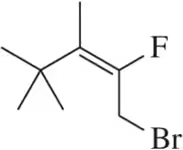
 Verified step by step guidance
 00:48
00:48