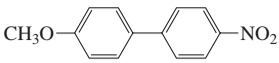
What products are obtained from the reaction of the following compounds with one equivalent of Br2, using FeBr3 as a catalyst? c. d.
Verified step by step guidance
1
Analyze the structure of the compound provided. The molecule consists of two aromatic rings connected by an ester functional group (-COO-). Aromatic rings are susceptible to electrophilic substitution reactions, such as bromination.
Understand the role of FeBr3 as a catalyst. FeBr3 is a Lewis acid that reacts with Br2 to generate the electrophile, Br+, which is necessary for the bromination reaction.
Determine the directing effects of substituents on the aromatic rings. The ester group (-COO-) is an electron-withdrawing group, which deactivates the aromatic ring it is directly attached to and directs substitution to the meta position relative to itself. The other aromatic ring is unsubstituted and will undergo bromination more readily.
Predict the site of bromination. The unsubstituted aromatic ring is more reactive and will likely undergo bromination at one of its positions. The aromatic ring attached to the ester group is less reactive due to the electron-withdrawing effect, but if bromination occurs, it will be at the meta position relative to the ester group.
Conclude the reaction mechanism. The Br+ electrophile generated by FeBr3 will attack the most reactive site on the molecule, leading to the formation of brominated products. The exact positions of bromination depend on the reactivity of the rings and the directing effects of the substituents.
Verified video answer for a similar problem:
This video solution was recommended by our tutors as helpful for the problem above
Video duration:
6m
Play a video:
0 Comments
Key Concepts
Here are the essential concepts you must grasp in order to answer the question correctly.
Electrophilic Aromatic Substitution (EAS)
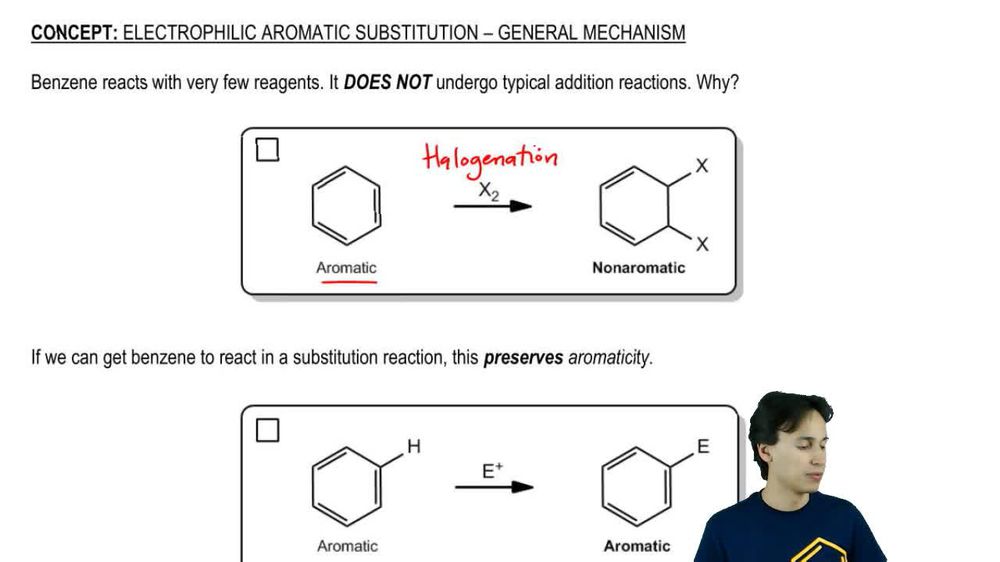
Electrophilic Aromatic Substitution is a fundamental reaction in organic chemistry where an electrophile replaces a hydrogen atom on an aromatic ring. This process is facilitated by the resonance stabilization of the aromatic system, allowing the ring to maintain its aromaticity after substitution. In this case, bromine (Br2) acts as the electrophile, and the presence of a catalyst like FeBr3 enhances the reaction by generating a more reactive bromonium ion.
Catalysts, such as FeBr3 in this reaction, are substances that increase the rate of a chemical reaction without being consumed in the process. In EAS, FeBr3 helps to generate a more electrophilic bromine species, facilitating the substitution reaction. The catalyst forms a complex with bromine, making it more reactive towards the aromatic compound, thus promoting the formation of the brominated product.
Regioselectivity refers to the preference of a chemical reaction to yield one structural isomer over others when multiple possibilities exist. In the context of EAS, the position where the electrophile substitutes on the aromatic ring can be influenced by the presence of substituents already on the ring. Electron-donating groups direct electrophiles to ortho and para positions, while electron-withdrawing groups direct them to the meta position, affecting the final product distribution.

 6:49 minutes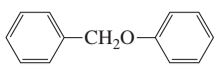
 Verified step by step guidance
 03:07
03:07