 Back
BackAffirming Nursing Practice for 2SLGBTQ+ Population - Class 17
Study Guide - Smart Notes
 Tailored notes based on your materials, expanded with key definitions, examples, and context.
Gender, Sex, and Sexuality: Foundational Concepts
Understanding Gender and Sex
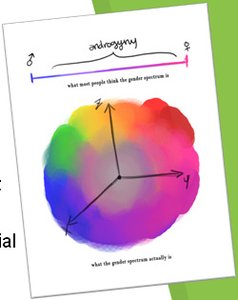
Gender and sex are distinct but often conflated concepts in health and society. Recognizing their differences is essential for providing affirming care and understanding health disparities among 2SLGBTQ+ populations.
Gender is a non-linear, non-binary, and fluid construct, shaped by social, cultural, and individual factors. It includes identity, expression, and roles, which can change across the lifespan.
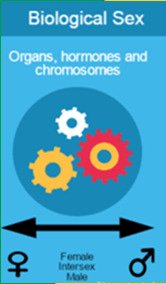
Sex refers to biological attributes assigned at birth, such as anatomy, chromosomes, and hormones. Categories include male, female, and intersex.
There is an intersection between gender and sexuality, but they are separate constructs.
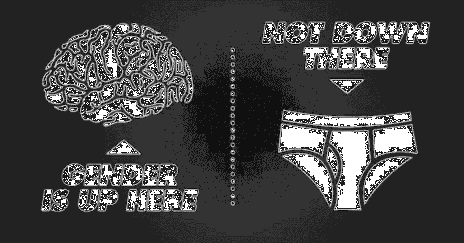
Body parts or genetics do not determine gender identity.
Diversity in gender is not pathological; it is a natural aspect of human variation.

Key Terms and Definitions
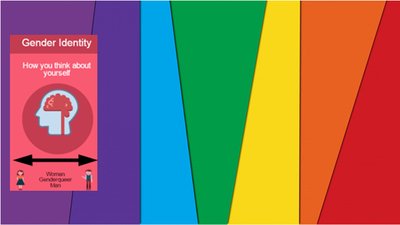
Gender Identity: Innermost sense of self as male, female, both, neither, or somewhere along the spectrum.
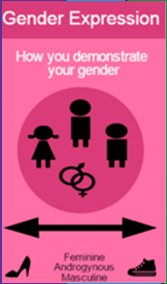
Gender Expression: External presentation of gender, through behavior, clothing, voice, etc.
Gender Perception/Attribution: How others interpret a person's gender based on external cues.
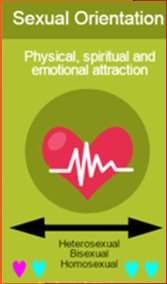
Sexual Orientation: Physical, romantic, and/or emotional attraction to others, which can be fluid over time.
Sexual Identity: How one labels their orientation (e.g., lesbian, gay, bisexual, pansexual, asexual, queer, two-spirit, questioning).
Intersex: Individuals whose biological characteristics do not fit typical definitions of male or female.
Cisgender: A person whose gender identity aligns with their sex assigned at birth.
Transgender: An umbrella term for people whose gender identity differs from societal expectations based on their assigned sex at birth.
Non-Binary: Identities outside the male/female binary.
Sexual Identity: Expanded Definitions
Lesbian: Female-identified people attracted to other female-identified people.
Gay: Male-identified people attracted to other male-identified people.
Bisexual: Attracted to both male- and female-identified people.
Pansexual: Attracted to people regardless of sex or gender.
Asexual: Experiences little or no sexual attraction.
Queer: An umbrella term for non-normative sexual and gender identities; may be offensive to some.
Two-Spirit: Indigenous term reflecting the interrelatedness of gender, sexuality, culture, and spirituality.
Questioning: The process of exploring one’s sexual orientation and/or gender identity.
Health Disparities and Minority Stress
Health Outcomes in 2SLGBTQ+ Populations
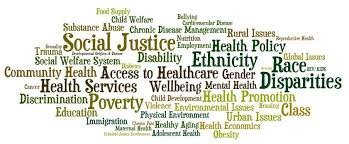
2SLGBTQ+ individuals experience unique health challenges due to social stigma, discrimination, and barriers to care.
Less likely to access preventive care.
Higher rates of depression, anxiety, and suicidality.
Increased rates of smoking, alcohol, and substance use.
Higher prevalence of sexually transmitted infections (STIs), especially among gay males.
Minority Stress Theory
Minority Stress: Chronic stress faced by stigmatized groups due to prejudice and discrimination.
Leads to negative health outcomes, including mental health challenges.
Resilience and Protective Factors
Community visibility and social capital can foster resilience.
Health policy improvements, especially in Canada, are increasing access to affirming care.
The Gender Spectrum
Beyond the Binary
Gender exists on a spectrum, with many identities beyond male and female. Understanding this diversity is crucial for inclusive health care.
Agender: No identification with any gender.
Genderfluid: Gender identity shifts over time.
Non-Binary: Rejects the male/female binary.
AFAB/AMAB: Assigned female/male at birth.
Key Dimensions of Identity
Gender Identity: Internal sense of self.
Gender Expression: Outward demonstration of gender.
Biological Sex: Physical and genetic characteristics.
Sexual Orientation: Who one is attracted to.
Gender Dysphoria
Gender dysphoria is the distress caused by a discrepancy between a person's gender identity and their assigned sex at birth. The focus is on the distress, not the identity itself.
Defined in the DSM-5-TR (2022).
Previously called "Gender Identity Disorder." The current approach emphasizes affirming identity and addressing distress.
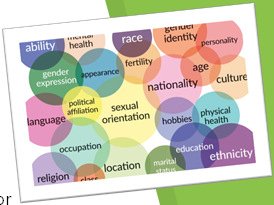
Intersectionality
Intersectionality describes how overlapping social identities (e.g., gender, race, class, sexuality) create unique experiences of privilege and oppression. Recognizing intersectionality is essential for holistic, person-centered care.
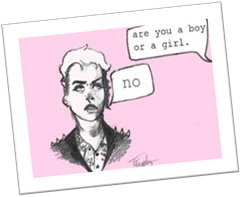
Barriers to Health: Transphobia and Discrimination
Transphobia and Its Effects
Transphobia: Fear or hatred of transgender people, leading to discrimination, violence, and poor mental health outcomes.
Trans people often face invisibility, minority stress, and internalized stigma.
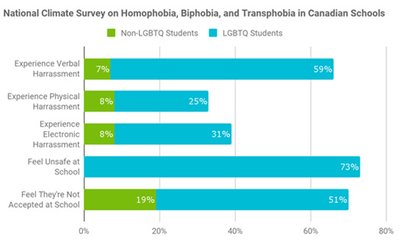
Survey Data: Discrimination in Health Care
Significant rates of harassment and violence against trans and non-binary Canadians.
Many avoid health care due to fear of discrimination.
High rates of verbal, physical, and sexual assault; avoidance of public spaces is common.
Gender Affirming Care (GAC)
Principles of Gender Affirming Care
Gender affirming care includes a range of interventions to support individuals whose gender identity does not align with their assigned sex at birth. Care is individualized and may include social, psychological, behavioral, and medical interventions.
Not all trans people seek medical or surgical transition.
Affirming care is not one-size-fits-all; what is affirming varies by individual.
Waiting for care can be harmful; timely access is important.
Access to GAC in Newfoundland and Labrador (NL)
Mental health support available through various local services.
Hormone therapy often covered by insurance and provincial drug plans.
Some surgeries now covered under MCP; pediatric endocrinologists prescribe puberty blockers and hormones for youth.
Voice therapy, legal name/gender marker changes, and surgical readiness assessments are available, though some barriers remain (e.g., travel, coverage, provider education).

Pronouns and Inclusive Language
Using Correct Pronouns
Respecting pronouns is a fundamental aspect of affirming care. It is important to ask and use the pronouns someone prefers, as misgendering can cause distress and invalidate identity.
If unsure, ask respectfully.
If you make a mistake, apologize and correct yourself without making it about you.
Microaggressions are everyday comments or questions that can be hurtful, even if not intended as such.
Common Pronouns Table
Gender | Subject | Object | Possessive |
|---|---|---|---|
Binary (Female) | She | Her | Her |
Binary (Male) | He | Him | His |
Neutral | They | Them | Their |
Neopronouns | Ze/Xe | Hir/Xyr | Hirs/Xyr |
Allyship and Creating Safe Spaces
How to Be an Ally
An ally is someone who supports and celebrates 2SLGBTQ+ identities, challenges discrimination, and reflects on their own biases. Allyship is active and ongoing.
Be supportive and a good listener.
Educate yourself on issues facing the community.
Challenge transphobia and misgendering.
Do not assume identity based on appearance or place labels on others.
Use inclusive honorifics (e.g., Mx) and ask about preferences.

Creating Safe and Inclusive Environments
Safe spaces in schools and health care settings are essential for the well-being of 2SLGBTQ+ individuals. Supportive environments reduce bullying and improve health outcomes.
Allow patients to self-identify and use their chosen names/pronouns.
Respond to anti-2SLGBTQ+ behavior and promote acceptance.
Post visible signs of support (e.g., ally or transgender flags).
Ensure privacy and respect in clinical spaces.

Resources for Further Support
Quadrangle (thequadnl.com)
Trans Support NL (tsnl.org)
WPATH Standards of Care (wpath.org)
TransCare BC (transcarebc.ca)
Rainbow Health Ontario (rainbowhealthontario.ca)
The Trevor Project: Guide to Being an Ally
Summary Table: Key Concepts
Concept | Definition |
|---|---|
Gender Identity | Internal sense of self as male, female, both, neither, or other |
Gender Expression | Outward demonstration of gender through appearance and behavior |
Biological Sex | Physical and genetic characteristics assigned at birth |
Sexual Orientation | Pattern of romantic, emotional, or sexual attraction |
Minority Stress | Chronic stress from stigma and discrimination |
Gender Affirming Care | Interventions supporting authentic gender identity |
Allyship | Active support and advocacy for 2SLGBTQ+ people |
