 Back
BackAlcohol: The Most Popular Drug – Effects, Risks, and Responsible Use
Study Guide - Smart Notes
 Tailored notes based on your materials, expanded with key definitions, examples, and context.
Alcohol: The Most Popular Drug
Introduction
Alcohol is one of the most widely used psychoactive substances globally. Understanding its effects, risks, and guidelines for responsible consumption is essential for personal and public health. This chapter explores the pharmacology of alcohol, its physiological and psychological impacts, and strategies for minimizing harm.
Absorption, Metabolism, and Excretion of Alcohol
Absorption
Absorption Rate: The speed at which alcohol is absorbed affects intoxication and behavioral impairment. Key factors include drinking speed, stomach emptying rate, food and drug presence, gender, and ethnicity.
Pathway: Small amounts are absorbed through the oral mucosa, 20% in the stomach, and 75% in the upper small intestine.
Metabolism and Excretion
Liver Metabolism: Most alcohol is metabolized in the liver, with a small amount in the stomach. Enzymes convert alcohol to acetaldehyde, then to acetate.
Individual Variation: Genetic differences in enzyme activity can cause varied reactions to alcohol.
Alcohol Intake and Blood Alcohol Concentration (BAC)
Blood Alcohol Concentration (BAC)
Definition: BAC is the ratio of alcohol in the blood relative to body weight.
Influencing Factors: Body weight, percent body fat, and biological sex affect BAC. Food can slow absorption.
Chronic Drinking: Increases the liver's metabolic rate for alcohol.
Acute Risk: Rapid, high intake can be fatal.
Immediate Effects of Alcohol
Low to Moderate BAC
BAC 0.03–0.05%: Produces relaxation and sociability.
High BAC
BAC 0.1%: Impaired motor function and drowsiness.
BAC 0.2%: Inability to function.
Alcohol Poisoning: Severe CNS depression, risk of cardiac arrest.
Hangover: Symptoms include headache, nausea, fatigue, and impaired cognition.
Alcohol and Driving
Leading Cause of Death: Alcohol-impaired driving is the top criminal cause of death in Canada, especially among young adults.
Legal Limits: BAC of 0.08% is the threshold for impaired driving charges; 0.05–0.08% is a warning range.
Risks: High BAC increases the likelihood of automobile crashes.
Chronic Effects of Alcohol Misuse
Digestive System: Chronic misuse can damage the liver, pancreas, and gastrointestinal tract.
Cardiovascular System: Increases risk of hypertension, arrhythmias, and heart disease.
Cancer: Associated with increased risk of several cancers (e.g., liver, breast, esophagus).
Brain Damage: Long-term misuse can cause cognitive deficits and neurological disorders.
Mortality: Chronic alcohol misuse increases overall risk of premature death.
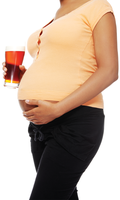
Alcohol Use During Pregnancy
Fetal Alcohol Spectrum Disorder (FASD): Includes a range of effects; the most severe is Fetal Alcohol Syndrome (FAS).
Neurodevelopmental Disorders: Alcohol-related neurodevelopmental disorder can occur even with lower exposures.
No Safe Limit: There is no safe amount of alcohol during pregnancy.
Protective Effects: The idea that moderate drinking is protective is not supported by current evidence.
Canada’s Low-Risk Alcohol Drinking Guidelines
Prevalence: 76% of Canadians drink alcohol; 84% among young adults (20–24).
Heavy Drinking: 25% report heavy drinking, highest among young adults.
Social Burden: Alcohol misuse leads to productivity losses, increased healthcare, and law enforcement costs.
2023 Guidelines
0 drinks: No risk.
1–2 standard drinks/week: Likely to avoid alcohol-related consequences.
3–6 standard drinks/week: Increased risk of cancer.
7+ standard drinks/week: Increased risk of heart disease or stroke.
Alcohol Use Disorder (AUD)
Definition: AUD ranges from mild to severe and affects all demographics.
Criteria: Includes consuming more than intended, unsuccessful attempts to cut down, craving, neglecting obligations, continued use despite problems, tolerance, and withdrawal symptoms.
Pattern: May involve cycles of exacerbation and remission; recovery is possible.
Binge Drinking
Definition: BAC of 0.08% or above; 5 drinks for men, 4 for women within two hours.
Prevalence: 17% of Canadians classified as heavy drinkers in 2020; most common among ages 18–49.
Consequences: Increased risk of academic, social, and health problems; higher likelihood of risky behaviors.
Severe Alcohol Use Disorder (Alcoholism)
Health Effects
Withdrawal: Symptoms include tremors, sweating, rapid pulse, insomnia, anxiety, seizures, and hallucinations.
Social and Psychological Effects
Comorbidity: Higher rates of depression, anxiety, and other mental health disorders; often co-occurs with other substance use disorders.
Causes and Treatment
Genetic Influence: Genetics may account for 50–60% of risk, but environment also plays a role.
Environmental Factors: Family violence, peer influence, and early heavy drinking increase risk.
Treatment: Options include self-recovery, crisis intervention, and formal treatment programs; no single approach works for all.
Helping Someone with an Alcohol Problem
Approach: Requires honesty, care, and elimination of enabling behaviors.
Limits: You cannot cure someone else’s drinking problem but can guide them to help.
Promoting Responsible Drinking
Encourage Responsibility: Foster responsible attitudes and behaviors around alcohol use.
Be a Responsible Host: Ensure safe environments for social drinking.
Community Action: Support policies and programs that reduce alcohol-related harm.
