 Back
BackAlcohol: The Most Popular Drug – Effects, Risks, and Responsible Use
Study Guide - Smart Notes
 Tailored notes based on your materials, expanded with key definitions, examples, and context.
Alcohol: The Most Popular Drug
Introduction
Alcohol is the most widely used recreational drug in many societies, including Canada. Understanding its effects, risks, and guidelines for responsible use is essential for personal and public health.
Absorption, Metabolism, and Excretion of Alcohol
Absorption
Absorption Rate: The speed at which alcohol is absorbed affects how quickly intoxication occurs and how rapidly behavior is impaired.
Key Factors: Rate of drinking, stomach emptying, presence of food or drugs, gender, and ethnicity.
Pathway: Small amounts are absorbed by the oral mucosa, 20% in the stomach, and 75% in the upper small intestine.
Metabolism and Excretion
Metabolism: Most alcohol is metabolized in the liver, where enzymes convert it to acetaldehyde and then to acetate.
Enzyme Variance: Genetic differences in enzyme activity can cause varied reactions to alcohol.
Excretion: A small amount is excreted unchanged in breath, sweat, and urine.
Alcohol Intake and Blood Alcohol Concentration (BAC)
Blood Alcohol Concentration (BAC)
Definition: The ratio of alcohol in the blood relative to body weight.
Influencing Factors: Body weight, percent body fat, biological sex, and food intake.
Chronic Drinking: Increases the liver's metabolic rate for alcohol.
Risks: Rapid consumption can be fatal due to alcohol poisoning.
Immediate and Long-Term Effects of Alcohol
Immediate Effects
Low BAC (.03–.05%): Relaxation and sociability.
Moderate BAC (.1%): Reduced motor function, drowsiness.
High BAC (.2%+): Inability to function, risk of alcohol poisoning (severe CNS depression).
Hangover: Symptoms include headache, nausea, fatigue, and impaired cognition.
Cardiac Risks: Increased heart rate and blood pressure, risk of cardiac arrest.
Long-Term Effects
Digestive System: Liver damage (cirrhosis), pancreatitis, gastritis.
Cardiovascular System: Hypertension, cardiomyopathy, arrhythmias.
Cancer: Increased risk of cancers (mouth, throat, liver, breast).
Brain Damage: Cognitive impairment, memory loss.
Mortality: Increased risk of premature death.
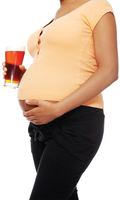
Alcohol Use During Pregnancy
Risks and Disorders
Fetal Alcohol Spectrum Disorder (FASD): Range of effects from prenatal alcohol exposure; most severe is Fetal Alcohol Syndrome (FAS).
Neurodevelopmental Disorders: Alcohol-related neurodevelopmental disorder (ARND) can cause lifelong cognitive and behavioral problems.
No Safe Limit: There is no safe amount of alcohol during pregnancy.
Myth: The idea that moderate drinking is protective is not supported by current evidence.
Alcohol Use and Canada’s Low-Risk Alcohol Drinking Guidelines
Prevalence and Social Impact
Prevalence: 76% of Canadians drink alcohol; 84% among young adults (20–24).
Heavy Drinking: 25% report heavy drinking, highest among young adults.
Social Burden: Alcohol misuse leads to productivity losses, increased healthcare and law enforcement costs.
2023 Low-Risk Guidelines
0 drinks: No risk.
1–2 standard drinks/week: Likely to avoid alcohol-related consequences.
3–6 standard drinks/week: Increased risk of cancer.
7+ standard drinks/week: Increased risk of heart disease or stroke.
Alcohol Use Disorder (AUD)
Definition and Criteria
Alcohol Use Disorder: A spectrum from mild to severe, characterized by problematic patterns of alcohol use.
Diagnostic Criteria:
Consuming more alcohol than intended
Unsuccessful attempts to cut down
Spending significant time obtaining, using, or recovering from alcohol
Craving alcohol
Failure to fulfill major obligations
Continued use despite social/interpersonal problems
Giving up important activities
Use in hazardous situations
Continued use despite physical/psychological problems
Tolerance and withdrawal symptoms
Binge Drinking
Definition and Consequences
Definition: Pattern that brings BAC to 0.08% or above (5 drinks for men, 4 for women in 2 hours).
Prevalence: 17% of Canadians classified as heavy drinkers in 2020; more common in males and ages 18–49.
Consequences: Increased risk of academic, social, and health problems; higher likelihood of risky behaviors (e.g., unprotected sex, drunk driving, injuries).
Severe Alcohol Use Disorder (Alcoholism)
Health, Social, and Psychological Effects
Withdrawal: Symptoms include trembling, sweating, rapid pulse, insomnia, anxiety, seizures, and hallucinations.
Psychological Effects: Higher rates of depression, anxiety, and other mental health disorders; often co-occurs with other substance abuse.
Causes: Genetic predisposition (50–60% heritability), environmental factors (e.g., family violence, peer influence), and early heavy drinking.
Treatment: Varies; some recover after a crisis, others need structured programs. No single treatment is universally effective.
Helping Someone with an Alcohol Problem
Approaches and Considerations
Support: Requires skill, honesty, and elimination of enabling behaviors.
Guidance: Encourage seeking professional help; friends cannot "cure" the problem alone.
Promoting Responsible Drinking
Strategies
Encourage Responsible Attitudes: Foster awareness of risks and safe drinking practices.
Be a Responsible Host: Provide non-alcoholic options and monitor guests' consumption.
Community Action: Support policies and programs that reduce alcohol-related harm.
