 Back
BackN1016 Introduction - Class 1
Study Guide - Smart Notes
 Tailored notes based on your materials, expanded with key definitions, examples, and context.
Introduction to Caring for the Older Adult
Nursing Concepts
The care of older adults is a specialized area within nursing, focusing on evidence-based practice, health care quality, and the role of health care organizations. Gerontological nursing has evolved from an illness-centered approach to a holistic focus, emphasizing the preservation of function, enhancement of health, and quality of life, including end-of-life care.
Evidence-Informed Practice: Utilizes the best available research to guide clinical decisions and improve outcomes.
Health Care Quality: Ensures safe, effective, and patient-centered care for older adults.
Health Care Organizations: Support research and practice standards in gerontology.
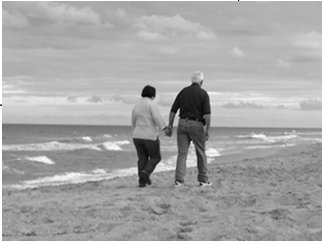
Gerontology and Gerontological Nursing
Why Study Gerontology?
Gerontology is the study of aging and older adults. It is distinct from geriatrics, which focuses on medical care for the elderly. Gerontological nursing addresses the holistic needs of older adults in various settings, including hospitals, homes, long-term care, and community centers.
Gerontological Nursing Roles: Required in diverse settings; mission is to preserve function, enhance health, and provide quality end-of-life care.
Evolution: Shift from illness to holistic care; increased research and specialized approaches.
Nursing Roles in Older Adult Care
Registered Nurse (RN) and Licensed Practical Nurse (LPN) Roles
Nurses play critical roles in caring for older adults, including leadership, decision-making, communication, and collaboration. RNs and LPNs work in long-term care, acute care, and community settings, often delegating tasks and assessing care quality.
RN: Leadership, high-level decision-making, interdisciplinary collaboration.
LPN: Leadership, decision-making, task delegation, reporting to RNs.
Gerontological Nursing & Aging: The Future
Challenges and Trends
The demand for gerontological nurses is increasing due to an aging population. Issues include adequate staffing, ageism, and the need for policies to address health, income, and long-term care globally. Baby boomers expect higher quality of life as they age.
Aging: Definitions and Categories
Understanding Aging
Aging begins at birth and is influenced by culture, society, history, and gender. In some cultures, older adults are valued for wisdom, while in others, aging is viewed negatively. Age categories help define population needs.
Young-old: 65–74 years
Middle-old: 75–84 years
Old-old: 85+ years
Centenarians: 100+ years
In Canada, 65 years is the typical marker for senior status and eligibility for pensions.
Demographics of Aging
Population Trends
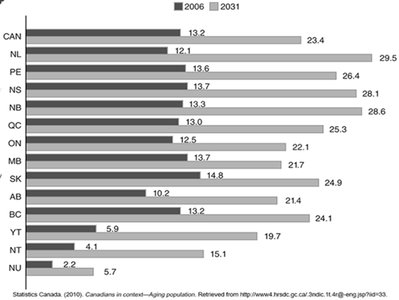
Demographics is the statistical study of population size and distribution, which informs health needs. The percentage of Canadians aged 65 and older is rising, with projections showing significant increases by 2031.
2015: 16.1% of Canadians 65+
2031: Approx. 25% of Canadians 65+
Societal Factors Influencing Aging
Issues and Considerations
Factors such as caregiving, housing, health care, and income support are critical for older adults. Societal influences include gender, diversity, economics, health services, and global aging trends.
Reasons for Aging Trends
Key Factors
Increase in life expectancy
Decrease in fertility rate
Aging of baby boomers
Evidence-Informed Practice (EIP)
Definition and Importance
EIP is based on research from multiple healthcare disciplines, using the best available evidence to guide care and improve outcomes. It affects clinical decision-making and judgments.
Health Care Organizations in Gerontology
Canadian Organizations
Canadian Association of Gerontology (CAG)
Canadian Gerontological Nurses Association (CGNA): Sets competencies and standards of practice.
CGNA Standards of Practice
Competencies
Relational Care
Ethical Care
Evidence-Informed Care
Aesthetic / Artful Care
Safe Care
Socio-politically Engaged Care
Healthy Aging
Definition and Dimensions
Healthy aging involves achieving the highest level of function within one's capability, considering physical, mental, social, and spiritual dimensions. Holistic healthcare supports quality of life for older adults.
Growth Potential: Crisis as a Challenge
Interventions for Healthy Aging
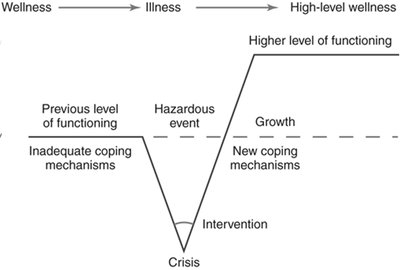
Crises can be opportunities for growth if interventions help individuals develop new coping mechanisms, leading to higher levels of functioning and wellness.
Previous level of functioning
Hazardous event leads to crisis
Intervention enables growth and new coping mechanisms
Determinants of Health
Factors Influencing Health
Health is influenced by multiple determinants, which are interrelated and impact individuals throughout life. Nurses must consider these when planning care for older adults.
Income and social status
Social support networks
Education and literacy
Employment and working conditions
Social and physical environments
Biology and genetics
Personal health practices and coping skills
Healthy child development
Health services
Gender and culture
Role of the Nurse in Promoting Healthy Aging
Strategies and Interventions
Nurses promote healthy aging by identifying strengths, discussing lifestyle modifications, reducing risk factors, improving function, and providing referrals. They must consider the impact of health determinants in care planning.
Ageism and Myths of Aging
Understanding Ageism
Ageism is stereotyping and discriminating against people because they are old. It contributes to prejudice and often stems from limited knowledge about older adults. Common myths include beliefs that depression, frailty, and dependency are inevitable, and that older adults should limit activity or lose interest in sex.
Health Accord (2022) Action Plan – Aging Population
Policy and Practice Initiatives
The Health Accord outlines actions to improve long-term care, support seniors aging at home, train support workers, and address ageism. It emphasizes integrated care, dignity, autonomy, and age-friendly communities.
Interventions for Healthy Aging
Examples and Applications
Physical activity and exercise
Social engagement and support
Access to health services
Safe environments and fall prevention
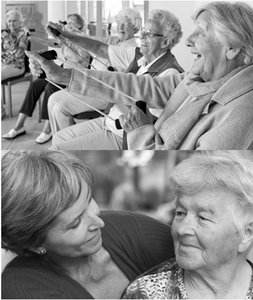
Example: Group exercise programs and social activities in long-term care facilities help promote physical and mental health among older adults.
Additional info: The notes expand on determinants of health and evidence-informed practice to provide a comprehensive overview suitable for personal-health college students.
