 Back
BackEnvironmental Determinants of Health: Structured Study Notes for Personal-Health College Students
Study Guide - Smart Notes
 Tailored notes based on your materials, expanded with key definitions, examples, and context.
Environmental Determinants of Health
Introduction
The environmental determinants of health encompass the physical, natural, built, and macro-environmental factors that influence individual and population health. Understanding these determinants is essential for evaluating health outcomes, health equity, and the effectiveness of interventions.
Applying a Critical Lens to Health Research
Critical Scholarship in Health
Critical scholarship involves questioning accepted knowledge and evaluating the quality and reliability of health research. Scholars should ask:
How do we know this to be true?
Are there other ways to understand this?
Whose knowledge is this?
How do I judge the quality of the evidence?
Critical appraisal is the systematic assessment of research to determine its trustworthiness, value, and relevance.
Measurement of Health Status
Health status is measured using indicators that allow for comparison across populations and regions. Common indicators include:
Life Expectancy at Birth: The average number of years a newborn is expected to live if current mortality trends continue.
Infant Mortality Rate: Number of deaths of infants under 1 year per 1000 live births.
Under-5 Mortality Rate: Probability that a child will die before age 5, per 1000 live births.
Maternal Mortality Ratio: Number of women who die due to pregnancy/childbirth complications per 100,000 live births.
Neonatal Mortality Rate: Deaths of infants under 28 days per 1000 live births.
Vital statistics (births and deaths) are foundational for health data, but their quality varies globally.
Key Health Indicators: Global Comparisons
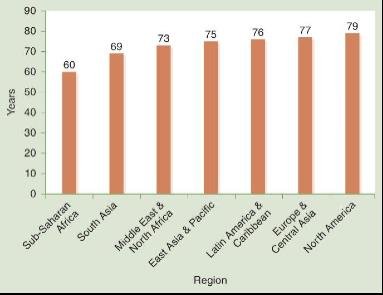
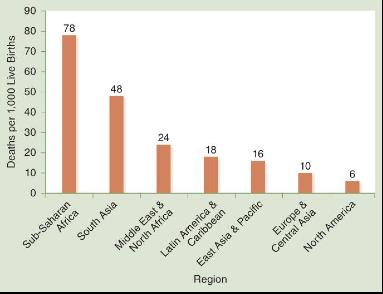
Life expectancy and under-5 mortality rates vary significantly by region, reflecting disparities in health development.
Life Expectancy at Birth: Higher in North America and Europe, lower in Sub-Saharan Africa.
Under-5 Mortality Rate: Highest in Sub-Saharan Africa, lowest in North America.
Methodologies in Health Studies
Quantitative Research: Collects numerical data (e.g., surveys, vital statistics).
Qualitative Research: Collects descriptive data (e.g., interviews, focus groups).
Both approaches are valuable for understanding health determinants.
Determinants of Health Framework
Overview of Determinants
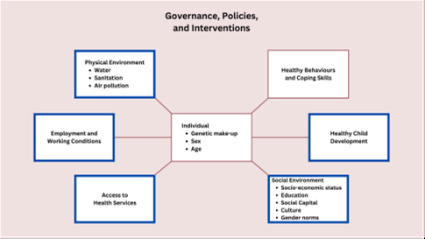
Health is influenced by multiple determinants, including:
Physical Environment: Water, sanitation, air pollution
Social Environment: Socio-economic status, education, culture, gender norms
Healthy Behaviours: Coping skills, lifestyle choices
Employment and Working Conditions
Access to Health Services
Healthy Child Development
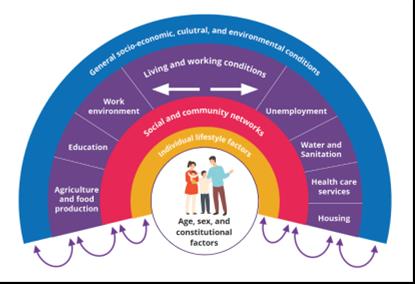
Dahlgren and Whitehead Model
This model illustrates the layers of health determinants, from individual factors to broader socio-economic, cultural, and environmental conditions.
Environmental Health Burdens
Major Environmental Health Burdens
Poor sanitation and lack of clean water
Air pollution (indoor and outdoor)
Inadequate housing
Changing land use and climate
Pollution and exposure to toxics
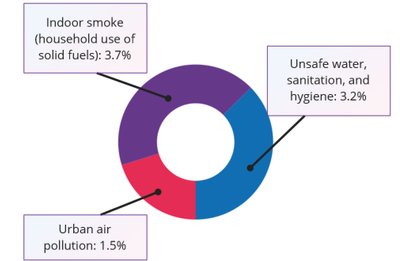
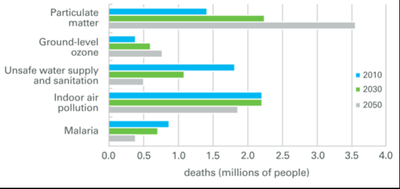
Environmental factors contribute significantly to the global burden of disease, especially in low- and middle-income countries.
Air Pollution
Types and Sources of Air Pollutants
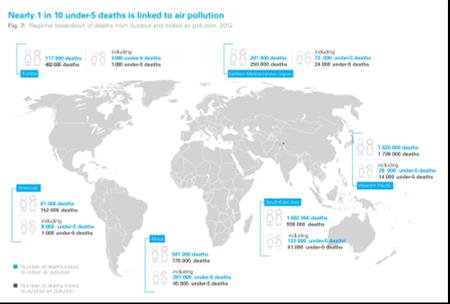
Air pollution is a critical environmental health determinant, with both indoor and outdoor sources:
Outdoor: Industrial waste, vehicle emissions, particulate matter (PM10, PM2.5), ozone, nitrogen oxides, sulfur dioxide, carbon monoxide, ammonia, lead, PAHs, VOCs
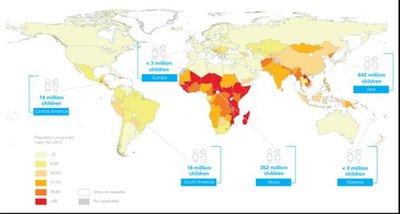
Indoor: Solid fuels (biomass, animal dung), cooking and heating fires
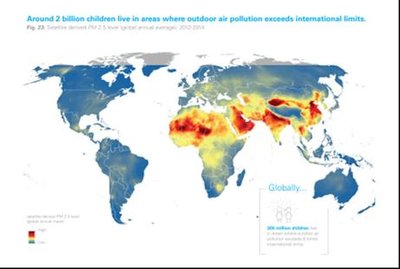
Children are especially vulnerable to air pollution, which can cause respiratory and developmental issues.
Health Effects of Indoor Air Pollution
Miscarriages, early delivery, low birth weight
Child mortality (up to 10% of under-5 deaths)
Impaired brain development
Access to Safe Drinking Water
Causes and Consequences of Unsafe Water
Causes: Pollution, contamination, inadequate sanitation, poor hygiene
Consequences: Diarrheal illnesses (e.g., gastroenteritis, cholera), vector-borne diseases (e.g., malaria, dengue, schistosomiasis)
Water-Related Infections
Water-borne: Ingested (e.g., cholera)
Water-washed: Poor hygiene (e.g., hepatitis A)
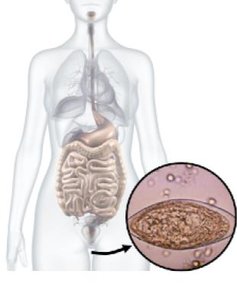
Water-based: Aquatic intermediate host (e.g., schistosomiasis)
Water-related insect vector: Insects dependent on water (e.g., malaria)
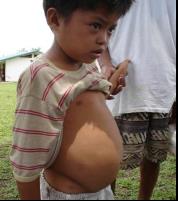
Schistosomiasis is a water-based infection caused by parasitic worms, leading to conditions such as ascites.

Canadian Context: Indigenous Communities
Many rural and remote Indigenous communities in Canada lack access to clean water, resulting in long-term health advisories and increased health risks.

Built Environment
Impact of Housing and Living Spaces
Housing affects health through internal conditions (hazards, pollutants), area characteristics (social benefits, location), and housing tenure (psychological and financial dimensions).
Pollutants, building materials, mold/bacteria, cleaning products, carbon monoxide, gases, cigarette smoke, solvents, animal dander, fireplaces
Residential Segregation
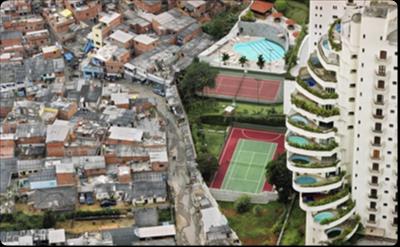
Residential segregation leads to health disparities, with higher rates of adverse outcomes in highly segregated areas.
Homelessness and Core Housing Need in Canada
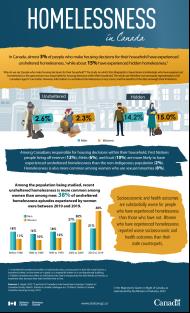
Homelessness can be unsheltered or hidden, affecting millions of Canadians. Core housing need includes lack of affordability, suitability, and adequacy.
Macro-Environmental Factors
Disasters, Governance, and Climate Change
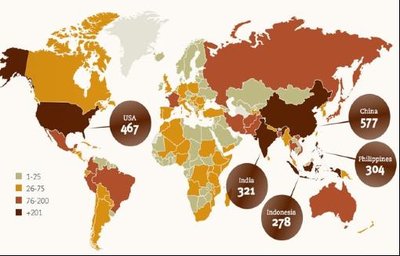
Macro-environmental factors include natural disasters, governance structures, war, and climate change. These factors have direct and indirect impacts on health.
Natural Disasters: Cause ecological disruption, loss of life, and require extraordinary response.
Complex Humanitarian Emergencies: Characterized by violence, displacement, and societal collapse.
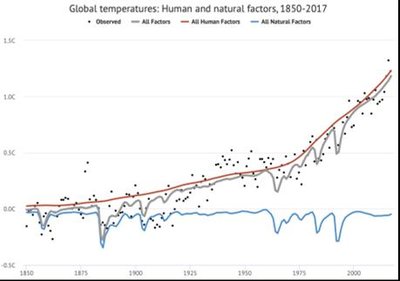
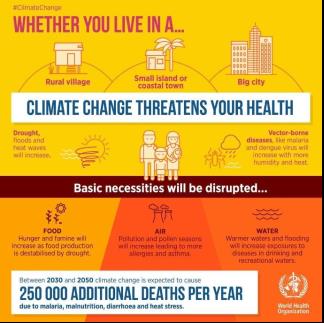
Climate Change: The greatest health threat, causing rising temperatures, extreme weather, sea level rise, and increased CO2 levels.
Economic and Health Impacts of Disasters
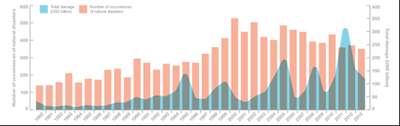
Increasing frequency and severity of disasters raise economic costs and strain health systems.
Governance and Health Outcomes
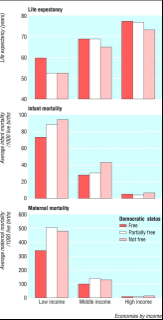
Democratic governance is associated with higher life expectancy and lower infant and maternal mortality, though exceptions exist due to ecological fallacy.
War and Health
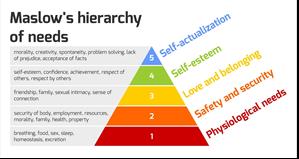
War impacts physical, mental, and emotional health. Security is a basic human need, as illustrated by Maslow's hierarchy.
Summary
Environmental determinants of health are multifaceted and interact across individual, community, and global levels. Key burdens include air pollution, unsafe water, inadequate housing, and climate change. Health outcomes are shaped by governance, social structures, and access to resources. Addressing these determinants requires critical scholarship, effective measurement, and targeted interventions.
