Back
BackGlobal Health - Class 21
Study Guide - Smart Notes
 Tailored notes based on your materials, expanded with key definitions, examples, and context.
Global Health: Introduction and Key Organizations
Defining Global Health
Global health is a multidisciplinary field focused on improving health and achieving health equity for all people worldwide. It emphasizes transnational health issues, determinants, and solutions, and promotes interdisciplinary collaboration. The field synthesizes population-based prevention with individual-level clinical care.
Key Point 1: Global health addresses health issues that transcend national boundaries and require collaborative solutions.
Key Point 2: It involves research, policy, and practice from multiple disciplines, including medicine, public health, economics, and social sciences.
Example: Addressing pandemics like COVID-19 requires international cooperation and resource sharing.
Major Global Health Organizations
United Nations (UN): An international organization with 193 member nations, working to promote peace, security, and health worldwide.
World Health Organization (WHO): A specialized UN agency with 194 member nations, leading global health responses, setting standards, and monitoring health trends.
United Nations Sustainable Development Goals (SDGs)
Overview of the SDGs
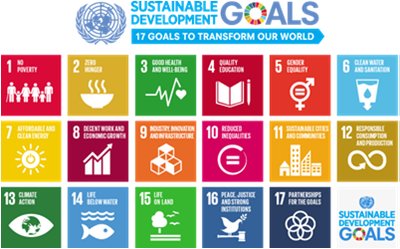
The UN Sustainable Development Goals are a set of 17 global objectives established to address urgent social, economic, and environmental challenges by 2030. Several SDGs directly relate to health, including goals on poverty, hunger, health, clean water, and sanitation.
Key Point 1: SDG 3 focuses on ensuring healthy lives and promoting well-being for all at all ages.
Key Point 2: Achieving the SDGs requires coordinated action across sectors and countries.
Non-Communicable Diseases (NCDs) in Global Health
Impact and Prevention of NCDs
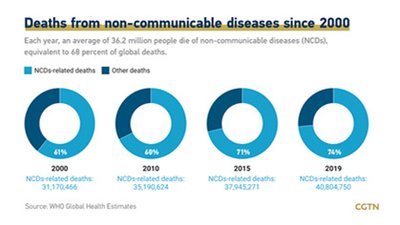
Non-communicable diseases (NCDs) such as cardiovascular disease, cancer, diabetes, and chronic respiratory diseases are responsible for approximately 75% of global deaths. The economic burden of NCDs is projected to exceed $47 trillion annually if not addressed.
Key Point 1: Primary prevention (e.g., promoting healthy lifestyles) is essential to reduce NCD incidence.
Key Point 2: Collaborative, human-centered approaches are most effective in reducing NCD prevalence.
Example: Tobacco control policies and public education campaigns have reduced smoking rates in many countries.
Communicable Diseases and Global Health
Global Burden and Trends
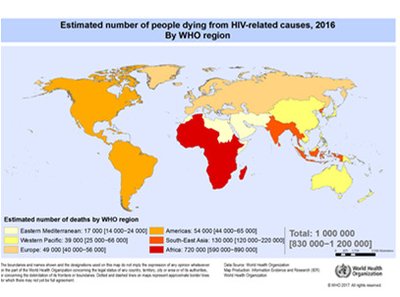
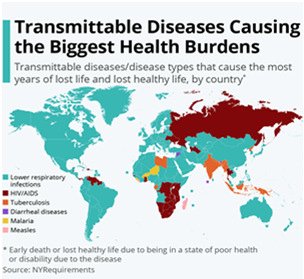
Communicable diseases such as HIV/AIDS, tuberculosis, malaria, and neglected tropical diseases remain significant causes of morbidity and mortality, especially in low- and middle-income countries. Efforts to reduce these diseases include vaccination, improved sanitation, and access to treatment.
Key Point 1: Disease reduction should focus on addressing root causes and origins, requiring transdisciplinary approaches.
Key Point 2: Global initiatives have led to significant progress, such as a 38% fall in TB-related deaths from 2000-2018 and 38 countries certified malaria-free.
Climate Change and Communicable Disease
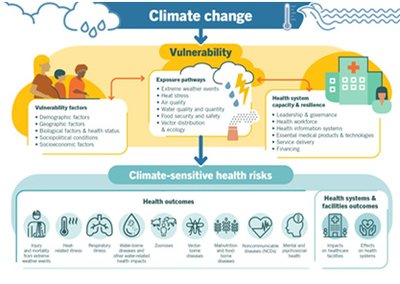
Climate change increases vulnerability to communicable diseases by affecting environmental and social determinants of health. It influences the spread of vector-borne diseases, water quality, and food security.
Key Point 1: Health systems must adapt to climate-sensitive health risks through resilience and preparedness.
Key Point 2: Vulnerable populations are disproportionately affected by climate-related health risks.
Significant Global Health Topics
Antimicrobial Resistance (AMR)
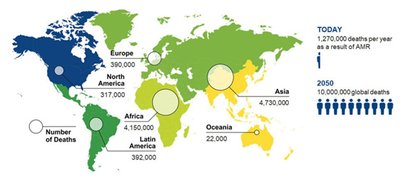
Antimicrobial resistance is a growing global threat, with increasing incidence and insufficient resources for developing new antibiotics. AMR leads to higher mortality, prolonged illness, and increased healthcare costs.
Key Point 1: AMR is projected to cause 10 million deaths annually by 2050 if not addressed.
Key Point 2: Solutions include stewardship programs, research investment, and global cooperation.
Community Engagement in Health
Engaging communities is essential for successful health interventions. Community engagement ensures that interventions are culturally appropriate, sustainable, and more likely to succeed.
Key Point 1: Community members should be true stakeholders in health initiatives.
Key Point 2: Illness narratives and social health perspectives improve intervention outcomes.
Health Ethics
Ethics is a foundational pillar in global health, guiding decision-making and interventions. Key principles include autonomy, informed consent, non-maleficence, beneficence, and justice.
Key Point 1: Ethical considerations must be applied to both health challenges and interventions.
Key Point 2: Consulting health ethicists can help resolve complex ethical dilemmas.
Global Health Inequities
Current Challenges
Significant inequities exist in global health, with disparities in access to healthcare, economic resources, and progress toward the SDGs. Poverty and economic disparity are major contributors to health inequity.
Key Point 1: Collaboration and community involvement are essential to address health inequities.
Key Point 2: Regular assessment and global buy-in are needed for sustainable change.
Applying Global Health Concepts Locally
Local Health Challenges
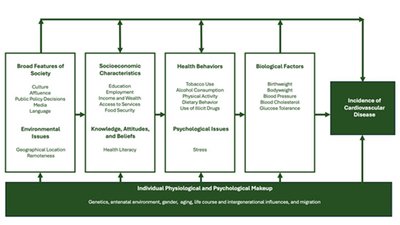
Global health concepts can be applied to local challenges such as homelessness and cardiovascular disease (CVD). Emphasizing prevention, population collaboration, and efficient healthcare delivery can improve outcomes and reduce costs.
Key Point 1: Primary prevention and addressing root causes are effective strategies for reducing disease burden.
Key Point 2: Making healthy choices accessible supports the development of healthy behaviors.
Models for Addressing Poverty and Health
Holistic and Empowerment Models
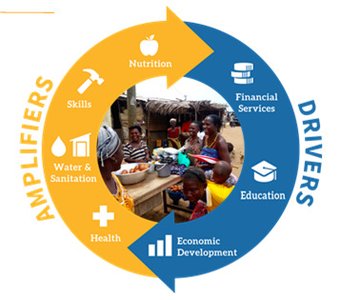
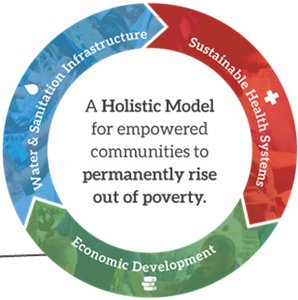
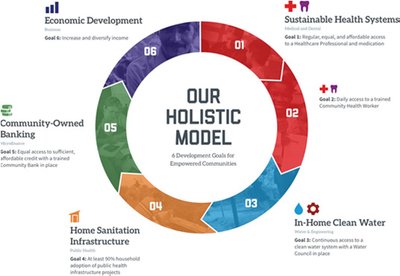
Holistic models address poverty and health by integrating nutrition, financial services, education, economic development, water and sanitation, and health. Empowerment initiatives, such as the Empowered 100, aim to create sustainable, community-led change.
Key Point 1: Addressing amplifiers (e.g., poor nutrition, lack of sanitation) and drivers (e.g., education, economic development) is essential for breaking the poverty cycle.
Key Point 2: Sustainable health systems and infrastructure are critical for long-term improvement.
Goals for Empowered Communities
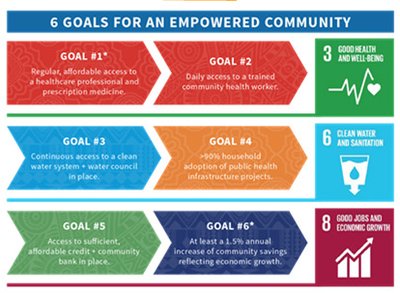
The Empowered 100 initiative sets six measurable goals for community empowerment, focusing on healthcare access, clean water, sanitation, financial inclusion, and economic growth.
Key Point 1: Regular access to healthcare professionals and medications is foundational.
Key Point 2: Community banks and savings promote economic resilience.
Monitoring and Evaluation in Global Health
Importance and Methods
Monitoring and evaluation (M&E) are essential for assessing the effectiveness of health programs and ensuring accountability. M&E involves collecting data on inputs, processes, outputs, outcomes, and impacts.
Key Point 1: Rapid needs assessments help prioritize communities most in need of intervention.
Key Point 2: Stakeholder feedback guides program improvement and mission completion.
Ethical Volunteering and Voluntourism
Concepts and Best Practices
Voluntourism refers to short-term international volunteer trips, often combining travel with service. Volunteers should reflect on their motivations, practice humility, and prioritize cultural sensitivity to avoid unintended harm.
Key Point 1: Volunteers should avoid a "saviour complex" and focus on solidarity and partnership.
Key Point 2: Responsible volunteering requires understanding privilege and engaging as a global citizen.

Types of Volunteers
Shallow Volunteers: Motivated by personal interest, with limited critical reflection.
Intermediate Volunteers: Balance self-interest and altruism, gaining some wisdom from the experience.
Deep Volunteers: Focus on community relationships and long-term impact, understanding global interconnections.
Responsible Volunteer Checklist
Check your motivations and "saviour complex"
Improve cultural awareness and competence
Reflect on your impact and privilege