 Back
BackHealth Disparities, Health Equity, and Social Determinants in Diverse Populations
Study Guide - Smart Notes
 Tailored notes based on your materials, expanded with key definitions, examples, and context.
Health Disparities & Health Equity
Definitions and Core Concepts
Understanding health disparities and health equity is essential for promoting personal and public health. These concepts are foundational to social justice and health promotion in nursing and other health professions.
Health Disparities: Gaps in the quality of health and health care among population groups, often paralleling differences in socioeconomic status, racial/ethnic background, economic, and education level. Disparities are observed both between and within countries.
Health Equity: The attainment of the highest level of health for all people, emphasizing social justice in health. It involves the absence of unfair systems and policies that cause health inequalities.
Social Determinants of Health (SDOH): The conditions in which people are born, grow, live, work, and age, including factors like socioeconomic status, education, neighborhood, and access to health care.

Major Issues Related to Health Disparities
Social Justice: The fair distribution of society’s benefits, responsibilities, and consequences, based on equality, equity, and solidarity. It values human rights and the dignity of every individual.
Socioeconomic Issues: Economic security, access to social support, child care, and health services are critical determinants of health equity.
Food Security: Reliable access to affordable, safe, healthy, and culturally appropriate food.
Sustainable Development Goals (SDGs): Global targets to eradicate poverty, protect the planet, and ensure prosperity for all by 2030.

Equality, Equity, and Inclusion
Conceptual Differences
Understanding the distinction between equality, equity, and inclusion is crucial for addressing health disparities and promoting social justice.
Equality: Providing the same resources or opportunities to everyone, regardless of individual needs or circumstances.
Equity: Distributing resources based on the specific needs of individuals or groups to achieve fair outcomes.
Inclusion: Ensuring all individuals have the opportunity to participate fully in society, regardless of differences.

Social Justice and Nursing
Nursing’s Commitment to Health Equity
Nursing as a discipline is deeply committed to justice in health care, with a focus on active engagement in social justice issues. The Canadian Community Health Nursing Standards of Practice emphasize health equity as a core competency.
Standard 6: Health Equity: Community health nurses recognize the impacts of the determinants of health and advocate for healthy public policy to advance health equity at both individual and societal levels.
Social Safety Nets: Systems designed to provide support during times of need, identified as a social determinant of health. There is increasing concern about the erosion of these safety nets.

Socioeconomic Issues and Health Services Access
Barriers to Health Services
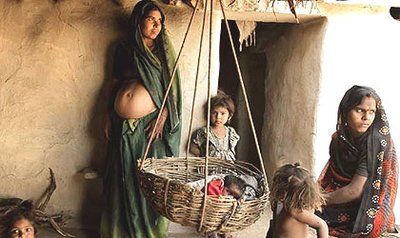
Access to health services is influenced by socioeconomic status, geographic location, and education level. Inequities in access can lead to poorer health outcomes, especially for vulnerable populations such as pregnant women and children.
Prenatal and Child Care: Inability to pay for food, shelter, and proper care can negatively impact maternal and child health.
Rural vs. Urban Disparities: Rural populations often face greater barriers to accessing health services compared to urban populations.


Impact of Poverty
Consequences for Children and Families
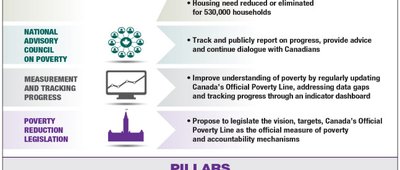
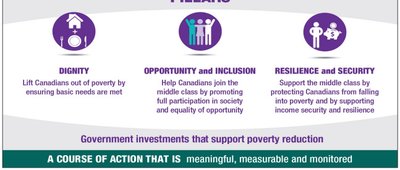
Poverty has significant short- and long-term effects on physical, mental, emotional, economic, and social well-being, particularly for children. Marginalized groups face disproportionately higher poverty rates.
High use of food banks and increased risk of health problems among children in poverty.
Children in poverty are more likely to experience behavioral and emotional problems, drop out of school, and become unemployed.
Infant mortality rates are higher among poor, isolated, and Indigenous populations.

Gender and Intersectionality
Influence on Health Outcomes
Gender interacts with other social determinants to create different health experiences for cis-women, cis-men, and gender-diverse individuals. Intersectionality recognizes that overlapping identities (race, sexual orientation, age, class, disability) can compound disadvantage and affect access to resources, social support, and health care.
Food Security
Definition and Importance
Food security exists when all people, at all times, have access to enough food that is affordable, safe, healthy, culturally acceptable, and meets dietary needs. Food insecurity arises when these conditions are not met, often due to economic or geographic barriers.
Food must be produced in environmentally sound and socially just ways.
Local and community food production supports food security.
Food insecurity can result from lack of nearby farms or stores, insufficient income, or environmental degradation.

Food Banks and Community Initiatives
Food bank usage has risen sharply, indicating growing food insecurity. Nurses can play a key role in developing and implementing food security strategies such as community kitchens, gardens, and food cooperatives.
Sustainable Development Goals (SDGs)
Global Health Promotion
The SDGs are 17 global goals adopted by the United Nations to eradicate poverty, protect the planet, and ensure prosperity for all by 2030. Each goal has specific targets, such as reducing maternal mortality (SDG 3.1) to less than 70 per 100,000 live births by 2030.
Maternal mortality remains a significant health risk, especially in developing countries and among marginalized populations.
Factors increasing maternal mortality include low education, young or advanced maternal age, and gender discrimination.
Health Promotion Interventions
Strategies for Advancing Health Equity
Health professionals can promote health equity by:
Lobbying for healthy public policy and foreign aid to meet SDG commitments.
Participating in public awareness campaigns on social justice and SDGs.
Promoting equity considerations in health policy and program planning.
Advocating for intersectional approaches to address overlapping social determinants of health.
