 Back
BackHealth Promotion and Protection in School-Aged and Adolescent Children
Study Guide - Smart Notes
 Tailored notes based on your materials, expanded with key definitions, examples, and context.
The School-Aged and Adolescent Child
Introduction to Development and Interpersonal Violence
Development in children refers to the sequence of physical, psychosocial, and cognitive changes that occur throughout the human lifespan. Interpersonal violence is defined as the intentional use of physical force or power against another person or group, encompassing physical, psychological, sexual violence, neglect, and deprivation.
Development: Includes physical growth, emotional and social maturation, and cognitive advancement.
Interpersonal Violence: Can have severe impacts on health and well-being, including trauma and long-term psychological effects.

Growth and Development in School-Aged Children (6-12 years)
Psychosocial and Cognitive Development
School-aged children experience significant changes in physical, cognitive, and social domains. Key developmental theories include:
Erikson: Industry vs. Inferiority – children strive to achieve competence and skills.
Kohlberg: Preconventional level – moral reasoning based on consequences.
Piaget: Concrete operations (7-11 years) – logical thinking about concrete events.
Maturation rates vary between boys and girls, with notable changes in oral development, lymph tissue growth, and motor skills.

Views of Parents and Adults
Ages 6-8: Family-oriented, seek parental approval, gradually gain independence.
Ages 9-12: Begin to question parental authority, feel more knowledgeable than adults.
Health Promotion Needs & Risk Factors
Physical Activities and Leisure
Physical activity is crucial for developing strength, balance, and coordination. Motor skills such as running, jumping, and throwing are refined during this stage.
Promotion of Physical Activity: Nurses can help parents assess the appropriateness of sports and activities, provide information about programs, and select activities for social, psychomotor, emotional, and cognitive development.


Poverty and Its Impact
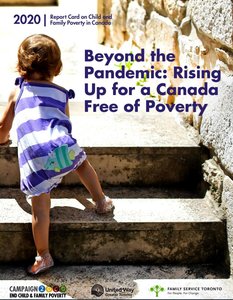
Poverty is a significant threat to health and quality of life. In Canada, child poverty rates are disproportionately higher among marginalized groups. Nurses must be aware of resources to assist families living in poverty.
Physical, mental, emotional, economic, and social harms are associated with poverty.
Systemic marginalization: Higher rates among First Nations, Inuit, Métis, racialized, immigrant, and newcomer children.



Nutrition and Dental Health
Proper nutrition is essential for growth and development. Nurses must be familiar with Canada’s Food Guide and consider food insecurity issues. Calcium is important for bone development and density. Positive mealtimes and school lunch programs promote healthy eating habits.
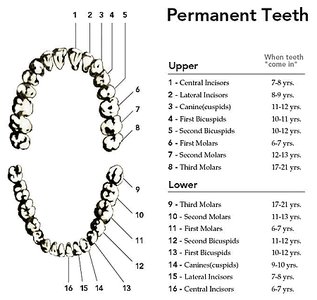
Dental Health: Loss of baby teeth and emergence of adult teeth. Supervised tooth brushing with fluoride toothpaste is recommended for children over 6 years.
Regular check-ups: Every 6 months; nutrition is a major factor in dental health.
Safety
Accidents are the leading cause of death in school-aged children. Safety education should cover play, sports, school, street, and internet safety. Nurses play a key role in teaching safety and acting as resource persons.
Bicycle/skateboard safety
Sports injury prevention
Motor vehicle safety
Fire and water safety
Internet safety




Child Abuse and Interpersonal Violence
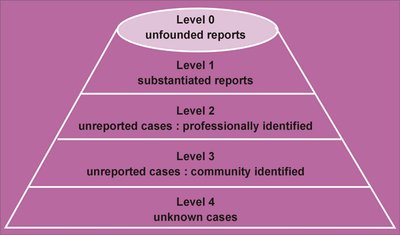
Child abuse includes physical, sexual, emotional abuse, neglect, and exposure to family violence. Trauma-informed approaches and resources are essential for prevention and intervention.
Self-reported abuse: 20.19% among ages 15-24 (Stats Canada, 2020).
Types: Physical, sexual, neglect, emotional, exposure to family violence.

Fostering Positive Self-Concept
Self-concept develops over time and is influenced by self-esteem, sense of control, body concept, and sex roles. Nurses should promote positive self-concept by encouraging success, positive feedback, choices, and open discussions on sexuality.
Internal locus of control: Reinforces self-esteem and resilience.
Sex education: Promotion in schools is important.

Aggression and Bullying
Aggression and bullying can lead to emotional problems later in life. Health promotion efforts include anti-bullying programs, conflict management techniques, and appropriate behavior modeling for parents.
Consistent love and affection
Supervision and appropriate behavior modeling
No access to weapons

Healthy Choices: Substance Use
Substance use, including smoking, vaping, and drugs, occurs in this age group. Nurses must provide factual information and avoid scare tactics. Programs such as DARE are essential for prevention.
Education: Teachers and others should be trained to identify children at risk.
School violence: Lockdown practices have a new impact on children.

Immunization Schedule
Immunizations are crucial for preventing infectious diseases. Recommended vaccines include DTaP-IPV, Men-C-ACYW-135, HB, HPV-9, COVID, and Influenza.
Health Promotion & Protection of the Adolescent
Developmental Tasks
Adolescence (approx. 10-18 years) begins with puberty and involves psychosocial, emotional, cognitive, and moral transitions. Key developmental theories:
Freud: Genital stage
Erikson: Identity vs. Role Confusion
Piaget: Formal operations (age 11+)


Issues and Concerns
Self-esteem: Related to substance abuse, unwanted pregnancy, eating disorders, acne.
Unhealthy choices/behaviour
Sexuality
Safety: Injuries, abuse, internet
Mental Health: Depression, anxiety, anger
Physical Activity
Health Screening
Self-Esteem and Body Image
Self-esteem is formed by age five but fluctuates with experiences. Adolescents must adjust to rapid physical and sexual maturation, which can cause stress. Peer and teacher evaluations strongly influence self-esteem.
Internal vs. External locus of control: Internal locus promotes resilience; external locus is influenced by others' evaluations.
Body image concerns: Influenced by friends, family, teachers, media, culture, and society.





Sexuality
Sexuality is a central aspect of being human and encompasses sex, gender identities, roles, sexual orientation, eroticism, pleasure, intimacy, and reproduction. Adolescents face strong societal messages and need reliable information and affirming care.
Health Promotion: Support education projects, affirming care, parental involvement, and crisis support.





Oral Health
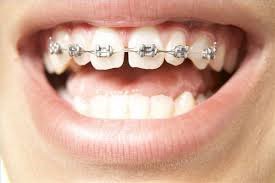
Adolescents with orthodontics require specialized care. Dental caries and gingivitis are common problems, with symptoms such as broken, dark teeth and inflamed gums.
Health Screening
Female (AFAB): Breast self-awareness, HPV vaccine
Male (AMAB): Testicular self-exam, HPV vaccine
All Adolescents: Eye exams, cholesterol/triglyceride levels, substance abuse, depression, eating disorders

Physical Activity
More than half of adolescents are not active enough for optimal growth and development. Nurses should advocate for increased activity and liaise with teachers to incorporate physical activity in schools.
Moderate activities: Biking, walking, soccer, weight training balanced with sleep

Alcohol and Drug Use
Vaping, smoking, and drug misuse are major concerns. Excessive drinking and drug use are more common among older adolescents, especially with peer influence and ineffective parenting.
Prevalence: Alcohol, cannabis, hallucinogens
Reasons: Curiosity, peer pressure, insecurity, acceptance, easy availability, imitation, rebellion, escape
Health Promotion: Prevention and treatment with family focus, school policies, peer support, community strategies
Safety Issues and Injury Prevention
Injuries are the leading cause of death among youth. Motor vehicle accidents, sports injuries, and risk-taking behaviors contribute to mortality and morbidity.
Prevention: Driver education, community safety programs, water safety, supportive environments


Abuse, Neglect, and Maltreatment
Nurses must use careful screening and strong communication skills to identify abuse and maltreatment. Establishing trust and interviewing alone are important strategies.
Mental Health: Emotional & Behavioral Concerns
One in five teenagers have emotional problems, and one in ten have serious disturbances. Suicide is the second leading cause of death in adolescence. Teachers are often unprepared to assess suicide risk.
Internet and Social Media Safety
The internet is a valuable communication and education tool but poses risks such as inappropriate material, sexual harassment, cyber-bullying, physical danger, sextortion, and human trafficking. Parents should monitor activity, discuss risks, and encourage open communication.
Role of the Nurse
Direct intervention
Consultation with school personnel
Development and implementation of suicide prevention programs
Societal Trends and Health Promotion Strategies
Factors influencing adolescent issues include family structure, technology, exposure to sexual content, and decreased face-to-face interaction. Health promotion strategies for parents include providing an emotionally stable environment, increasing responsibilities, and preparing teens for adulthood.
Immunization Schedule for Adolescents
Grades 8 & 9: Tdap (Tetanus/diphtheria/acellular Pertussis), COVID, and Influenza vaccines recommended.
Additional info: Academic context was added to clarify developmental theories, health promotion strategies, and the role of nurses in prevention and intervention.
