 Back
BackHealth Promotion and Protection in School-Aged and Adolescent Children
Study Guide - Smart Notes
 Tailored notes based on your materials, expanded with key definitions, examples, and context.
Health Promotion in Toddler & Preschool Children
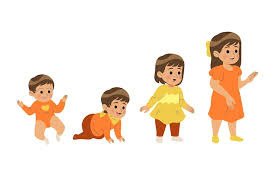
Growth and Development
Toddler and preschool years are critical periods for physical, cognitive, and psychosocial development. Understanding these stages helps guide health promotion and injury prevention strategies.
Erikson's Stages: Toddlers (autonomy vs. shame & doubt); Preschoolers (initiative vs. guilt).
Piaget's Stages: Toddlers (sensorimotor, up to 2 years); Preschoolers (preoperational, 2-6 years).
Kohlberg's Stages: Pre-conventional moral thinking (4-10 years).
Milestones: Motor skills, language, social interaction, and independence increase rapidly.
Health Promotion: Early interventions can be targeted directly at the child during preschool years.
Major Health Concerns in Toddlers
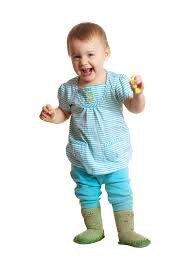
Toddlers (1-3 years) face unique health risks due to their developmental stage. Key concerns include safety, immunizations, nutrition, and regular health checks.
Safety: Falls, suffocation, drowning, burns, poisoning, and motor vehicle accidents are leading causes of injury and death.
Immunizations: Essential for preventing infectious diseases; often overlooked as routines change.
Nutrition: Transition to adult foods, risk of iron deficiency, and forming eating habits.
Well Child Checks: Screening for vision, hearing, growth, development, and oral health.
Safety and Injury Prevention
Social Determinants of Health (SDOH) and Safety
Injury risk is influenced by socioeconomic status, home and community environments, and access to safety resources. Primordial prevention addresses root causes before traditional prevention.
Falls: Most common cause of injury hospitalization in toddlers due to lack of judgment, experience, and coordination.
Poisoning: Third leading cause of injury hospitalization (ages 0-4); most poisonings occur at home.
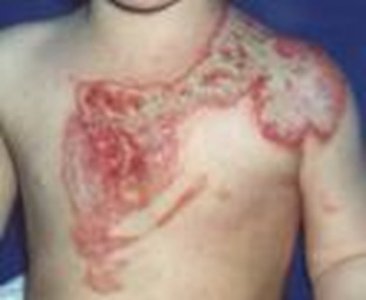
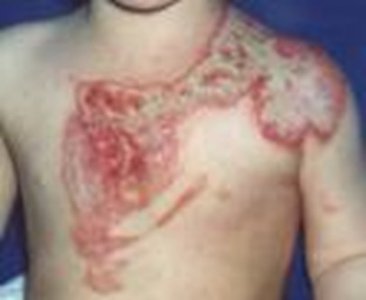
Burns: Scalding from hot water, appliances, and fire; significant cause of injury and death.
Head Injuries: Range from minor abrasions to severe trauma; helmet use reduces risk significantly.
Drowning: Second most common cause of death for children under 5; supervision and barriers are critical.

Poison Prevention
Education and preparation are key to reducing poisonings and their severity. Immediate response and access to poison control are essential.
Prevention Strategies: Keep household products out of reach, never refer to medication as candy, keep products in original containers, avoid poisonous plants, and post poison control numbers.
Principles of Poison Control: Reduce number and severity of poisonings, ensure immediate response, and educate caregivers.
Burns and Scalds
Scalding is a major cause of burns in young children. Prevention includes controlling hot water temperature and keeping appliances out of reach.
Hot Tap Water: Should not exceed 38°C to prevent scalds.
Statistics: Burns contribute to over a quarter of fire-related deaths in Canada.
Head Injuries and Concussion Prevention
Head injuries are common in young children, often occurring near home. Helmet use and awareness campaigns are effective prevention strategies.
Helmet Use: Reduces risk of head injury by 85% and brain injury by 88%.
Awareness: Child health checks, preschools, and mass media can promote helmet use.
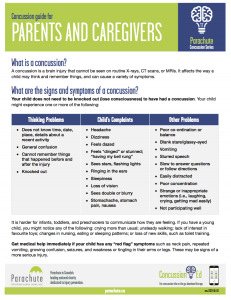
Concussion: Brain injury not visible on routine scans; symptoms include thinking problems, complaints, and other issues.
Bunk Bed Safety
Bunk beds pose risks for children under 6 years, including falls, entrapment, and strangulation. Supervision and education are necessary.
Risks: Head entrapment, strangulation, and falls from top bunk.
Prevention: Teach safe use and supervise children.
Drowning Prevention
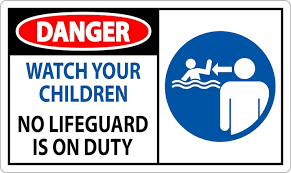
Young children are at special risk for drowning due to attraction to water, inability to swim, and lack of balance. Prevention focuses on supervision and environmental barriers.
Supervision: Close monitoring, especially near water.
Barriers: Four-sided fencing around pools, self-closing gates.
Lifejackets: Essential on boats.
Swimming Training: Helpful but not a substitute for supervision.
Health Promotion and Screening
Well Child Checks
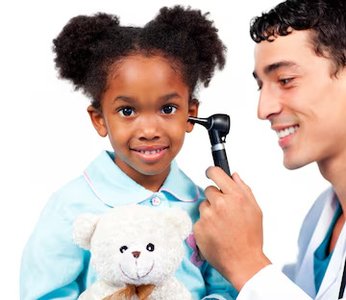
Regular health checks are offered at key ages to screen for health issues and provide information to parents. Community health nurses play a central role.
Screening: Vision, hearing, speech, growth, development, oral health, immunizations, physical assessment, and nutrition.
Immunizations: DTaP-IPV-Hib, MMRV, Influenza, and Covid recommended at 18 months; often overlooked.
Nutrition in Toddlers and Preschoolers
Transition and Eating Habits
Children transition from breast/bottle to whole milk and adult foods, forming lifelong eating habits. Areas of concern include iron deficiency, healthy growth, and dental care.
Decreased Growth Rate: Appetite may decrease as growth slows.
Food Attitudes: Food jags and finicky habits are common.
Iron Deficiency: Risk increases as children move away from iron-fortified foods.
Choking: Risk due to immature eating abilities.
Adverse Reactions: Includes food intolerance and allergies.
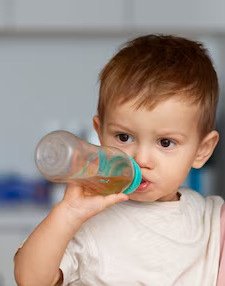
Iron Deficiency
Iron is essential for healthy development. Toddlers may not consume enough iron-rich foods, increasing risk for anemia.
Sources: Red meats, beans, whole grains, spinach, cereals, dried fruits.
Risk Factors: Excessive milk/juice, finicky eating, lack of iron-fortified foods.
Adverse Reactions to Food
Adverse reactions include intolerance (non-immune) and allergy (immune-mediated). Allergies can cause serious responses requiring emergency treatment.
Intolerance: Does not involve immune system.
Allergy: Immune response to protein fractions; may require epinephrine for severe reactions.
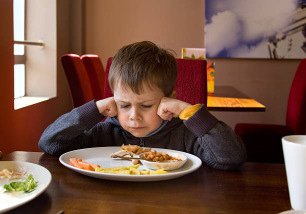
Obesity and Family Health
Obesity is a complex issue influenced by genetics, socioeconomic status, and behavior. Health promotion focuses on whole family health and balanced eating.
Contributing Factors: Excessive milk, inappropriate snacks, inadequate exercise, food as reward.
Prevention: Promote healthy eating, physical activity, and avoid overstressing weight.
Dental Health
Dental hygiene is important as children have all deciduous teeth. Issues include high sugar snacks, inadequate brushing, and bottle use.
Promotion: Teach brushing/flossing, encourage dental appointments, limit sugar intake.
Toilet Training
Toilet training requires emotional and physiological readiness. Daytime dryness precedes nighttime dryness; positive reinforcement is essential.
Readiness: Evaluate emotional and physiological factors.
Approach: Never punish or ridicule; use positive reinforcement.
Preschool Health Promotion
Safety and Accident Prevention
Accidents are the leading cause of death in preschoolers. Health promotion includes education, environmental controls, and screening.
Motor Vehicle Accidents: Pedestrian accidents are common; children cannot judge speed.
Street-proofing: Teach children and parents about street safety and abduction prevention.
Programs: Stay Alert Stay Safe, Block Parents, Parachute, Safety Courses for Children.

Role of Community Health Nurse
Community health nurses lead accident prevention, teach safety rules, and support parents during health checks and screenings.
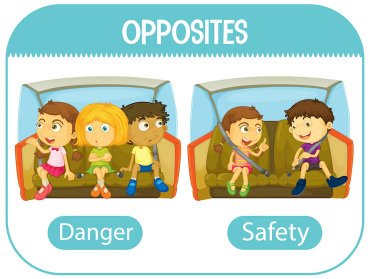
Education: Teach crossing street, road rules, car seat safety, and accident prevention.
Leadership: Develop and implement prevention programs.

Child Health Clinics and Developmental Screening
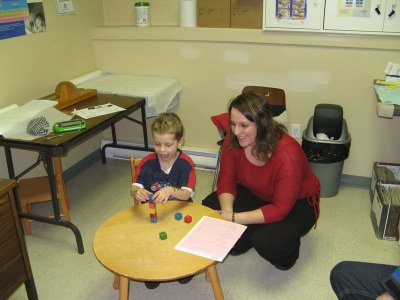
Preschool health checks include screening, immunizations, health information, and referrals. Developmental screening tools like ASQ assess milestones.
ASQ: Ages and Stages Questionnaire for children birth to 5 years.
Clinic Role: Provide guidance on safety, nutrition, dental care, sexuality, toilet training, and iron deficiency.
Daycare Health Promotion
Parents should review daycare programs for accreditation, safety, and quality. Advocacy for accessible, affordable daycare is important.
Review: Accredited, government-approved facilities.
Advocacy: Lobby for quality, affordable daycare.
The Power of Play
Play is essential for development, learning, and health promotion in early childhood. Campaigns encourage active, creative play in safe environments.
Benefits: Physical, cognitive, and social development.
Promotion: Encourage play in preschools and at home.
