 Back
BackN1015 Toddler & Preschool Children - Class 10
Study Guide - Smart Notes
 Tailored notes based on your materials, expanded with key definitions, examples, and context.
Health Promotion in Toddlers and Preschoolers
Introduction
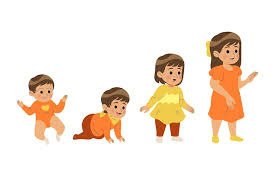
This guide covers essential aspects of health promotion for toddlers (1-3 years) and preschoolers (3-6 years), focusing on growth and development, safety, injury prevention, nutrition, immunizations, and common health concerns. Understanding these topics is crucial for promoting optimal health and preventing disease and injury in early childhood.
Growth and Development
Developmental Theories
Erikson's Stages:
Toddler: Autonomy vs. Shame & Doubt – Children strive for independence and self-control.
Preschooler: Initiative vs. Guilt – Children begin to assert power and control through directing play and social interactions.
Piaget's Stages:
Toddler: Sensorimotor (up to 2 years) – Learning through physical interaction with the environment.
Preschooler: Preoperational (2-6 years) – Development of language and symbolic thinking, but thinking is still intuitive and egocentric.
Kohlberg's Moral Development: Pre-conventional thinking (4-10 years) – Morality is externally controlled; children obey rules to avoid punishment or gain rewards.
Major Health Concerns in Toddlers and Preschoolers
Safety and Injury Prevention
Injury is a leading cause of morbidity and mortality in young children. Prevention strategies must consider the child's developmental stage and environment.
Falls: The most common cause of injury hospitalization in toddlers due to lack of judgment, limited coordination, and curiosity.
Other Leading Causes: Suffocation, choking, drowning, motor vehicle accidents (MVAs), burns, and poisoning.

Social Determinants of Health (SDOH) and Safety
Injury risk is influenced by socioeconomic status, home and community environment, and access to safety resources.
Primordial prevention focuses on addressing root causes of injury, such as poverty and lack of education, rather than only treating injuries after they occur.
Poisoning
Third leading cause of injury hospitalization for ages 0-4; most poisonings occur at home.
Common sources: household products, medications, cosmetics, and plants.
Prevention: Store products out of reach, keep items in original containers, educate caregivers, and post poison control numbers.

Burns and Scalds
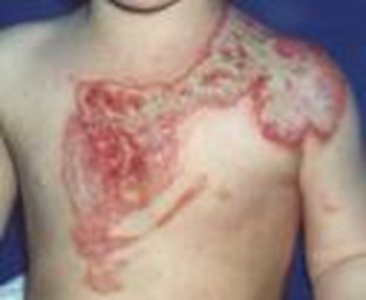
Scalding from hot liquids is a major cause of burns in young children.
Prevention: Set hot water heaters to a maximum of 38°C, keep hot items out of reach, and supervise children around appliances.
Head Injuries and Concussion
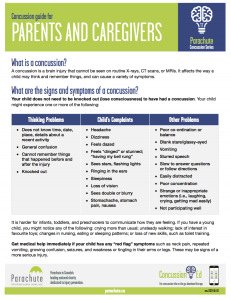
Head injuries range from minor abrasions to severe trauma; most occur near home and during the day.
Shaken Baby Syndrome is a preventable cause of severe head injury in infants and toddlers.
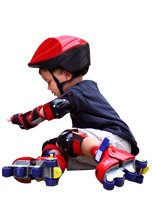
Prevention: Use helmets for activities, educate parents, and promote safe environments.
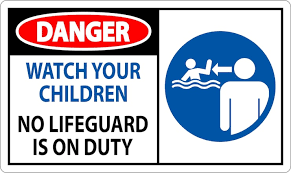
Drowning
Drowning is the second most common cause of death for children under 5 in Canada.
Risk factors: Lack of supervision, inability to swim, and small lung capacity.
Prevention: Close supervision, pool fencing, lifejackets, and swimming lessons (though not a guarantee of safety).
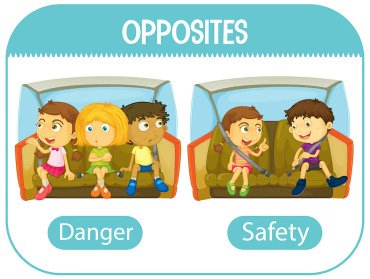
Motor Vehicle Accidents (MVAs)
MVAs are a leading cause of death and hospitalization in preschoolers, often as pedestrians.
Prevention: Use appropriate car seats, teach road safety, and supervise children near traffic.

Street-Proofing and Safety Education
Teach children about potential dangers and self-protective behaviors appropriate to their developmental stage.
Programs: Stay Alert Stay Safe, Block Parents, and community safety courses.

Health Promotion Strategies
Well Child Checks and Screening
Regular health checks at 2, 4, 6, 12, and 18 months, and again at 4-6 years.
Screening includes vision, hearing, speech, growth, development, oral health, immunizations, and nutrition.
Developmental screening tools, such as the Ages and Stages Questionnaire (ASQ), help identify delays early.
Immunizations
Key vaccines at 18 months: DTaP-IPV-Hib, MMRV, Influenza, and COVID-19 (recommended).
Immunizations are sometimes missed at this age due to changes in routine; education and reminders are important.
Nutrition in Toddlers and Preschoolers
Transition and Common Concerns
Transition from breast/bottle to whole milk and adult foods.
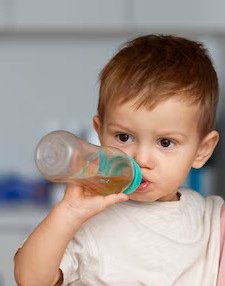
Common issues: Iron deficiency anemia, excessive milk/juice intake, dislike of vegetables, choking, and food allergies.
Food jags and finicky eating are normal as children develop autonomy and preferences.
Iron Deficiency
Iron-rich foods: Red meats, beans, whole grains, spinach, cereals, and dried fruits.
Risk increases as children transition away from iron-fortified infant foods.
Adverse Food Reactions
Intolerance: Non-immune adverse reaction to food (e.g., lactose intolerance).
Allergy: Immune-mediated response to food proteins, potentially life-threatening (e.g., peanut allergy).
Management may require emergency medication such as epinephrine auto-injectors.

Obesity and Healthy Habits
Obesity is a complex issue influenced by genetics, socioeconomic status, and behaviors (e.g., excessive snacking, lack of exercise).
Focus on family-wide healthy eating and activity, not just weight.
Dental Health
All deciduous teeth should be present by preschool age; first dental visit recommended.
Issues: High-sugar snacks, inadequate hygiene, prolonged bottle use, thumb sucking, and pacifiers.
Promotion: Teach brushing/flossing, limit sugary foods, and encourage regular dental visits.
Toilet Training
Assess emotional and physiological readiness; daytime dryness precedes nighttime dryness.
Never punish or ridicule; use positive reinforcement and patience.

Daycare and Community Health Promotion
Daycare Selection and Advocacy
Encourage parents to choose accredited, government-approved daycare facilities.
Screen for safety measures and trust personal impressions.
Advocate for quality, affordable, and accessible childcare.
Role of Community Health Nurses
Educate parents on safety, nutrition, immunizations, and developmental milestones.
Lead accident prevention programs and provide direct teaching during health checks.
Facilitate referrals and connect families to community resources.
Summary Table: Leading Causes of Unintentional Injury in Children 0-4 Years
Cause | Prevention Strategies |
|---|---|
Falls | Supervision, safe home environment, use of safety gates |
Poisoning | Store products out of reach, education, poison control access |
Burns | Set water heater temperature, keep hot items away, supervise |
Drowning | Supervision, pool fencing, lifejackets, swimming lessons |
MVAs | Car seats, road safety education, supervision |
Suffocation/Choking | Safe sleep practices, keep small objects away |
