 Back
BackMedical Terminology, Anatomy, and Physiology of Organ Systems: Foundations for Personal Health
Study Guide - Smart Notes
 Tailored notes based on your materials, expanded with key definitions, examples, and context.
Medical Terminology
Introduction to Medical Terminology
Medical terminology is the specialized language used in the healthcare field. Understanding its structure enables accurate communication and comprehension of health-related concepts. Most terms are derived from Greek and Latin and are constructed from word elements.
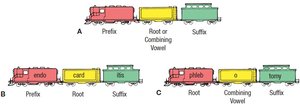
Word Root: The core of the word, usually indicating a body part or system (e.g., cardi for heart).
Prefix: Appears at the beginning, often indicating location, number, or time (e.g., endo- meaning within).
Suffix: Appears at the end, usually indicating a condition, disease, or procedure (e.g., -itis meaning inflammation).
Combining Vowel: A vowel (often 'o') added for ease of pronunciation, not meaning (e.g., phleb/o/tomy).
Combining Form: The root plus a combining vowel.
Rules and Examples
Changing a prefix can alter the entire meaning of a word.
Correct spelling and pronunciation are essential for clear communication.
When a suffix begins with a vowel, the combining vowel is usually omitted.
Words may have more than one root, especially when referring to multiple body parts (e.g., gastroenterology).
Examples:
Endocarditis: Inflammation of the inner lining of the heart (endo/card/itis).
Phlebotomy: Incision into a vein (phleb/o/tomy).
Cardiology: Study of the heart (cardi/o/logy).
Hematology: Study of blood (hemat/o/logy).
Tip: To interpret a medical term, start with the suffix, then the prefix, and finally the root.
Anatomy and Physiology Overview
Definitions and Structural Levels
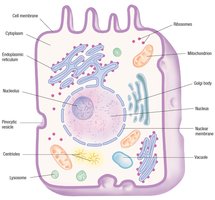
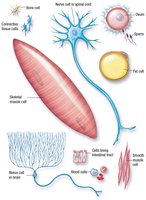
Anatomy is the study of the body's physical structure, while physiology focuses on its functions and processes. The human body is organized into hierarchical structural levels:
Atoms
Molecules
Organelles
Cells
Tissues
Organs
Organ systems
Organism (the human body)
Homeostasis and Metabolism
Homeostasis refers to the body's ability to maintain a stable internal environment. This is achieved through complex processes that compensate for changes, such as regulating blood glucose levels. Metabolism encompasses all chemical reactions in the body and consists of two phases:
Anabolism: Building complex molecules from simpler ones (e.g., synthesis of proteins).
Catabolism: Breaking down complex molecules to release energy (e.g., digestion of food).
Vital signs (temperature, pulse, respiration, blood pressure) are key indicators of homeostasis.
Body Regions, Cavities, and Positions
Directional and Regional Terms
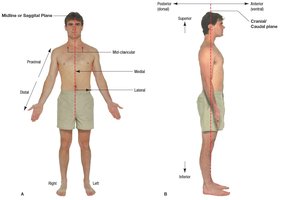
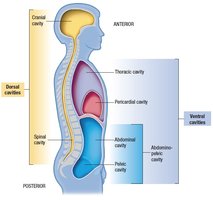
Understanding anatomical terminology is essential for describing locations and positions in the body:
Anterior: In front of
Posterior: Toward the back
Medial: Toward the midline
Lateral: Toward the sides
Dorsal: Back side
Ventral: Front side
Proximal: Near the point of attachment
Distal: Away from the point of attachment
Superficial: Near the surface
Deep: Far from the surface
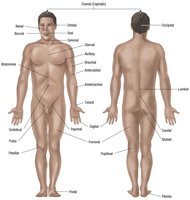
Body Positions
Normal anatomic position: Standing erect, arms at sides, palms forward.
Supine: Lying face-up.
Prone: Lying face-down.
Lateral recumbent: Lying on the side.

Major Organ Systems
Overview and Functions
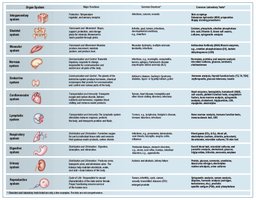
The human body consists of 11 major organ systems, each with specific functions, associated disorders, and laboratory tests. Understanding these systems is foundational for personal health and disease prevention.
Organ System | Main Function | Common Disorders | Common Laboratory Tests |
|---|---|---|---|
Integumentary | Protection, regulation, sensation | Acne, dermatitis, melanoma | Skin biopsy, cultures |
Skeletal | Support, movement, hematopoiesis | Osteoporosis, fractures | Calcium, ALP, bone biopsy |
Muscular | Movement, posture, heat | Muscular dystrophy, cramps | Enzyme assays, biopsy |
Nervous | Regulation, communication | Stroke, epilepsy, MS | CSF analysis, drug levels |
Respiratory | Gas exchange | Asthma, pneumonia | Blood gases, sputum culture |
Digestive | Digestion, absorption | GERD, hepatitis | Occult blood, O&P, biopsy |
Urinary | Excretion, regulation | UTI, kidney disease | Urinalysis, BUN, creatinine |
Endocrine | Hormone regulation | Diabetes, thyroid disorders | Glucose, TSH, cortisol |
Reproductive | Reproduction, hormone secretion | Infertility, STDs | Semen analysis, Pap smear |
Lymphatic | Immunity, fluid balance | Lymphoma, infection | WBC count, cultures |
Cardiovascular | Transport, circulation | Hypertension, MI | ECG, troponin, lipid panel |
Integumentary System
Structure and Function
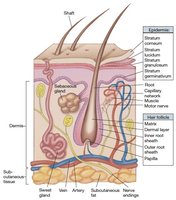
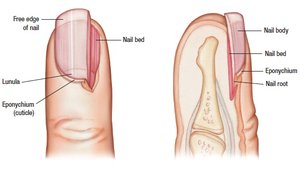
The integumentary system includes the skin, hair, nails, sweat and oil glands. It serves as the body's first line of defense, regulates temperature, and enables sensation.
Skin is the largest organ, providing a barrier to pathogens and preventing water loss.
Sebaceous glands secrete oils; sweat glands aid in cooling.
Stores fat and allows for sensory perception.
Common Disorders
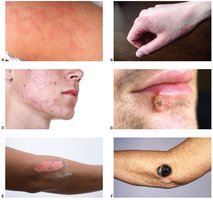
Bacterial: Acne, impetigo
Viral: Herpes, chickenpox
Fungal: Ringworm, athlete's foot
Allergic: Dermatitis, eczema
Other: Burns, skin cancer
Laboratory Tests
Skin scrapings, biopsies
Bacterial, viral, fungal cultures
KOH preparation for fungal elements
Skeletal System
Structure and Function
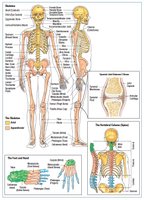
The skeletal system consists of bones, cartilage, joints, ligaments, and tendons. It provides support, protection, movement, blood cell formation, and mineral storage.
Types of bones: Long (femur), short (carpals), flat (ribs), irregular (vertebrae)
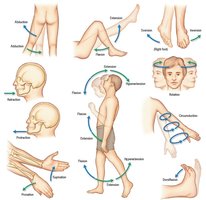
Joints connect bones and allow movement
Common Disorders
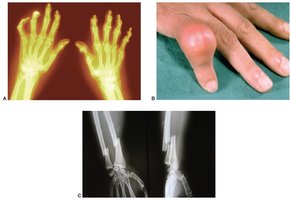
Inflammatory: Osteoarthritis, gout
Infectious: Osteomyelitis
Porous bone: Osteoporosis
Fractures, developmental conditions (gigantism, dwarfism), tumors
Laboratory Tests
Calcium, phosphate, vitamin D, ALP
ANA, ESR, CBC
Bone marrow or synovial fluid cultures
Muscular System
Types and Functions
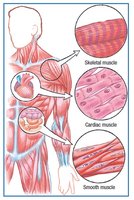
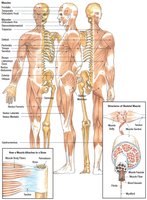
The muscular system includes skeletal (voluntary), smooth (involuntary), and cardiac (heart) muscles. It enables movement, maintains posture, and produces heat.
Skeletal muscles attach to bones
Smooth muscles line internal organs
Cardiac muscle forms the heart
Common Disorders
Muscular dystrophy, multiple sclerosis, ALS
Muscle cramps, tendonitis, atrophy
Viral infections (poliomyelitis)
Laboratory Tests
Muscle enzyme assays
Autoimmune antibody analysis
Microscopic and culture examination of biopsy tissue
Nervous System
Structure and Function
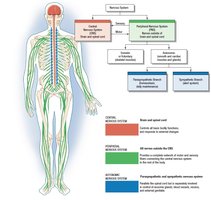
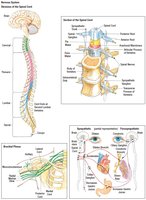
The nervous system is the body's primary communication and regulatory network, consisting of the brain, spinal cord, nerves, and specialized cells called neurons.
Central Nervous System (CNS): Brain and spinal cord; coordinates all bodily functions.
Peripheral Nervous System (PNS): Nerves outside the CNS; connects CNS to limbs and organs.
Somatic: Voluntary control of skeletal muscles.
Autonomic: Involuntary control of smooth/cardiac muscle and glands; subdivided into sympathetic ("fight or flight") and parasympathetic (rest and digest).
Common Disorders
Infections: Encephalitis, meningitis
Degenerative: ALS, MS, Parkinson's, Alzheimer's
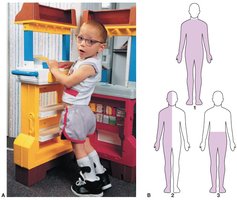
Stroke, epilepsy, paralysis
Psychological: Depression, anxiety, schizophrenia
Laboratory Tests
Chemical assays (glucose, serotonin, drug levels)
CSF analysis for infection or protein abnormalities
Therapeutic drug monitoring
Respiratory System
Structure and Function
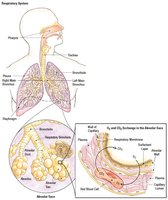
The respiratory system enables gas exchange between the body and the environment. It includes the nose, pharynx, larynx, trachea, bronchi, and lungs.
Oxygen is transported to tissues; carbon dioxide is removed.
Blood pH is regulated by CO2 levels; normal pH is 7.35–7.45.
Common Disorders
Infections: Tuberculosis, pneumonia, influenza
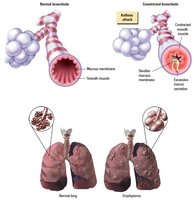
Chronic: Asthma, emphysema, cystic fibrosis
Tumors, respiratory distress syndrome
Laboratory Tests
Blood gases, pH, electrolytes
Lung biopsies, sputum cultures
Digestive System
Structure and Function
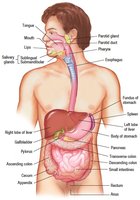
The digestive system breaks down food into nutrients and eliminates waste. It includes the mouth, pharynx, esophagus, stomach, intestines, and accessory organs (liver, pancreas, gallbladder).
Peristalsis moves food through the GI tract.
Accessory organs aid in digestion and absorption.
Common Disorders
Dental: Caries, periodontal disease
Stomach: GERD, ulcers, gastritis
Intestinal: IBS, polyps, cancer, constipation, diarrhea
Liver: Hepatitis, cirrhosis, gallstones
Infections: Food poisoning, parasitic worms
Laboratory Tests
Tissue biopsies, occult blood test
Bacterial cultures, O&P analysis
Blood analysis for liver and digestive function
Urinary System
Structure and Function
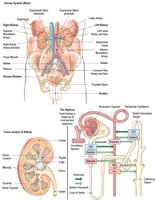
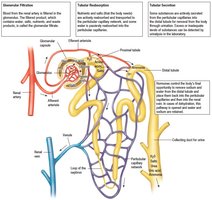
The urinary system includes the kidneys, ureters, bladder, and urethra. It regulates water, electrolytes, and removes waste products from the blood.
Maintains acid-base balance (normal blood pH: 7.35–7.45)
Excretes nitrogenous wastes (urea)
Common Disorders
Acidosis (pH < 7.35), alkalosis (pH > 7.45)
Kidney disease, nephritic syndrome, glomerulonephritis
Laboratory Tests
Urine dipstick, osmolality, GFR
Chemical analysis: albumin, creatinine, BUN, uric acid
Creatinine clearance for kidney function
Endocrine System
Structure and Function
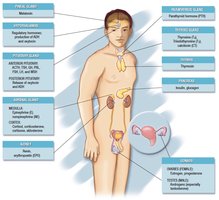
The endocrine system consists of ductless glands that secrete hormones directly into the bloodstream, regulating metabolism, growth, and homeostasis.
Major glands: Hypothalamus, pituitary, thyroid, parathyroid, thymus, adrenal, ovaries, testes
Exocrine glands secrete fluids via ducts (e.g., sweat, saliva)
Common Disorders
Addison's disease, Graves’ disease, Cushing’s syndrome
Diabetes mellitus and insipidus, thyroid disorders
Growth disorders: dwarfism, gigantism, acromegaly
Laboratory Tests
Hormone assays (glucose, insulin, cortisol, TSH, etc.)
Thyroid function tests
Reproductive System
Structure and Function
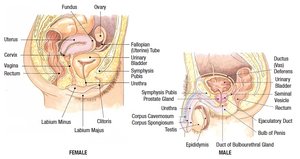
The reproductive system enables reproduction and hormone secretion. Male organs include testes, prostate, and penis; female organs include ovaries, uterus, and vagina.
Primary functions: Gamete production, hormone secretion, pregnancy, lactation
Gender identity and intersex conditions are recognized in modern health care
Common Disorders
Malignant tumors, cysts, infertility
STDs: Gonorrhea, herpes, syphilis, HIV
Gender dysphoria
Laboratory Tests
Fertility tests, semen analysis, hormone analysis
Blood tests, tissue biopsies, Pap smears, cultures
Laboratory Test Panels and Emerging Technology
Common Laboratory Panels
Basic metabolic panel: Ca, CO2, Cl, creatinine, glucose, K+, Na, BUN
Comprehensive metabolic panel: Includes liver enzymes, albumin, total protein
Cardiovascular screen: Cholesterol, HDL, triglycerides
Renal panel: Albumin, BUN, Ca, creatinine, phosphorus, K+, Na
Emerging Technology
Polymerase chain reaction (PCR) and genomic testing are expanding diagnostic capabilities.
Clinical laboratory professionals must be knowledgeable about specimen handling for diverse patient populations, including transgender individuals.
Staying current with new technologies and health threats (e.g., Zika virus, microbial resistance) is essential for health professionals.
