 Back
BackN1015 Middle & Older Adult - Class 14
Study Guide - Smart Notes
 Tailored notes based on your materials, expanded with key definitions, examples, and context.
Middle and Older Adult Health
Developmental Stages and Tasks
Middle adulthood (approximately ages 35-64) is characterized by significant developmental milestones and psychosocial tasks. This period is often marked by stability in relationships, occupation, and community involvement, but may also involve transitions and reassessment of values.
Erikson's Generativity vs. Stagnation: Focuses on contributing to society and helping the next generation versus feeling unproductive.
Piaget's Formal Operations: Advanced cognitive abilities, including abstract thinking.
Levinson's Midlife Transition: Reappraisal of life goals and relationships.
Tasks: Establishment in relationships, career, and community; enhanced coping skills; reassessment of relationships and values; adjustment to physiological changes; "Sandwich generation" responsibilities (caring for aging parents and children).
Example: A middle adult balancing work, family, and caregiving for elderly parents.
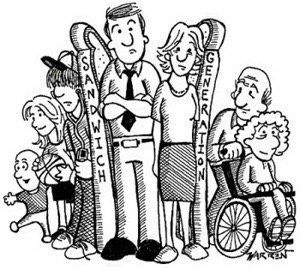
Work Role and Responsibilities
Work is a central aspect of middle adulthood, with occupational satisfaction closely linked to family satisfaction. Stress is heightened for women, especially single parents, those in two-career families, or those caring for both children and aging parents.
Key Point: Dissatisfaction in one area (work or family) often leads to compensation in the other.
Example: A single mother managing a demanding job and family responsibilities.

Health Promotion Strategies: Nurse’s Role
Nurses play a vital role in promoting health and well-being among middle adults, especially in the workplace.
Counseling and Education: Promote self-esteem and workplace satisfaction.
Advocacy: Address issues such as sexual harassment.
Workplace Programs: Stress management, fitness, health promotion information, supervised daycare.
Leisure Activities: Encourage participation for stress reduction.
Parenting Support: Provide resources and guidance.

Health Risks and Screening in Middle Adulthood
Unhealthy Lifestyles and Leading Causes of Death
As adults age, the consequences of unhealthy habits (e.g., smoking, drinking) become more apparent. The leading causes of death in this group include cancer, heart disease, accidents, and suicide.
Key Point: Increased difficulty in quitting long-term unhealthy habits as pressures rise.
Example: A middle adult struggling to quit smoking due to work and family stress.
Recommended Screening
Routine health screenings are imperative for middle adults, regardless of gender identity. Early detection of diseases can significantly improve outcomes.
Blood Pressure
Lipid Profile
Breast Cancer
Heart Disease/Stroke
Glaucoma
STIs (as needed)
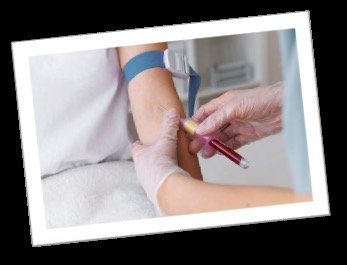
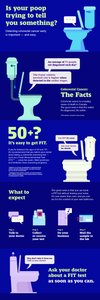
Fecal Immunochemical Test (FIT) for Colorectal Cancer: Recommended every 2 years for adults over 50 at average risk.
Gender and Health Care
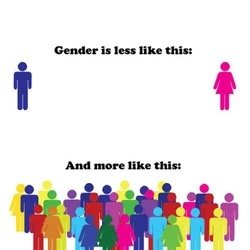
While many health systems use a gender binary, it is important to recognize that gender exists on a spectrum. Care should be individualized and evidence-based, ensuring gender-affirming practices.
Key Point: Nurses must use the most recent and relevant evidence to inform practice.
Women's Health in Middle Adulthood
Common Health Issues
Women in middle adulthood face unique health challenges, including increased longevity but higher rates of chronic conditions and disabilities.
Breast Health
Pap Tests (AFAB)
STI Counseling
Contraception
Nutrition/Weight Counseling
Eating Disorders
Menopause
Osteoporosis
Arthritis
Heart Disease/Hypertension

Screening Priorities
Pap Testing: For individuals assigned female at birth (AFAB).
Breast Screening: Mammogram every 2 years for ages 50-74 (not at increased risk); clinical breast exam not recommended but under review; breast health awareness encouraged.

Osteoporosis
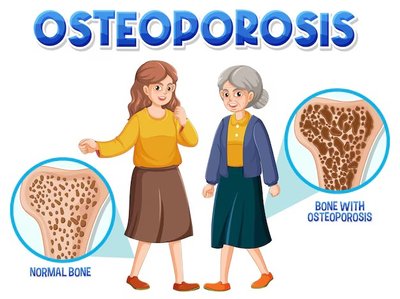
Osteoporosis is characterized by abnormal loss of bone density and deterioration of bone tissue, leading to increased fracture risk. It is most common in postmenopausal women, sedentary individuals, and those on long-term corticosteroids.
Preventative Measures: Calcium and vitamin D supplementation, healthy diet, sunlight exposure, weight-bearing exercises, balance training.
Example: A postmenopausal woman engaging in regular exercise and taking calcium supplements.


Men's Health in Middle Adulthood
Common Health Issues
Men in middle adulthood generally have a shorter life span than women, with many health issues related to lifestyle.
Testicular Cancer (AMAB)
Prostate Diseases: Benign hyperplasia, prostatitis, malignant prostatic hyperplasia (AMAB)
HIV/AIDS
Heart Disease
Hypertension
Screening Priorities
Prostate-Specific Antigen (PSA) Testing: Not routinely recommended; discuss with doctor at age 50 or earlier if at higher risk (e.g., African descent, family history, BRCA gene).
Testicular Self-Exam: Important for early detection of testicular cancer.
Occupational Health and Healthy Workplaces
Occupational Health
Employment often continues through middle adulthood, with occupational hazards posing risks of illness, injury, and death. The workplace is a key arena for health promotion.
Routine Exams: For workers in hazardous areas.
Education: About workplace hazards.
Mental Health Counseling: Especially in high-stress areas.
Participation: In safety committees and organizational wellness programs.
Workplace Factors: Physical, chemical, biologic, ergonomic, psychosocial.



Levels of Occupational Health
There are three levels of occupational health promotion: awareness, lifestyle change, and supportive environment.
Awareness: Education about risks and healthy practices.
Lifestyle Change: Encouraging healthy behaviors.
Supportive Environment: Creating a culture that supports health and safety.

Levels of Prevention
Primary Prevention
Primary prevention aims to prevent disease before it occurs through healthy lifestyle promotion, immunization, and risk factor education.
Healthy Eating/Nutrition/Exercise
Social Support/Parenting Support
Stress Reduction
Immunization: Influenza (yearly), Herpes Zoster (age 50+), Pneumococcal (high risk adults 18-64), COVID.
Physical Activity: At least 150 minutes of moderate to vigorous activity per week, increasing gradually.


Secondary Prevention
Secondary prevention focuses on early detection and intervention through screening.
Cholesterol Screening
Breast Screening
Pap Test
Bone Density Screening
Glucose Screening
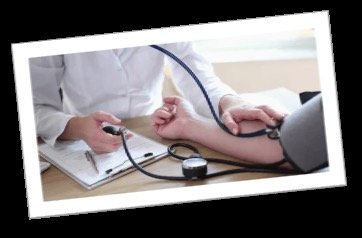
Blood Pressure Checks
Testicular Self-Exam Promotion
Education about Prostate Screening
Tertiary Prevention
Tertiary prevention aims to reduce the impact of established disease through rehabilitation and ongoing care.
Cardiac Rehabilitation
Counseling after Mental Health Crises
Care for HIV+ Clients
Post-Mastectomy Care
Counseling for Abuse/Assault
Kegel Exercises/Bladder Repair
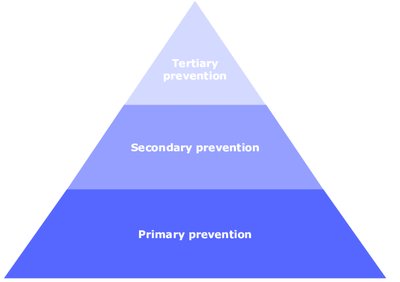
Summary Table: Levels of Prevention
Level | Purpose | Examples |
|---|---|---|
Primary | Prevent disease before it occurs | Healthy lifestyle, immunization, education |
Secondary | Early detection and intervention | Screening tests, regular check-ups |
Tertiary | Reduce impact of established disease | Rehabilitation, ongoing care, counseling |
Key Formulas and Equations
Body Mass Index (BMI):
Blood Pressure Categories:
Additional info: Academic context was added to clarify developmental theories, screening guidelines, and prevention levels. All images included are directly relevant to the adjacent content and reinforce key concepts.
