 Back
BackPersonal Health in Young Adulthood: Development, Challenges, and Health Promotion
Study Guide - Smart Notes
 Tailored notes based on your materials, expanded with key definitions, examples, and context.
Young Adult Health: Developmental Concepts and Challenges
Developmental Concepts
Young adulthood (ages 18–35) is a critical period for establishing lifelong health behaviors, relationships, and occupational identity. This stage is characterized by unique generational traits and developmental tasks.
Erikson's Theory: Intimacy vs. Isolation – Young adults seek close relationships and may experience loneliness if unsuccessful.
Kohlberg's Moral Development: Postconventional reasoning – Ability to make ethical decisions based on personal principles.
Piaget's Cognitive Development: Formal operational thought – Abstract reasoning and executive decision-making are more developed.
Gordon's Functional Health Patterns: Cognitive-perceptual – Enhanced executive decision-making.
Generational Differences: Gen Y (Millennials) are technology/media savvy; Gen Z is tech-reliant and resourceful, often experiencing high stress.
Example: A young adult may be navigating career choices, forming intimate relationships, and starting a family, all while developing personal values and coping strategies.


Health Issues in Young Adulthood
Young adulthood is typically the healthiest stage of life, but it presents unique risks and health concerns.
Morbidity and Mortality: Leading causes include injuries (motor vehicle accidents), suicide, overdoses, influenza, HIV, malignancies (breast, testicular), hepatitis C, and HPV.
Health Promotion: Screening for cardiovascular disease, developing positive health behaviors, and accident prevention are essential.
Example: Regular screening for sexually transmitted infections (STIs) and cardiovascular risk factors is recommended for young adults.

Anxiety in Young Adults
Definition and Characteristics
Anxiety is a subjectively distressful experience triggered by perceived threats, with both psychological and physiological components. It can be episodic or chronic, mild or severe, adaptive or impairing, and may present as a symptom or a disorder.
Etiology: Psychological (stress, trauma) and physiological (genetic, neurochemical) factors.
Expression: Emotional distress, physical symptoms (e.g., increased heart rate), and behavioral changes.
Example: A young adult experiencing anxiety may have difficulty coping with academic or occupational pressures.
Major Health Issues: Suicide and Substance Use
Suicide
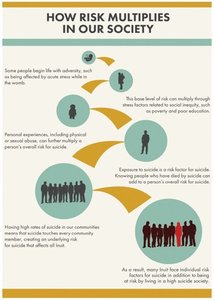
Suicide is the second leading cause of death among young adults. Risk factors include inability to cope with adult pressures, interpersonal conflicts, mental health issues, and self-destructive behaviors.
Indigenous Young Adults: Suicide rates are 3–6 times higher due to colonialism, discrimination, community disruption, loss of culture/language, intergenerational trauma, and environmental hazards.
Prevention Strategies: National Inuit Suicide Prevention Strategy, community support, and addressing social determinants of health.
Example: Community-based programs that promote hope, purpose, and belonging are effective in suicide prevention for Indigenous populations.


Nursing Interventions for Suicide Prevention
Nurses play a vital role in identifying at-risk individuals, investigating relationship patterns, making referrals, and providing resources for suicide assessment and prevention.
Key Interventions: Addressing disparities in social determinants of health, promoting hope and belonging, and supporting community initiatives.
Substance Use and Addictions
Substance use habits formed in young adulthood can persist throughout life. Common issues include alcohol (binge drinking), prescription/illegal drugs, gambling, and cannabis use.
Health Consequences: Increased mortality, overdoses, hepatitis, fetal effects, and social/physical health problems.
Prevention: Information on adverse effects, education, prenatal counseling, and strategies for ending habits.
Example: Health promotion campaigns targeting young adults can reduce substance use and its associated risks.
Reproductive Health
Key Issues
Young adults often make decisions about starting families, fertility, contraception, and safer sex. Sexual/gender identity and STI prevention are important topics.
Contraception: Various methods are available; see referenced tables for details.
STIs: Awareness and prevention campaigns are crucial.
Example: Mass media campaigns like "Take Care Down There" promote safe sexual practices and early prenatal education.

Health Promotion Efforts
Mass media promotion of safe sexual practices
HIV/AIDS & STI awareness campaigns
Early prenatal education
Support for single parents (social support, public policy)
Parenting and Family Health
Promoting Healthy Parenting
Many young adults are unprepared for parenting. Health promotion focuses on parental attachment, tasks, strategies for achievement, and addressing parenting issues.
Changing Family Structures: Support for diverse family forms is essential.
Example: Parenting classes and counseling can improve parental attachment and child outcomes.



Intimate Partner Violence
Definition and Prevalence
Intimate partner violence (IPV) is the most underreported form of abuse and affects all demographics. Two-thirds of victims are female, with Indigenous women at higher risk.
Health Promotion: Education, identification, counseling, and prevention of bullying, dating violence, and sexual violence.
Example: Domestic violence help lines and community resources support victims and raise awareness.
Diet, Exercise, and Lifestyle
Healthy Habits
Unhealthy eating habits and weight concerns are common in young adulthood. Recommended guidelines include 150 minutes of vigorous activity weekly, sufficient sleep, and limited sedentary time. Muscle strength-building exercises are emphasized.
Screening: BMI and other health indicators are used, though BMI has limitations.
Nutrition: Iron deficiency and risks from radiation/excessive sun exposure should be addressed.
Example: Regular physical activity and balanced nutrition reduce chronic disease risk.

Immunizations and Preventive Health
Recommended Immunizations
Young adults should receive Tdap, Td, rubella (for child-bearing women), influenza, COVID, and other vaccines as appropriate for travel or workplace.
HPV Vaccine: Recommended for young women through age 45 and young men through age 26 if not previously vaccinated.
Women's Health in Young Adulthood
Key Issues
Women's health concerns include breast health, Pap tests (for those assigned female at birth), STI counseling, contraception, nutrition, and healthy relationships with food.
Folic Acid: 0.4–0.6 mg daily recommended for women of childbearing age.
Breast Health Awareness: Contact healthcare provider for lumps, nipple changes, fluid leakage, skin changes, persistent pain, or changes in breast shape.
Example: Early detection and awareness campaigns improve outcomes for breast and cervical cancer.
Men's Health in Young Adulthood
Key Issues
Men's health concerns include testicular cancer, HIV/AIDS, HPV, and lifestyle-related issues. Wellness clinics offer screening for blood pressure, height, weight, dietary counseling, and colorectal screening if family history exists.
Testicular Self-Exam: Regular self-examination is recommended for early detection of testicular cancer.
Example: Educational resources and wellness clinics support men's health and early detection of disease.
Summary Table: Health Issues and Promotion in Young Adulthood
Health Issue | Promotion/Prevention | Recommended Actions |
|---|---|---|
Suicide | Community support, mental health resources | Screening, counseling, addressing social determinants |
Substance Use | Education, social marketing, counseling | Information campaigns, support groups |
Reproductive Health | Safe sex promotion, STI awareness | Contraception, prenatal education |
Diet & Exercise | Physical activity guidelines, nutrition education | Screening, lifestyle management |
Immunizations | Vaccine awareness | Tdap, Td, HPV, influenza, COVID |
Women's Health | Breast health awareness, folic acid supplementation | Pap tests, mammograms, nutrition counseling |
Men's Health | Testicular self-exam, wellness clinics | Screening, dietary counseling |
