 Back
BackPersonal Health Study Guide: Cardiovascular, Infectious Diseases, Diabetes, and Reproductive Health
Study Guide - Smart Notes
 Tailored notes based on your materials, expanded with key definitions, examples, and context.
Cardiovascular Disease
Types of Cardiovascular Disease
Cardiovascular diseases are a group of disorders affecting the heart and blood vessels. Understanding their classification is essential for prevention and management.
Coronary Heart Disease: Disease of blood vessels supplying the heart muscle.
Cerebrovascular Disease: Disease of blood vessels supplying the brain.
Peripheral Arterial Disease: Disease of blood vessels supplying arms and legs.
Rheumatic Heart Disease: Damage from rheumatic fever, caused by streptococcal bacteria.
Congenital Heart Disease: Malformations present at birth.
Deep Vein Thrombosis and Pulmonary Embolism: Blood clots in leg veins that may travel to the heart and lungs.

Etiology of Cardiovascular Disease
Etiology refers to the study of disease causes. Cardiovascular disease arises from both intrinsic and extrinsic factors.
Intrinsic: Genetic, psychological, internal causes.
Extrinsic: Infectious disease, environmental exposure.

Risk Factors for Coronary Artery Disease
Coronary artery disease (CAD) is influenced by modifiable and non-modifiable risk factors.
Modifiable: Smoking, raised cholesterol, chronic inflammation, obesity, metabolic disease, waist circumference.
Non-modifiable: Age, gender, ethnicity, family history.

Heart Anatomy and Function
The heart is a muscular organ with four chambers and two pumps, responsible for circulating blood throughout the body.
Right Side: Receives deoxygenated blood and pumps it to the lungs.
Left Side: Receives oxygenated blood from the lungs and pumps it to the body.
Chambers: Each side has an atrium and a ventricle.
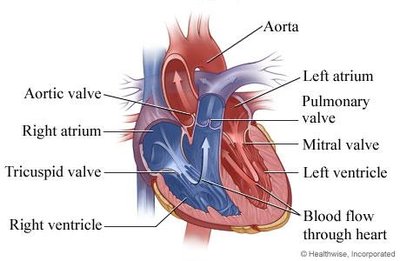
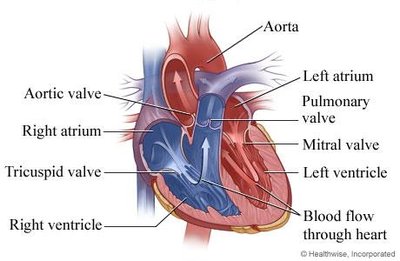
Heart Valves
Valves ensure unidirectional blood flow and prevent backflow.
Atrioventricular Valves: Tricuspid (right), Mitral (left).
Semilunar Valves: Pulmonary (right), Aortic (left).
Pericardium and Heart Wall Layers
The pericardium is a sac enclosing the heart, reducing friction during movement. The heart wall consists of three layers:
Endocardium: Smooth inner lining.
Myocardium: Muscular middle layer.
Epicardium: Thin outer layer.
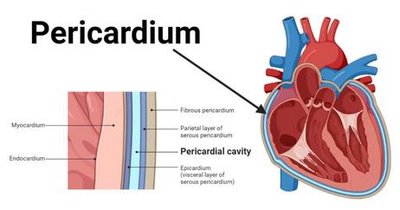
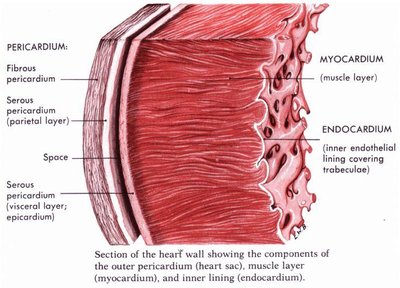
Electrical Activity of the Heart
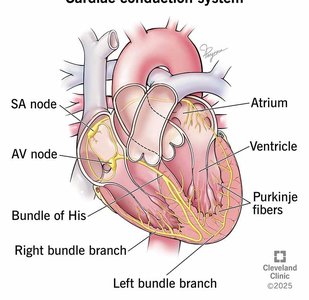
Heart contraction is coordinated by specialized structures:
Sinoatrial Node (SA): Initiates heartbeat.
Atrioventricular Node (AV): Delays impulse.
Bundle of His and Purkinje Fibers: Distribute impulse to ventricles.
Autonomic Control of Circulation
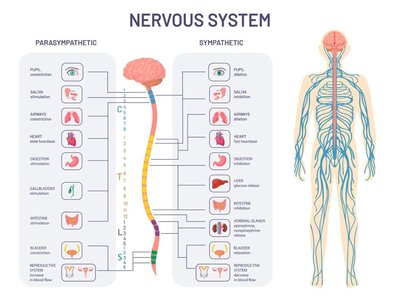
The autonomic nervous system regulates heart rate and contractility.
Sympathetic: Increases heart rate and contractility.
Parasympathetic: Slows heart rate via the vagus nerve.
Cardiac Cycle and Output
The cardiac cycle consists of systole (contraction) and diastole (relaxation). Cardiac output is the volume of blood pumped per minute.
Formula:
Blood Vessels and Blood Pressure
Blood vessels include arteries, capillaries, and veins, each with distinct functions. Blood pressure is the force exerted on vessel walls.
Normal Blood Pressure: 90/60 to 120/80 mmHg.
Key Variables: Cardiac output, compliance, blood volume, viscosity, vessel length/diameter.
Major Diseases: Atherosclerosis, Angina, Stroke, Diabetes
Atherosclerosis
Atherosclerosis is the buildup of fatty plaques in arteries, leading to reduced blood flow and increased risk of heart attack and stroke.
Stable Plaques: Thick fibrous cap, macrocalcifications.
Unstable Plaques: Thin cap, microcalcifications, prone to rupture.
Angina and Myocardial Infarction
Angina is chest discomfort due to reduced blood flow. Myocardial infarction (heart attack) occurs when blood flow is blocked, causing cell death.
Stable Angina: Occurs with exertion, relieved by rest.
Unstable Angina: Occurs at rest, higher risk.
Stroke (Cerebrovascular Accident)
Stroke is a sudden interruption of cerebral blood flow, causing neurological deficits.
Ischemic Stroke: Blocked blood vessel (80%).
Hemorrhagic Stroke: Vessel rupture (20%).
Transient Ischemic Attack (TIA): Temporary symptoms, no infarction.
Diabetes Mellitus
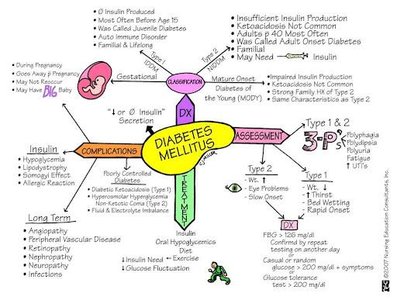
Diabetes is a group of disorders characterized by abnormal blood glucose regulation due to insulin deficiency or resistance.
Type 1 Diabetes: Autoimmune destruction of beta cells, absolute insulin deficiency.
Type 2 Diabetes: Insulin resistance, often associated with obesity and lifestyle factors.
Gestational Diabetes: Occurs during pregnancy, increases risk for mother and child.
Infectious Diseases
Pathogens and Types
Infectious diseases are caused by microorganisms (pathogens) such as bacteria, viruses, fungi, parasites, and protozoa.
Bacteria: Cocci (round), Bacilli (rods), Vibrios (curved), Spirilla, Spirochetes.
Viruses: Small infectious agents.
Fungi: Molds and yeasts.
Parasites: Organisms colonizing the body.
Protozoa: Single-celled animals.
Tuberculosis (TB)
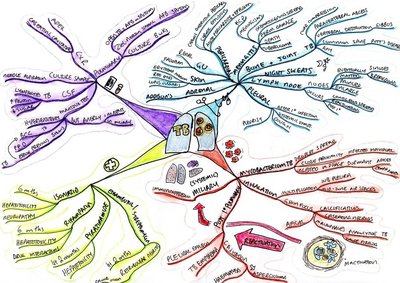
Tuberculosis is a bacterial infection caused by Mycobacterium tuberculosis, primarily affecting the lungs but can spread systemically.
Transmission: Airborne droplets, contaminated milk.
Risk Factors: Immunocompromised state, tobacco, alcohol, malnutrition, diabetes.
Active TB: Symptoms include cough, fever, weight loss, night sweats.
Latent TB: No symptoms, not contagious, can progress if immunity weakens.
Reproductive Health
Spermatogenesis and Oogenesis
Reproductive health includes the processes of gamete formation and physiological changes during pregnancy.
Spermatogenesis: Production of sperm in seminiferous tubules, activated at puberty.
Oogenesis: Formation of oocytes during fetal development, maturation at puberty.
Pregnancy and Complications
Pregnancy involves hormonal changes, increased blood volume, and risk of complications such as pre-eclampsia, prolonged labor, and postpartum hemorrhage.
Pre-eclampsia: New onset hypertension and proteinuria after 20 weeks.
Obstetric Fistula: Internal injury causing incontinence.
Postpartum Hemorrhage: Excessive bleeding after childbirth.
Early Child Nutrition and Breastfeeding
Nutrition in the first 1,000 days is critical for child health. Breastfeeding is recommended exclusively for the first 6 months.
Advantages: Reduces risk of malnutrition, infection, and chronic diseases.
WHO Recommendations: Early initiation, exclusive breastfeeding for 6 months, continued up to 2 years.
Preventative Health and Health Disparities
Prevention Strategies
Prevention is categorized as primordial, primary, secondary, and tertiary, targeting different stages of disease development.
Primordial: Population-wide risk reduction.
Primary: Prevent disease occurrence.
Secondary: Early detection and intervention.
Tertiary: Reduce complications in established disease.
Health Disparities and Determinants
Health disparities are linked to socioeconomic status, race, gender, access to education, and political determinants. Addressing these is essential for health equity.
Socioeconomic Status: Education, income, occupation.
Political Determinants: Policy, access to care, social support.
Health Equity: Eliminating disparities for optimal health.
Summary Table: Types of Prevention
Type | Target | Purpose | Examples |
|---|---|---|---|
Primordial | Population | Reduce risk factors | Urban planning, policy |
Primary | Healthy individuals | Prevent disease | Vaccination, lifestyle programs |
Secondary | Subclinical disease | Early detection | Screenings, check-ups |
Tertiary | Established disease | Reduce complications | Rehabilitation, follow-up |
Additional info:
Images included are directly relevant to the explanation of cardiovascular anatomy, diabetes, tuberculosis, and prevention strategies.
Academic context expanded for completeness and clarity.
