 Back
BackN1015 Primary Health Care - Class 4
Study Guide - Smart Notes
 Tailored notes based on your materials, expanded with key definitions, examples, and context.
Primary Health Care (PHC) and Healthy Public Policy
Introduction to Primary Health Care (PHC)
Primary Health Care (PHC) is a principle-based, comprehensive approach to health services delivery, spanning from birth to death and across all care settings. It places individuals at the center of care and aims to improve population health through health promotion and prevention.
Definition: PHC is a model for implementing health promotion and population health, emphasizing empowerment and resource optimization.
Interprofessional Team: PHC is delivered by a coordinated team of health professionals to ensure continuity of care.
Scope: Includes health promotion, prevention, treatment, emergency services, mental health, palliative care, maternity care, rehabilitation, specialist referrals, and hospital care.
Primary Care: A component of PHC focused on community-based clinical services, including prevention, diagnosis, treatment, and management of health conditions.
Population Health: PHC is a method to deliver public health and health promotion to populations.

Principles of Primary Health Care
The principles of PHC guide the delivery of equitable and effective health services. These principles are essential for achieving health for all and addressing health inequalities.
Accessibility: Health services must be affordable and available to all, regardless of ability to pay or geographic location.
Active Public Participation: Community members are involved in planning and delivering services, fostering community development and empowerment.
Health Promotion and Chronic Disease Prevention: Emphasizes prevention and health promotion over curative approaches, using an upstream model to address root causes.
Technology and Innovation: Appropriate, effective, and sustainable technology should be accessible to all, shifting from high-tech hospital care to community-based services.
Intersectoral Cooperation and Collaboration: Collaboration across sectors (education, environment, justice) and disciplines is vital for integrated health services.

Accessibility in PHC
Accessibility ensures that essential health services and determinants of health are available to everyone, regardless of socioeconomic or geographic barriers.
Right Provider, Right Care: PHC ensures care is delivered by the appropriate provider at the right time and place.

Active Public Participation
Community involvement is central to PHC, with health professionals partnering with communities to assess needs and develop resources.
Community Development: Collaborative process to identify and address collective needs for positive change.
Health Promotion and Chronic Disease Prevention
Health promotion empowers individuals to improve their health by focusing on prevention and addressing upstream determinants.
Upstream Approach: Targets root causes of illness rather than only treating symptoms.
Health Promotion: Enabling people to increase control over their health through policy, environment, community action, skill development, and system re-orientation.
Technology and Innovation in PHC
Technology in PHC should be effective, acceptable, affordable, and sustainable, supporting community-based care.
Appropriate Technology: Includes people, procedures, equipment, drugs, and resources tailored to local needs.
Intersectoral Cooperation and Collaboration
PHC requires collaboration across sectors and disciplines to address the broad determinants of health and deliver integrated services.
Integrated Services: Providers from different sectors work interdependently to meet health needs.

Local Examples of PHC in Action
Examples include the Bonavista Primary Health Care Clinic, NL Virtual Care Program, and Family Care Teams NL, which improve access and quality of care through team-based and virtual services.
Healthy Public Policy
Definition and Philosophy
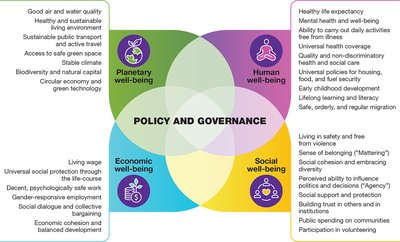
Healthy public policy involves government actions that explicitly consider health and equity, aiming to create supportive environments for healthy living.
Social Justice and Equity: Policies address root causes of ill-health and promote community participation.
Sustainability: Approaches must be affordable and appropriate to local needs.

Challenges and Difficulties in Health Promotion and PHC
Health promotion faces challenges such as lack of understanding among policymakers, difficulty in evaluating outcomes, and barriers to community development. PHC challenges include resource limitations, professional silos, and long-term evaluation needs.
Social Determinants of Health: Factors like income, education, and environment must be considered in health promotion.
Participation Burnout: Sustained community involvement can be difficult to maintain.
Role of Nurses in PHC
Nurses as Key PHC Providers
Registered Nurses (RNs), Community Health Nurses, and Nurse Practitioners are guided by PHC concepts and possess the holistic knowledge and skills necessary for PHC delivery.
Holistic Practice: RNs address physical, mental, and social health needs.

Social Marketing in Health Promotion
Definition and Strategies
Social marketing applies commercial marketing principles to promote healthful behaviors and improve personal and societal welfare.
Key Strategies: Social modeling, imagery, environment, competition, and branding.
Examples: Campaigns like "Just do it!" and "Eat Fresh" use branding to influence behavior.
Social Marketing Plan
A social marketing plan includes research, audience segmentation, objectives, strategy, and evaluation, guided by the 5 P's: product, price, place, promotion, and policy.
Product: Desired social action and benefits.
Price: Costs and obstacles for the audience.
Place: Accessibility of behavior change.
Promotion: Methods to reach the audience.
Policy: Rule changes to support behavior change.

Ethical Principles in Health Promotion
Ethical Foundations
Ethical principles guide health promotion practice, ensuring safe, compassionate, competent, and ethical care. They provide a foundation for professional standards and advocacy.
Autonomy/Self-Determination: Respecting individuals' rights to make their own decisions.
Informed Consent: Ensuring individuals understand and agree to interventions.
Confidentiality: Protecting personal health information.
Veracity: Commitment to truthfulness.
Nonmaleficence: Avoiding harm.
Beneficence: Promoting good.
Justice: Ensuring fairness and equity.
Summary Table: Principles of PHC
Principle | Description | Example |
|---|---|---|
Accessibility | Equitable access to health services | Virtual care programs for remote areas |
Active Public Participation | Community involvement in planning | Community health boards |
Health Promotion | Focus on prevention and empowerment | Smoking cessation campaigns |
Technology & Innovation | Appropriate, sustainable technology | Telehealth services |
Intersectoral Cooperation | Collaboration across sectors | Health and education partnerships |
