 Back
BackStates of Consciousness and Sleep: Study Notes for Personal Health
Study Guide - Smart Notes
 Tailored notes based on your materials, expanded with key definitions, examples, and context.
States of Consciousness
Levels of Consciousness
Consciousness refers to our awareness of internal and external stimuli. It is a fundamental aspect of psychological health and is essential for understanding how we interact with our environment and ourselves.
Internal stimuli: Includes sensations such as pain, hunger, thirst, sleepiness, and awareness of thoughts and emotions.
External stimuli: Includes sensory experiences such as seeing light, feeling warmth, and hearing sounds.
Sleep: A state characterized by low physical activity and reduced sensory awareness, distinct from wakeful rest.
Wakefulness: Marked by high sensory awareness, active thought, and behavior.
Intermediate states: Includes daydreaming, intoxication, and unconsciousness due to anesthesia.
Example: Talking in your sleep is an example of altered consciousness where internal awareness may be present but external awareness is reduced.
Dissociation
Dissociation is the separation of certain aspects of mental functioning from conscious awareness, which can lead to mental dysfunction. It is important to distinguish dissociation from other altered states of consciousness, such as meditation or intoxication.
Definition: Dissociation involves a disruption in the normal integration of thoughts, feelings, and experiences into conscious awareness.
Assessment: Tools such as the Dissociation Experiences Scale (DES) can help measure dissociative symptoms.
Example: Experiencing a near-death event or anesthesia can lead to dissociative states.

Circadian Rhythms and Sleep
Circadian Rhythms
Circadian rhythms are natural, internal processes that regulate the sleep-wake cycle and repeat roughly every 24 hours. They are crucial for maintaining healthy sleep patterns and overall well-being.
Regulation: Circadian rhythms are influenced by environmental cues such as light and temperature.
Disruption: Shift work, travel across time zones, and irregular sleep schedules can disrupt circadian rhythms, leading to sleep problems.
Example: Jet lag is a common result of circadian rhythm disruption.
Recommended Sleep Duration
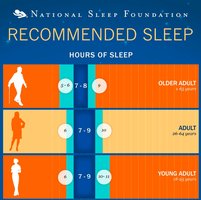
The amount of sleep needed varies by age and individual health. Adequate sleep is essential for psychological and physiological health.
Older adults (65+ years): 7–8 hours
Adults (18–64 years): 7–9 hours
Young adults (18–25 years): 7–9 hours
Sleep Debt
Sleep debt occurs when an individual does not get sufficient sleep over a period of time. Chronic sleep debt can have significant negative effects on both mental and physical health.
Consequences: Decreased alertness, reduced mental efficiency, impaired mood, and increased risk of health problems.
Sleep deprivation: Prolonged lack of sleep can lead to serious psychological and physiological consequences.
Example: Students who consistently sleep less than recommended may experience difficulty concentrating and increased stress.
Sleep Problems and Disorders
Common Sleep Problems
Sleep problems can range from difficulty falling asleep to disorders that significantly impact health and daily functioning.
Insomnia: Difficulty falling or staying asleep.
Sleep apnea: Interrupted breathing during sleep.
Restless leg syndrome: Uncomfortable sensations in the legs leading to an urge to move them.
Narcolepsy: Sudden sleep attacks during the day.
Example: Chronic insomnia can lead to increased risk of depression and anxiety.
Hormone Secretions Associated with Sleep
Several hormones play a role in regulating sleep and wakefulness.
Melatonin: Produced by the pineal gland, melatonin helps regulate sleep-wake cycles.
Cortisol: Levels decrease during sleep and rise before waking, helping to promote alertness.
Growth hormone: Released during deep sleep, important for tissue repair and growth.
Example: Exposure to light at night can suppress melatonin production, making it harder to fall asleep.
Meditation and Consciousness
The Power of Meditation
Meditation is a practice that can alter states of consciousness, promote relaxation, and improve psychological health.
Benefits: Reduces stress, enhances focus, and improves emotional regulation.
Types: Mindfulness, transcendental, and guided meditation are common forms.
Example: Regular meditation can help manage anxiety and improve sleep quality.
Summary Table: Sleep Recommendations by Age
Age Group | Recommended Hours of Sleep |
|---|---|
Older Adult (65+ years) | 7–8 |
Adult (18–64 years) | 7–9 |
Young Adult (18–25 years) | 7–9 |
