 Back
BackTeaching and Learning in Personal Health: Patient Education, Health Literacy, and Effective Strategies
Study Guide - Smart Notes
 Tailored notes based on your materials, expanded with key definitions, examples, and context.
Teaching and Learning in Health Education
Introduction to Patient and Health Education
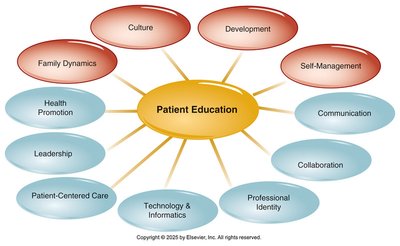
Patient education and health education are foundational concepts in personal health, focusing on empowering individuals and communities to make informed health decisions. Health literacy is a critical component, enabling individuals to access, understand, and use health information effectively.
Patient Education: A process that helps healthcare consumers incorporate health-related behaviors (knowledge, skills, attitudes) into daily life to achieve optimal health.
Health Education: Any combination of learning experiences designed to improve health by increasing knowledge or influencing attitudes.
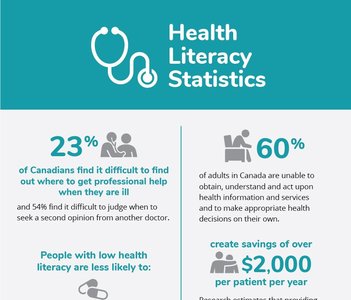
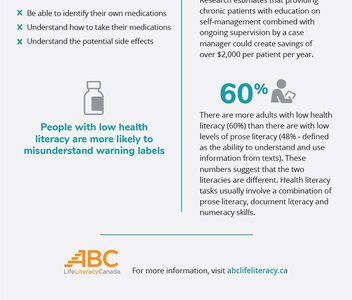
Health Literacy: The ability to find, access, read, and understand reliable health information and use it to make informed health decisions.
Goals of Health Education
Purpose and Outcomes
The primary goals of health education are to maintain and promote health, prevent illness, restore health, and help individuals cope with impaired function. Improving health literacy and empowering individuals are central to these goals.
Maintaining and Promoting Health
Preventing Illness
Restoring Health
Coping with Impaired Function
Empowerment: Enabling individuals to take control of their health decisions.
Principles of Teaching and Learning
Key Principles
Effective teaching and learning in health education are guided by several principles that ensure the process is learner-centered and outcome-oriented.
Learner Readiness: Assessing if the learner is prepared to engage in the learning process.
Learner Perceptions: Understanding how learners view the material and process.
Learner Involvement: Involving learners in setting goals and planning activities.
Success as a Motivator: Using achievement to encourage further learning.
Range of Challenge: Providing tasks that are neither too easy nor too difficult.
Knowledge of Progress: Giving feedback on learning progress.
Rewarding Behaviors: Reinforcing positive learning behaviors.
Inquiry Approaches: Encouraging exploration rather than passive instruction.
Practice: Learning is enhanced by supervised, functional practice.
Factors Influencing Teaching and Learning
Determinants of Effective Learning
Several factors impact the effectiveness of teaching and learning in health education, including the characteristics of the material, teacher, learner, environment, and strategies used.
Material to be Learned
Teacher Characteristics
Learner Characteristics
Environmental Factors
Teaching Strategies
Domains of Learning
Categories of Learning Activities
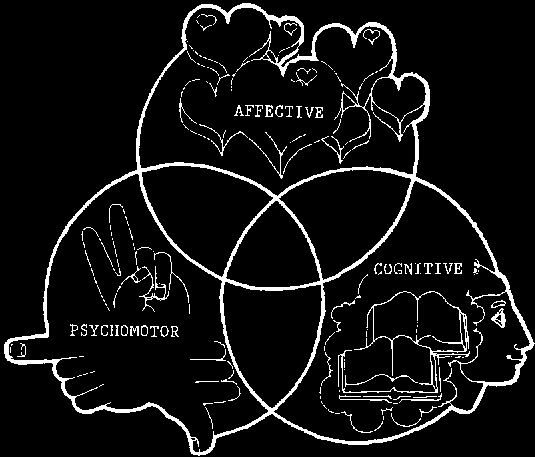
Learning activities are organized into three domains, each representing a different aspect of learning complexity and focus.
Cognitive Domain: Intellectual skills such as knowledge, comprehension, application, synthesis, and evaluation.
Affective Domain: Learning related to feelings, emotions, values, interests, and beliefs.
Psychomotor Domain: Skills requiring integration of mental and motor activity (e.g., perception, guided response).
Teacher Characteristics and Teaching Styles
Effective Teaching in Health Education
Teachers must possess strong subject knowledge, organizational skills, and the ability to assess learner needs. Teaching styles influence the learning environment and outcomes.
Autocratic Style: Teacher makes all decisions; useful in crisis but not ideal for health teaching.
Democratic Style: Learner participates in goal setting and decision-making; effective for health teaching.
Laissez-faire Style: Learner decides what and how to learn; effective for motivated or well-educated groups.
Learner Characteristics and Readiness
Assessing Learner Needs
Learner characteristics such as ability, readiness, developmental stage, communication skills, motivation, and cultural background must be considered for effective teaching.
Emotional Readiness: Emotional state (e.g., anxiety, grief) affects readiness to learn.
Physical Readiness: Physical status (e.g., pain, fatigue) can limit learning capacity.
Intellectual Readiness: Cognitive ability and clarity of thought are essential for learning.
Learning Styles
Preferred Ways of Processing Information
Individuals have different learning styles, which influence how they best process and retain information. Recognizing and adapting to these styles enhances learning outcomes.
Visual Learners: Learn best by seeing, watching demonstrations, and organizing information visually.
Auditory Learners: Learn best through verbal instruction and discussion.
Kinesthetic Learners: Learn best by doing, hands-on involvement, and physical activity.

Teaching Approaches and Methods
Strategies for Effective Health Teaching
Various approaches and methods can be used to facilitate learning, tailored to the needs and preferences of the learner.
Approaches: Telling, selling, participating, entrusting, reinforcing.
Methods: One-on-one discussion, group instruction, preparatory instruction, demonstration, analogies, role playing, simulation.
Barriers: Illiteracy, learning disabilities, sensory alterations, low health literacy.
Applying the Nursing Process to Health Teaching
Structured Approach to Teaching
The nursing process provides a systematic framework for planning and implementing health teaching. It ensures that teaching is individualized and outcome-focused.
Nursing Process | Teaching Process |
|---|---|
Assessment | Determine motivation, learning needs, ability to learn, and resources |
Nursing Diagnosis | Identify learning needs in cognitive, affective, and behavioral domains |
Planning | Set learning objectives, identify priorities, choose teaching methods |
Implementation | Actively involve client in teaching |
Evaluation | Assess outcomes, measure retention, reinforce as needed |
Assessment of Learner Characteristics and Needs
Key Factors to Consider
Assessment is crucial for tailoring health education to individual needs. Factors include age, education level, health beliefs, readiness to learn, current knowledge and skills, and barriers or facilitators to learning.
Capabilities
Health Promotion or Risk Reduction Needs
Knowledge Level
Motivation
Barriers/Facilitators
