 Back
BackN1015 Teaching & Learning - Class 7
Study Guide - Smart Notes
 Tailored notes based on your materials, expanded with key definitions, examples, and context.
Teaching and Learning in Health Education
Definitions and Key Concepts
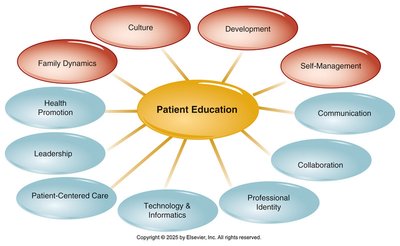
Understanding teaching and learning in health contexts is essential for promoting optimal health outcomes. This section introduces foundational definitions and concepts relevant to patient education, health education, and health literacy.
Patient Education: A process that assists healthcare consumers in incorporating health-related behaviors (knowledge, skills, attitudes) into daily life to achieve optimal health.
Health Education: Any combination of learning experiences designed to help individuals and communities improve their health by increasing knowledge or influencing attitudes.
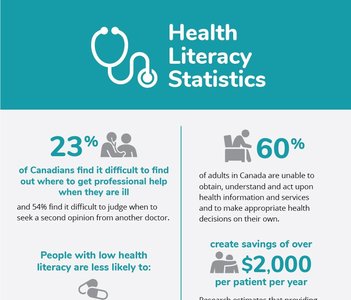
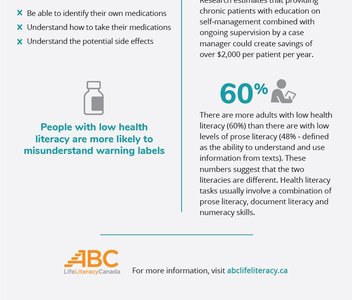
Health Literacy: The ability to find, access, read, and understand reliable health information and use it to make informed health decisions.
Goals of Health Education
The primary goals of health education are to maintain and promote health, prevent illness, restore health, and empower individuals to cope with impaired function. Improving health literacy is a central objective.
Maintaining and Promoting Health: Encouraging healthy behaviors and preventive practices.
Restoring Health: Supporting recovery and rehabilitation.
Coping with Impaired Function: Assisting individuals in adapting to chronic conditions or disabilities.
Empowerment: Enabling individuals to take control of their health decisions.
Principles of Teaching and Learning
Core Principles
Effective teaching and learning in health education are guided by several principles that ensure the process is learner-centered and outcome-oriented.
Learner Readiness: Assessing if the learner is prepared to engage in learning activities.
Learner Perceptions: Understanding how learners view the material and its relevance.
Learner Involvement: Encouraging active participation in goal setting and planning.
Success as a Motivator: Using achievement to motivate further learning.
Range of Challenge: Providing tasks that are appropriately challenging.
Knowledge of Progress: Offering feedback on learning progress.
Rewarding Behaviors: Reinforcing positive learning behaviors.
Inquiry Approaches: Promoting exploration and questioning rather than passive instruction.
Supervised Practice: Ensuring learning is practiced in a functional educational experience.
Factors Influencing Teaching and Learning
Key Influences
Several factors impact the effectiveness of teaching and learning in health education, including characteristics of the material, teacher, learner, environment, and strategies used.
Material to be Learned: Complexity and relevance of content.
Teacher Characteristics: Knowledge, assessment skills, teaching style, and organizational abilities.
Learner Characteristics: Readiness, learning style, developmental stage, communication skills, motivation, cultural background, and social determinants of health.
Environment: Physical and social factors affecting learning.
Strategies Used: Methods and approaches tailored to learner needs.
Domains of Learning
Three Domains
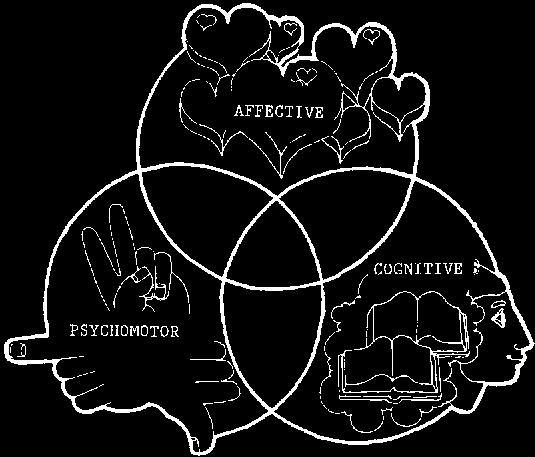
Learning activities are organized into three domains, each representing a different aspect of learning complexity and difficulty.
Cognitive Domain: Intellectual skills such as knowledge, comprehension, application, synthesis, and evaluation.
Affective Domain: Learning related to feelings, emotions, values, interests, and beliefs.
Psychomotor Domain: Skills requiring integration of mental and motor activity, including perception and guided responses.
Teacher Characteristics and Styles
Teacher Characteristics
Effective teachers possess strong subject knowledge, use diverse teaching strategies, and accurately assess learner needs. Organizational skills and teaching style also play a significant role.
Knowledge of Subject Matter: Essential for credibility and effective instruction.
Assessment Skills: Ability to identify learner concerns and needs.
Organizational Skills: Ensures teaching proceeds in a logical, sequential manner.
Teaching Style: Reflects the teacher’s leadership and approach to guiding learning activities.
Styles of Teaching
Three main teaching styles exist on a continuum, each with distinct characteristics and applications.
Autocratic: Teacher makes all decisions; minimal learner input. Useful in crisis situations but not ideal for health teaching.
Democratic: Learner participates in goal setting and decision-making. Highly effective for health education.
Laissez-faire: Learner decides what and how to learn. Effective for motivated, well-educated groups, especially in community health settings.
Learner Characteristics and Readiness
Assessing Readiness to Learn
Readiness to learn is influenced by emotional, intellectual, and physical factors. Teachers must consider these when structuring educational activities.
Emotional Readiness: Anxiety, grief, or depression may hinder learning.
Physical Readiness: Pain, fatigue, or immobility can limit focus; teach only essential information for safety.
Intellectual (Cognitive) Readiness: Assess cognitive ability and clarity of thought (e.g., effects of medication or impairment).
Learning Styles
Types of Learning Styles
Individuals process information differently, and understanding learning styles helps tailor educational approaches.
Visual Learners: Learn best by seeing, watching demonstrations, and organizing thoughts visually.
Auditory Learners: Prefer verbal instruction and discussions; less emphasis on detail.
Kinesthetic Learners: Learn by doing, hands-on involvement, and action; lose interest with excessive detail.

Factors Affecting Learning Style
Environmental Factors: Noise, lighting, temperature, and clutter.
Social Factors: Preference for teacher-dominated or independent activities.
Sensory-Perceptual Factors: Cognitive style and how individuals assign meaning to symbols.
Teaching Approaches and Methods
Approaches
Various approaches are used in health teaching, each suited to different contexts and learner needs.
Telling: Direct instruction.
Selling: Persuasive teaching.
Participating: Collaborative learning.
Entrusting: Delegating responsibility to the learner.
Reinforcing: Providing feedback and encouragement.
Methods
One-on-one discussion
Group instruction
Preparatory instruction
Demonstration
Analogies
Role playing
Simulation
Addressing learning barriers (e.g., illiteracy, disabilities, sensory alterations)
Incorporating Teaching into Nursing Care
Nursing Process as a Framework
The nursing process provides a structured framework for health teaching, ensuring that educational interventions are organized and effective.
Nursing Process | Teaching Process |
|---|---|
Assessment: Collect data about client's psychological, social, cultural, developmental, and spiritual health. | Determine motivation, learning needs, ability to learn, and teaching resources. |
Nursing Diagnosis: Identify appropriate diagnosis based on assessment findings. | Identify learning needs via 3 domains of learning (cognitive, affective, behavioral). |
Planning: Develop care plan. Set specific patient-centered goals based on priorities. Collaborate with client regarding the plan of care. | Establish learning objectives. Identify priorities for learning needs. Collaborate with the client. Choose a teaching method. |
Implementation: Put health promotion in place. Client(s) as active participant. | Implement teaching. Actively involve client. |
Evaluation: Goals/desired outcomes met? Revise if unmet. | Assess outcomes of teaching-learning process. Measure client's ability/retention of learning objectives. Reinforce as needed. |

Assessment of Learner Characteristics and Needs
Learner Characteristics: Age, education level, health beliefs, readiness to learn, current knowledge and skills, barriers/facilitators to learning.
Learner Needs: Capabilities, health promotion, risk reduction, health problems, knowledge level, motivation, barriers/facilitators.

Summary Table: Domains of Learning
Domain | Description | Examples |
|---|---|---|
Cognitive | Intellectual skills: knowledge, comprehension, application, synthesis, evaluation | Learning facts, solving problems, making decisions |
Affective | Feelings, emotions, values, interests, beliefs | Developing attitudes, valuing health behaviors |
Psychomotor | Integration of mental and motor activity | Performing physical tasks, practicing skills |
SMART Objectives in Health Teaching
Developing Goals and Objectives
Effective health teaching plans use SMART objectives to ensure goals are Specific, Measurable, Achievable, Relevant, and Time-bound.
Specific: Clearly defined outcomes.
Measurable: Progress can be tracked.
Achievable: Realistic given resources and constraints.
Relevant: Aligned with learner needs and priorities.
Time-bound: Set within a defined timeframe.
Conclusion
Teaching and learning in health education require a comprehensive understanding of patient education, health literacy, learning domains, teaching styles, and learner characteristics. Applying these principles ensures effective health promotion and empowers individuals to make informed health decisions.
