 Back
BackN1016 Theories of Aging - Class 3
Study Guide - Smart Notes
 Tailored notes based on your materials, expanded with key definitions, examples, and context.
Theories of Aging
Introduction to Aging
Aging is a complex process influenced by genetics, lifestyle, culture, beliefs, and resources. While 20–30% of aging is attributed to genetics, the majority is shaped by individual choices and environmental factors. Understanding aging requires a multidimensional approach that considers biological, psychological, and sociological influences.
Genetic Factors: Inherited traits that affect longevity and susceptibility to age-related diseases.
Lifestyle Choices: Diet, exercise, social engagement, and health behaviors significantly impact the aging process.
Cultural and Social Influences: Beliefs, traditions, and available resources shape individual experiences of aging.

Ways of Viewing Age
Age can be understood through several perspectives, each offering unique insights into the aging process:
Chronological Age: The actual number of years a person has lived.
Biological Age: A measure of how well or poorly your body is functioning relative to your actual age.
Psychological Age: An individual's adaptive capacities compared to others of the same chronological age.
Social Age: The roles and expectations society assigns to individuals based on age.

Lifespan Development
Lifespan development is a lifelong process of adaptation, influenced by biological, psychological, and sociological factors. Key principles include:
Lifelong: Development continues throughout the entire lifespan.
Contextual: Influenced by historical and cultural context.
Multidimensional & Multidirectional: Involves growth and decline in various domains.
Plasticity: Capacity for change and adaptation at all ages.

Psychosocial Theories of Aging
Sociological Theories
Sociological theories of aging explain changes in roles, relationships, and adaptation in mid to late life. They help us understand how society and individuals interact during the aging process.
Disengagement Theory
This theory suggests that aging involves a mutual withdrawal between the individual and society, resulting in decreased social interactions. It allows for the transfer of roles and power from older to younger generations.
Key Points: Older adults gradually disengage from social roles, which may or may not reflect a positive view of aging.


Activity Theory
Activity theory posits that remaining active and engaged in later life leads to better health outcomes and life satisfaction. Social engagement and productive roles are crucial for healthy aging.
Key Points: Staying active and socially involved is associated with improved physical and mental health.


Continuity Theory
Continuity theory emphasizes consistency in patterns of behavior and personality throughout life. While change occurs, individuals adapt by maintaining core aspects of their identity.
Key Points: Personality traits remain stable, influencing role activity and life satisfaction.



Psychological Theories of Aging
Psychological theories focus on behavioral changes and expected patterns in older adults. They provide insight into how individuals adapt to aging and find meaning in later life.
Gerotranscendence
This theory describes a shift from materialistic values to a more cosmic and transcendent perspective, often associated with wisdom and spiritual growth. Older adults may seek solitude, reflection, and deeper meaning.


Erikson’s Development Theory: Ego Integrity vs. Despair
In Erikson’s final stage, older adults reflect on their lives. Achieving ego integrity means finding meaning and fulfillment, while despair arises from regret and unachieved goals.
Nurse’s Role: Facilitate life review, listen attentively, encourage positive reflection, and help clients feel valued.

Limitations of Theories
Many aging theories have limitations, such as narrow focus, lack of consideration for diversity, and insufficient evidence. Early research often excluded healthy individuals and focused on loss and adjustment.

Spirituality and Aging
Understanding Spirituality
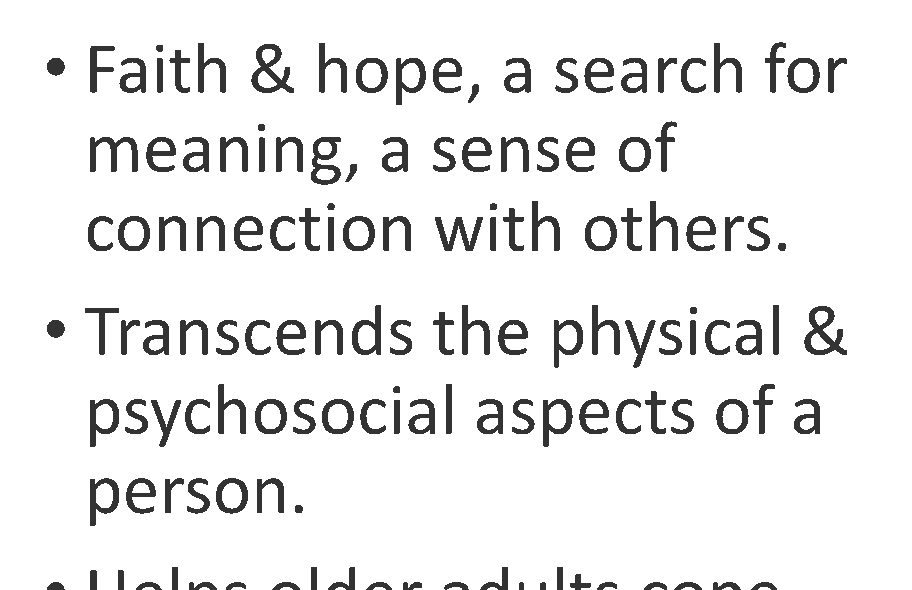
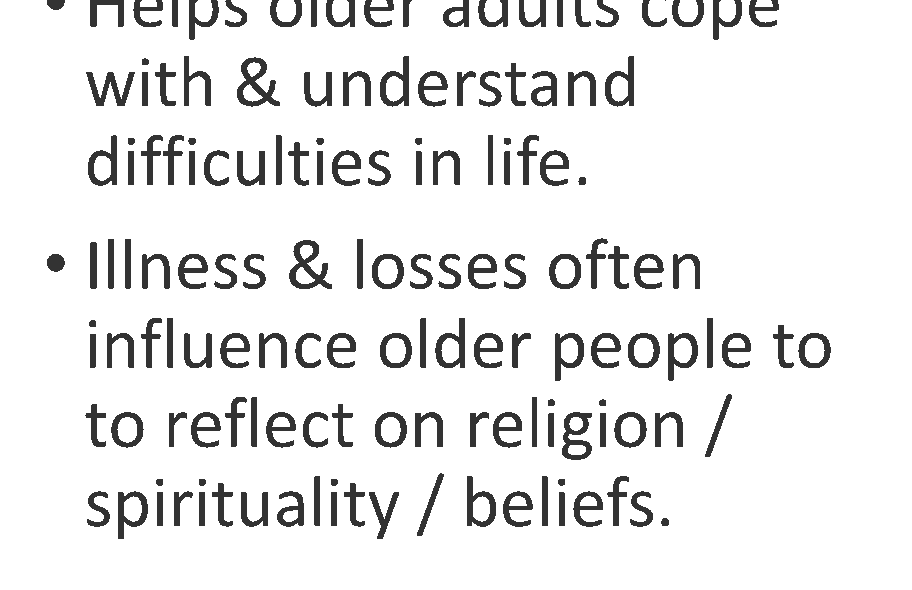
Spirituality is a significant factor in healthy aging, transcending physical and psychosocial aspects to provide meaning, hope, and connection. It helps older adults cope with difficulties and reflect on beliefs, especially during illness and loss.

Spirituality and Health Outcomes
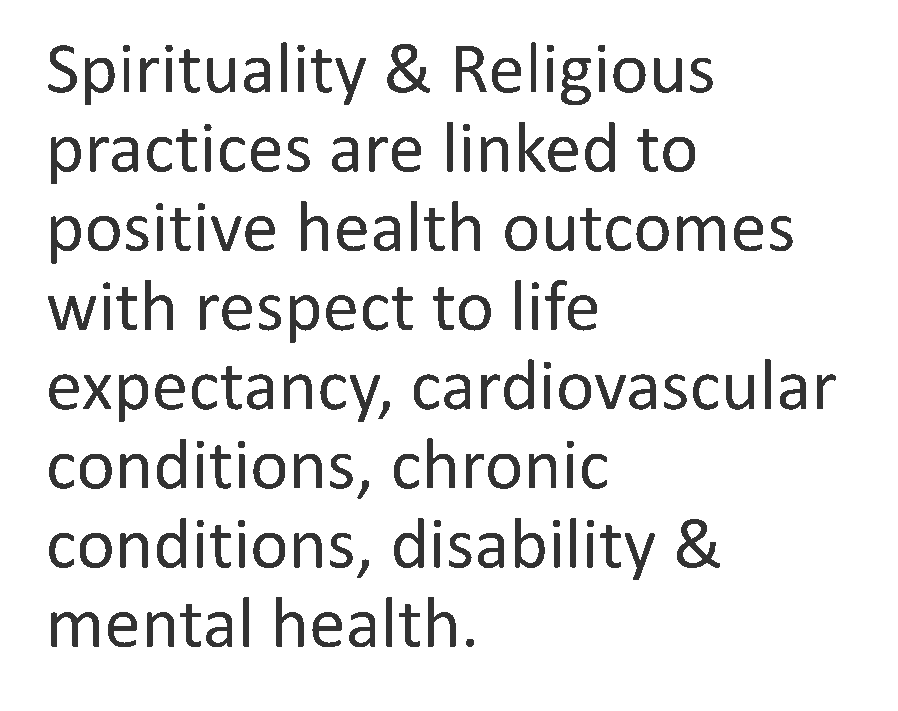
Spirituality and religious practices are linked to positive health outcomes, including increased life expectancy, better cardiovascular and chronic condition management, reduced disability, and improved mental health (Zimmer et al., 2016).

Spiritual Distress in Aging
Spiritual distress may manifest as feelings of anger, hopelessness, anxiety, sleep difficulties, or questioning the meaning of life. Recognizing these signs is important for holistic care.
Spiritual Nursing Responses
Nurses play a vital role in supporting spiritual well-being by providing authentic presence, attentive listening, comforting touch, and relief of physical discomfort. They also foster connections, respect religious traditions, and refer to spiritual counselors when needed.


Key Nursing Actions: Foster connections, listen to life stories, respect traditions, and provide access to rituals and pastoral care.
