 Back
BackElectric Potential and Capacitance: Concepts, Calculations, and Applications
Study Guide - Smart Notes
 Tailored notes based on your materials, expanded with key definitions, examples, and context.
Electric Potential and Electric Field
Potential Difference and Work
The electric potential difference (ΔV) between two points A and B is defined as the work done per unit charge by an external force to move a test charge from A to B. This is mathematically expressed as:
Potential Difference:
Relationship to Electric Field: The electric field points in the direction of decreasing potential.
Charged Conductors: Electric Field and Potential
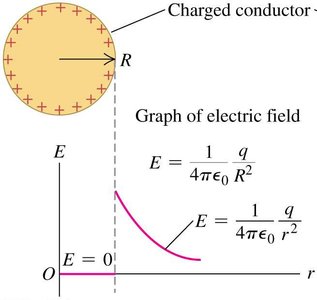
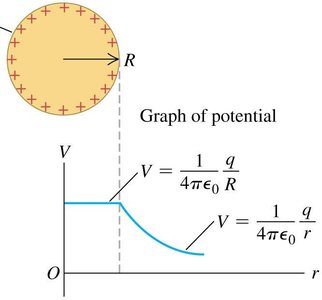
A solid conducting sphere of radius R with total charge q exhibits unique electric field and potential characteristics:
Inside the Sphere: The electric field is zero everywhere ().
Outside the Sphere: The field behaves as if all charge were concentrated at the center: for .
Potential Inside: The potential is constant and equal to its value at the surface: for .
Potential from a Uniformly Charged Disk
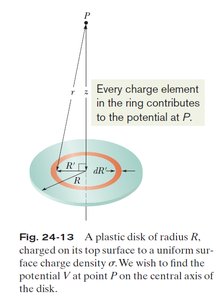
For a disk of radius R with uniform surface charge density σ, the potential at a point P on the axis perpendicular to the disk is found by integrating the contributions from each ring element:
Key Principle: Every charge element in the disk contributes to the potential at P.
Oppositely Charged Parallel Plates
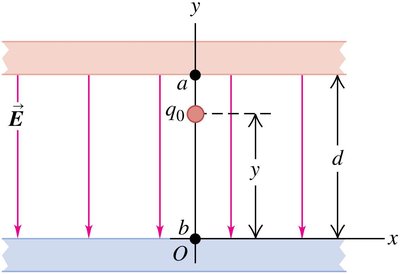
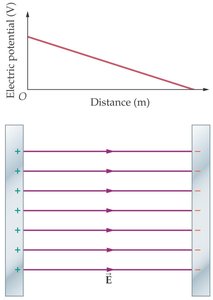
Between two large, oppositely charged parallel plates, the electric field is uniform and the potential varies linearly with distance y between the plates:
Electric Field: (uniform)
Potential Difference:
Equipotential Surfaces and Field Lines
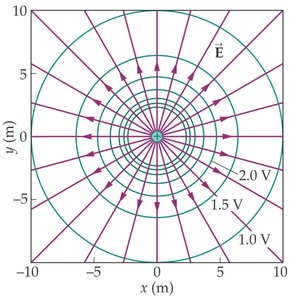
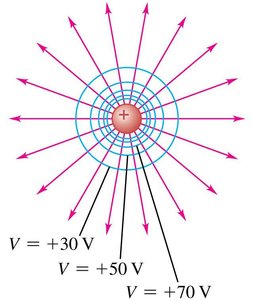
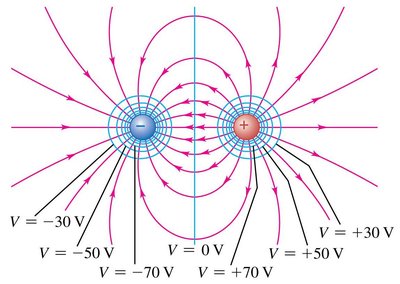
Equipotential surfaces are surfaces where the electric potential is constant. These surfaces are always perpendicular to electric field lines. The closer the equipotential surfaces, the stronger the electric field.
Equipotential Surfaces: No work is required to move a charge along an equipotential surface.
Field Lines: Always perpendicular to equipotential surfaces.
Comparing Gravitational and Electric Potentials
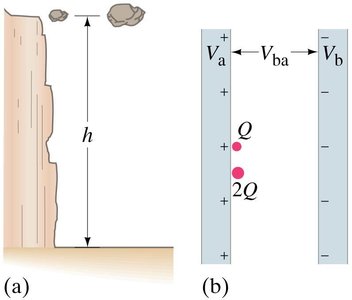
There is a strong analogy between gravitational potential energy and electric potential energy:
Gravitational Potential Energy:
Electric Potential Energy:
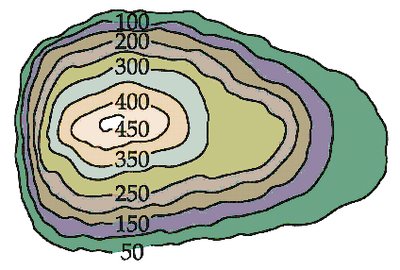
Equipotential lines in gravity (contour lines on a map) are analogous to equipotential surfaces in electrostatics.
Capacitance and Capacitors
Definition and Units of Capacitance
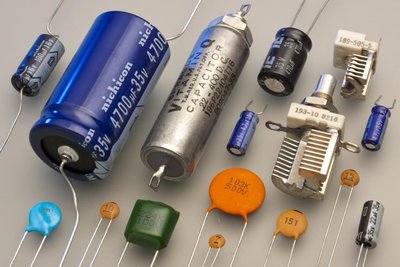
A capacitor consists of two conductors separated by an insulator. The capacitance (C) is the ratio of the magnitude of charge on each conductor to the potential difference between them:
Capacitance:
SI Unit: Farad (F), where

Parallel-Plate Capacitor
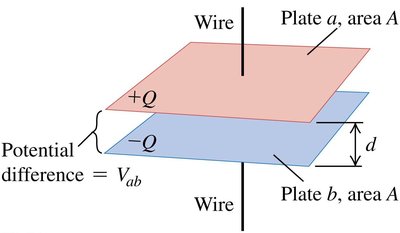
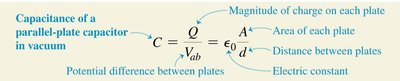
A parallel-plate capacitor consists of two parallel conducting plates of area A separated by distance d. The capacitance is given by:
Capacitance:
Capacitance depends only on the geometry of the plates and the permittivity of free space ().
Capacitance of Other Geometries
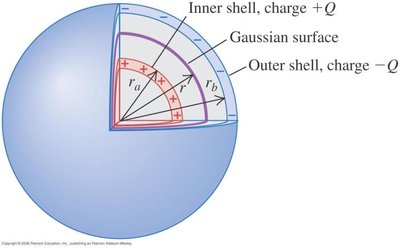
Capacitance also depends on the geometry for other configurations:
Cylindrical Capacitor:
Spherical Capacitor:
Isolated Sphere:
Capacitors in Circuits: Series and Parallel
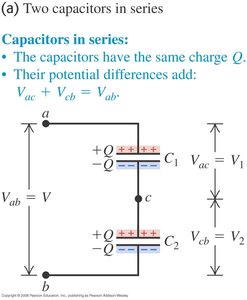
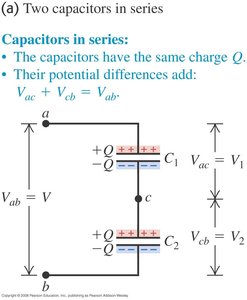
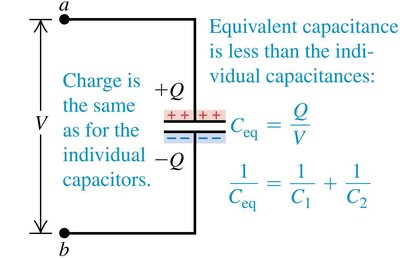
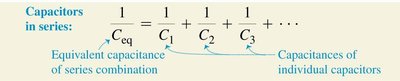
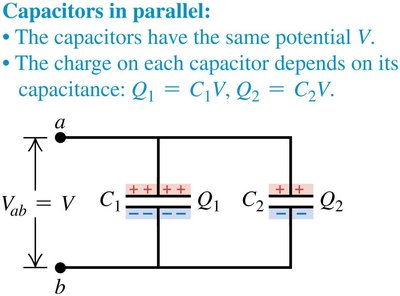
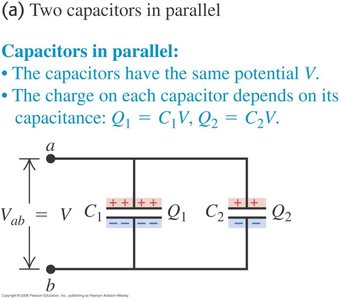
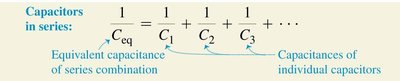
Capacitors can be combined in series or parallel to achieve desired capacitance values:
Series Combination:
Parallel Combination:

Applications of Capacitors
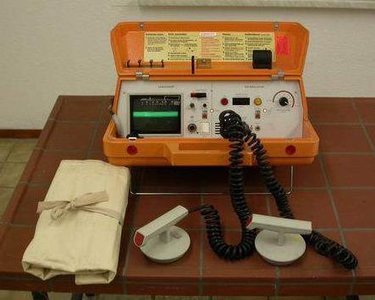
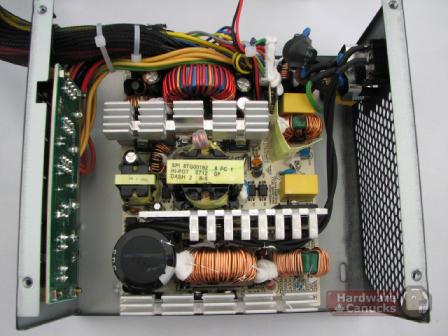
Capacitors are widely used in electronic circuits for energy storage, filtering, and timing applications. Examples include camera flashes, defibrillators, and power supplies.
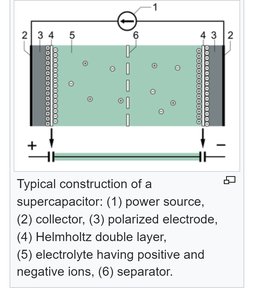
Supercapacitors: Used for rapid energy storage and release in high-power applications.

Example Calculation: Parallel-Plate Capacitor
Given: Plate separation , area , potential difference .
(a) Capacitance:
(b) Charge on Each Plate:
(c) Electric Field:
Additional info: This guide covers the core concepts of electric potential, field, and capacitance, with emphasis on calculation methods, physical interpretation, and practical applications in circuits.
