 Back
BackPsychological Disorders: Historical Perspectives, Diagnosis, and the Justice System
Study Guide - Smart Notes
 Tailored notes based on your materials, expanded with key definitions, examples, and context.
Psychological Disorders: Historical Perspectives, Diagnosis, and the Justice System
Introduction to Psychological Disorders
Psychological disorders are patterns of thoughts, feelings, or behaviors that are maladaptive, cause distress, or increase the risk of harm. Understanding these disorders requires a multidisciplinary approach, considering historical, cultural, biological, psychological, and social factors.
Historical Conceptions of Mental Illness
Demonic Model and Superstition
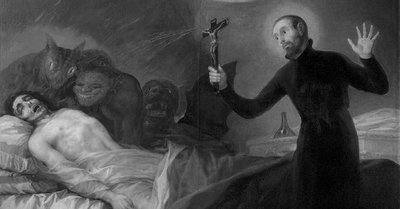
In the Middle Ages, mental illness was often attributed to demonic possession or evil spirits. Treatments included exorcisms and witch hunts, reflecting a lack of scientific understanding.
The Medical Model and Asylums
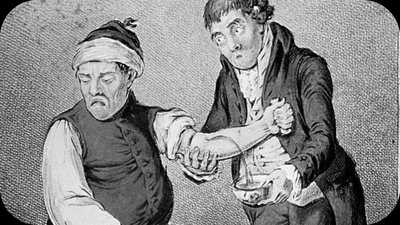
During the Renaissance, the medical model emerged, viewing mental illness as a physical disorder requiring treatment. Patients were housed in asylums, which were often overcrowded and understaffed. Common treatments included bloodletting and the use of 'snake pits.'
Moral Treatment Movement
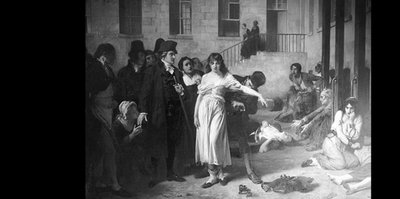
Reformers like Philippe Pinel and Dorothea Dix advocated for moral treatment in the 18th and 19th centuries, emphasizing dignity, kindness, and respect for patients. Although this improved conditions, effective treatments were still lacking.
The Modern Era: Psychopharmacology and Deinstitutionalization
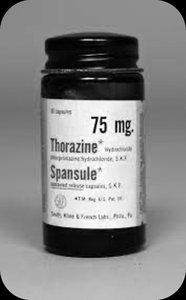
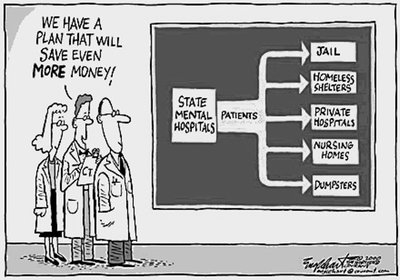
The development of antipsychotic medications such as chlorpromazine (Thorazine) in the 1950s led to the deinstitutionalization movement, releasing many patients from hospitals. However, community support systems were often inadequate, leading to mixed outcomes.
Defining and Diagnosing Mental Illness
Maladaptive Behavior and the DSM
The DSM-5 defines mental disorders as patterns of behavior or experience that cause distress, impair functioning, or increase risk of harm. However, not all maladaptive behaviors are mental illnesses, and some individuals may not fit these criteria yet still be considered mentally ill.
Biopsychosocial Model
The biopsychosocial model considers biological, psychological, and social factors in the development and maintenance of mental disorders:
Biological: Brain chemistry, genetics, neurodevelopment, physical health
Psychological: Cognitive patterns, emotional regulation, personality, coping skills
Social: Environment, culture, family dynamics, socioeconomic status
Culture-Bound Syndromes
Certain mental disorders are culture-bound, while others (e.g., schizophrenia, alcoholism) are universal. Culture influences the expression and interpretation of symptoms.
Major Categories of Psychological Disorders
Anxiety Disorders
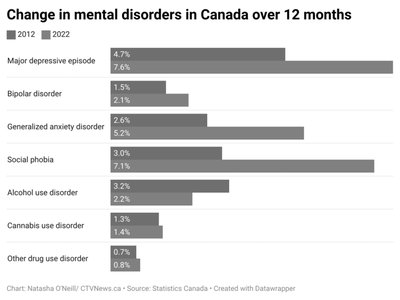
Anxiety disorders are characterized by excessive, persistent anxiety and maladaptive behaviors aimed at reducing anxiety. Types include generalized anxiety disorder, panic disorder, specific phobias, obsessive-compulsive disorder (OCD), and post-traumatic stress disorder (PTSD).
Mood Disorders
Mood disorders include major depression and bipolar disorder. These conditions are common and can be influenced by genetic, psychological, and sociocultural factors.
Major Depression: Marked by sadness, hopelessness, social withdrawal, and cognitive/physical sluggishness.
Bipolar Disorder: Involves extreme mood shifts between depression and mania, with high rates of suicide and treatment challenges.
Schizophrenia
Schizophrenia is characterized by significant breaks from reality, including hallucinations, delusions, disorganized thought, and negative symptoms such as social withdrawal. Biological factors include brain structure differences and neurotransmitter imbalances; environmental factors such as stress and substance use also play a role.

Personality Disorders
Personality disorders are enduring patterns of behavior that are maladaptive and resistant to change. They are grouped into three clusters:
Cluster A: Odd/eccentric (e.g., paranoid, schizoid)
Cluster B: Dramatic/emotional/erratic (e.g., antisocial, borderline, narcissistic)
Cluster C: Anxious/fearful/inhibited (e.g., avoidant)
Mental Illness and the Justice System
Intersection of Mental Health and Law
Mental illness can affect legal responsibility. The insanity defense (NCRMD: Not Criminally Responsible by Reason of Mental Disorder) is a legal, not psychological, concept. It requires that the individual was unable to appreciate the nature or wrongfulness of their actions due to mental disorder.
Outcomes of NCRMD
Absolute discharge
Conditional discharge (with treatment/supervision)
Detention in a psychiatric hospital
Decisions are made by a Review Board based on risk and treatment needs, not by a judge.
Myths and Realities of NCRMD
Rarely used and rarely successful
Most found NCRMD spend longer in institutions than if found guilty
Most NCRMD cases are non-violent
Mental Illness in Correctional Settings
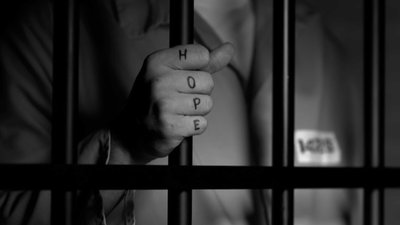
Mental illness is highly prevalent in correctional facilities, with rates much higher than in the general population. Prisons are often ill-equipped to provide adequate mental health care, and practices such as solitary confinement can have severe psychological effects.
Conclusion
Understanding psychological disorders requires a comprehensive approach that integrates historical context, diagnostic criteria, cultural influences, and the intersection with the legal system. Ongoing reforms and advocacy are essential for improving outcomes for individuals with mental illness, both in the community and within the justice system.
