 Back
BackPsychological Disorders: History, Diagnosis, and the Justice System
Study Guide - Smart Notes
 Tailored notes based on your materials, expanded with key definitions, examples, and context.
Topic 13: Psychological Disorders
Introduction to Psychological Disorders
Psychological disorders, also known as mental disorders, are patterns of behavior or experience that cause distress, impair day-to-day functioning, or increase the risk of harm. The study of these disorders includes their definition, historical context, diagnosis, and their intersection with the justice system.
Defining Mental Illness
Criteria for Mental Disorders
Maladaptive Behavior: According to the DSM, mental disorders are defined by behaviors or experiences that are maladaptive, causing distress or impairment in functioning.
Limitations: Not all maladaptive behaviors are mental illnesses, and some individuals may be considered mentally ill without meeting all criteria.
Historical Conceptions of Mental Illness
The understanding and treatment of mental illness have evolved significantly over time, reflecting changes in cultural, scientific, and medical perspectives.
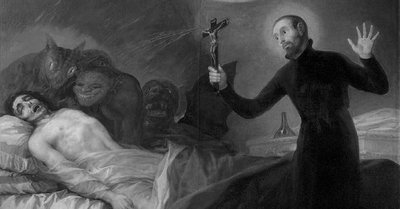
Demonic Model (Middle Ages): Mental illness was often attributed to possession by evil spirits, leading to practices such as exorcisms and witch hunts.
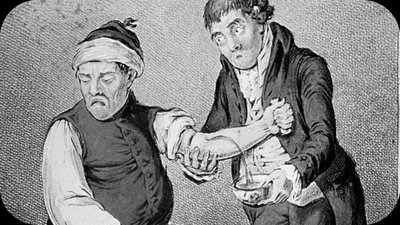
Medical Model (Renaissance): Emergence of the view that mental illness is a physical disorder requiring treatment. Asylums were established, but often became overcrowded and used ineffective treatments like bloodletting.
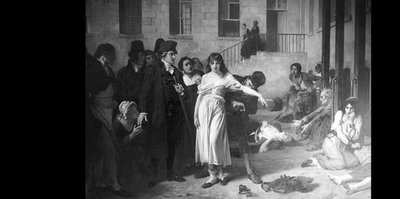
Moral Treatment (1700s-1800s): Reformers such as Phillippe Pinel and Dorothea Dix advocated for humane treatment, emphasizing dignity and kindness, though effective treatments were still lacking.
The Modern Era of Mental Health Care
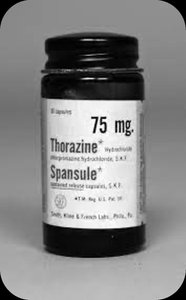
Pharmacological Advances: The development of antipsychotic medications like chlorpromazine (Thorazine) in the 1950s moderately reduced symptoms of severe mental disorders such as schizophrenia.
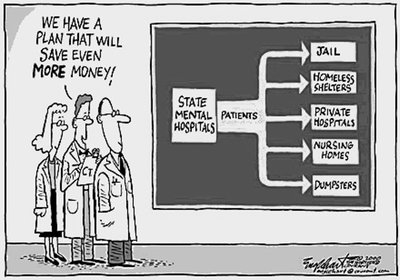
Deinstitutionalization: In the 1960s and 70s, many psychiatric hospitals were closed, and patients were released into the community. This shift had mixed results due to inadequate community support.
Diagnosis and Classification
The DSM-5 and the Biopsychosocial Model
DSM-5: The Diagnostic and Statistical Manual of Mental Disorders (DSM-5) provides standardized criteria for diagnosing mental disorders, emphasizing the need to rule out medical or substance-related causes first.
Biopsychosocial Approach: Considers biological (e.g., genetics, brain chemistry), psychological (e.g., cognitive patterns, emotional regulation), and social (e.g., environment, culture) factors in understanding mental illness.
Culture and Mental Disorders
Culture-Bound Syndromes: Some disorders are specific to certain cultures, while others (e.g., schizophrenia, alcoholism) are universal.
Examples: Malocchio (Italy) and Taijin Kyofusho (Japan) illustrate how cultural beliefs shape the expression and understanding of psychological distress.
Major Categories of Psychological Disorders
Anxiety-Related Disorders
Anxiety disorders are characterized by excessive and persistent fear or anxiety and related behavioral disturbances.
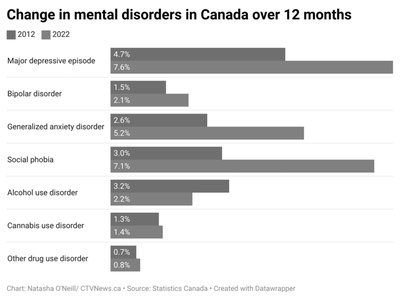
Generalized Anxiety Disorder (GAD): Chronic, widespread worry and tension, often without a specific cause.
Panic Disorder: Recurrent, unexpected panic attacks and persistent concern about having more attacks.
Phobias: Irrational fears of specific objects or situations (e.g., agoraphobia).
Obsessive-Compulsive Disorder (OCD): Intrusive thoughts (obsessions) and repetitive behaviors (compulsions) performed to reduce distress.
Mood Disorders
Major Depression: Persistent sadness, hopelessness, and loss of interest, often accompanied by physical symptoms such as sleep and appetite changes.
Bipolar Disorder: Alternating periods of depression and mania (elevated mood, energy, and impulsivity).
Schizophrenia
Schizophrenia is a severe mental disorder characterized by disruptions in thought, perception, emotion, and behavior.
Positive Symptoms: Hallucinations, delusions, disorganized thinking.
Negative Symptoms: Social withdrawal, lack of emotional expression.
Biological Factors: Brain structure differences (e.g., enlarged ventricles), neurotransmitter imbalances (dopamine, glutamate).

Personality Disorders
Cluster A: Odd or eccentric behaviors (e.g., paranoid personality disorder).
Cluster B: Dramatic, emotional, or erratic behaviors (e.g., borderline, antisocial personality disorder).
Cluster C: Anxious or fearful behaviors (e.g., avoidant personality disorder).
Psychological Disorders and the Justice System
Mental Illness and Criminal Responsibility
NCRMD (Not Criminally Responsible by Reason of Mental Disorder): Legal defense acknowledging that a mental disorder prevented the individual from understanding the nature or wrongfulness of their actions.
Legal Criteria: Requires lack of mens rea (guilty mind) due to mental disorder at the time of the offense.
Mental Health in Correctional Settings
Prevalence: Mental illness is significantly more common in incarcerated populations than in the general public.
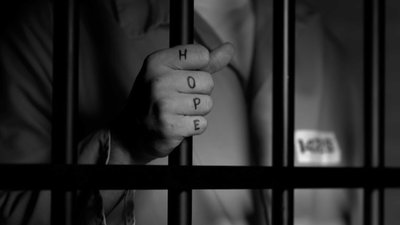
Challenges: Correctional facilities often lack adequate mental health services, and practices such as solitary confinement can exacerbate psychological distress.
Conclusion
The study of psychological disorders encompasses their definition, historical treatment, diagnostic criteria, and the complex relationship between mental health and the justice system. Understanding these topics is essential for recognizing the challenges faced by individuals with mental illness and for advocating for effective, humane treatment and support.
