 Back
BackSexuality and Gender: Psychological Perspectives and Social Influences
Study Guide - Smart Notes
 Tailored notes based on your materials, expanded with key definitions, examples, and context.
Sexuality and Gender
Introduction to Gender and Sex
Sexuality and gender are central topics in psychology, encompassing biological, psychological, and social dimensions. Understanding the distinction between sex and gender is foundational for analyzing individual identity and societal roles.
Sex: Refers to biological attributes such as anatomy and chromosomes (male or female).
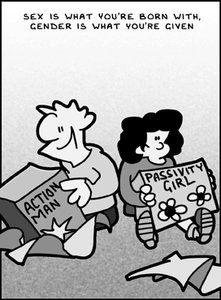
Gender: Refers to psychological and social perceptions of being male or female.
Gender identity: An individual's personal sense of their gender, which may or may not align with their biological sex.

Gender Roles and Stereotypes
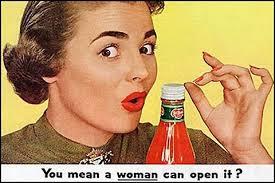
Gender roles are societal expectations for behavior, activities, and traits associated with men and women. Stereotypes are oversimplified beliefs about gender characteristics, often leading to sexism and discrimination.
Gender stereotypes: Widely held beliefs about what is appropriate for males and females.
Sexism: Negative attitudes and behaviors based on gender.
Gender typing: The process by which individuals adopt gendered behaviors and preferences.


Masculine and Feminine Traits
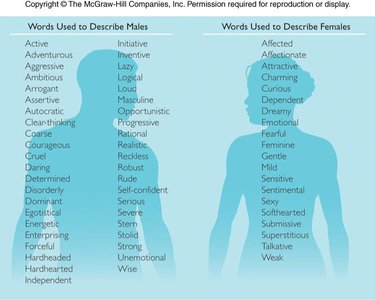
Traits associated with masculinity and femininity are often divided into instrumental (competence, assertiveness) and expressive (warmth, sensitivity) categories. These stereotypes persist across cultures and influence personality, appearance, and occupational choices.
Masculine-Instrumental Traits: Competence, rationality, assertiveness.
Feminine-Expressive Traits: Warmth, caring, sensitivity.
Gender Inequality and Pay Gap
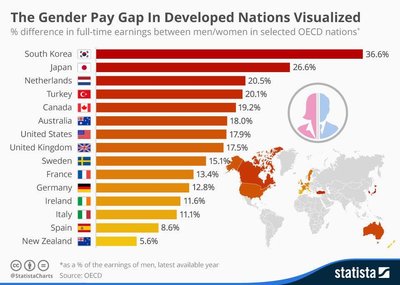
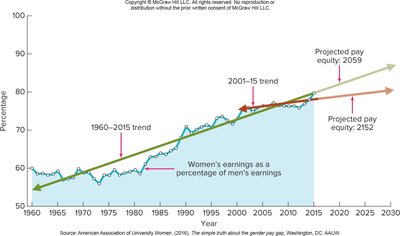
Gender inequality manifests in status, power, opportunity, and privilege. Women often earn less than men in comparable positions, and face barriers such as the glass ceiling and sexual harassment.
Glass ceiling: Invisible barriers preventing women from advancing in organizations.
Gender pay gap: Persistent difference in earnings between men and women.

Sexual Harassment
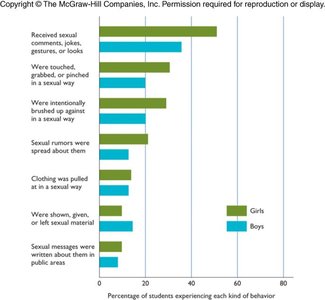
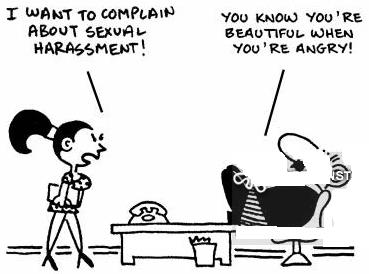
Sexual harassment includes unwanted sexual attention, creation of hostile environments, and explicit coercion. It is more about power than sex, and can have severe psychological consequences for victims.
Benevolent sexism: Subtle, patronizing attitudes toward women.
Consequences: Shame, embarrassment, helplessness, powerlessness.
Gender Differences: Similarities and Stereotype Threat
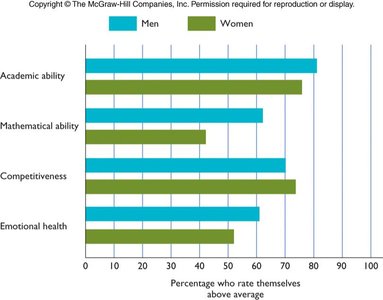
Research shows that men and women are more similar than different in personality, cognitive abilities, and emotional health. Stereotype threat refers to the fear of violating gender stereotypes, which can affect performance and self-evaluation.
No significant differences in overall IQ, learning, memory, or problem-solving.
Stereotype threat: Anxiety about confirming negative stereotypes.
Self-evaluation: Women tend to evaluate themselves more harshly than men.

Development of Gender Stereotyping
Early Childhood
Children begin to label their own and others' sex between 18 months and 3 years. They associate objects and activities with gender and react strongly to non-conformity.
Preschoolers attribute stereotypical gender characteristics even when evidence contradicts stereotypes.
Cognitive limitations lead to binary thinking about gender roles.


Middle Childhood & Adolescence
Children categorize subjects and activities as masculine or feminine, influencing preferences and perceived competence. Gender flexibility increases with age, but intolerance for crossing gender lines persists, especially for boys.
Understanding that sex does not determine personality or abilities.
Large individual and group differences in gender stereotyping.

Sources of Gender Differences: Biology and Evolution
Biological factors such as hormones (androgens, estrogens) influence gendered behaviors and abilities. Evolutionary perspectives suggest selection pressures have shaped differences in aggression, competitiveness, and risk-taking.
Biosocial approach: Gender differences arise from general variables like physical capabilities and division of labor.
Socialization and Gender-Role Adoption
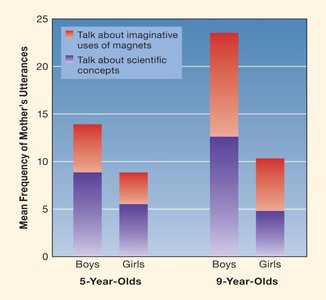
Socialization environments, including parents, teachers, peers, and media, play a crucial role in gender-role adoption. Parents treat sons and daughters differently, often in subtle ways, fostering independence in boys and closeness in girls.
Parents' expectations can become self-fulfilling prophecies.
Fathers tend to enforce gender stereotypes more than mothers.
Observational learning from gender-typed models in society and media.

Diversity of Sexual Behavior
Sexual behavior varies widely, and definitions of normality depend on societal standards, psychological consequences, and prevalence. Alfred Kinsey's surveys provided the first systematic approach to studying human sexual behavior.
Premarital sex: Double standards exist for men and women.
Extramarital sex: Not common among married individuals.
Homosexuality and Bisexuality
Sexual orientation exists on a continuum, as proposed by Kinsey. Determinants include biological, psychological, and social factors, but no single factor is definitive.
Homosexuality: Attraction to same sex.
Bisexuality: Attraction to both sexes.
Kinsey Scale: Measures sexual orientation from exclusively heterosexual to exclusively homosexual behavior.

Transgender and Intersex Individuals
Transgender individuals have a gender identity or expression that differs from their assigned sex at birth. Intersex individuals are born with atypical combinations of sexual organs or chromosomes.
Transgender identity is not solely a sexual issue, but encompasses broader aspects of self-perception and social roles.
Sexual Difficulties and Issues
Sexual difficulties include rape and childhood sexual abuse, which have devastating psychological and physical consequences. Most cases of abuse are perpetrated by acquaintances or relatives, and victims are not more likely to become abusers.
Rape: Often motivated by power, anger, or sexual gratification.
Childhood sexual abuse: Leads to short- and long-term psychological harm.
Gender Stereotyping: Positive and Negative Aspects
Gender stereotyping, whether positive or negative, is inherently harmful. It reduces the ability to treat individuals as unique, leads to narrow expectations, and causes faulty attributions based on gender.
Stereotypes limit individual potential and reinforce social inequalities.
