 Back
BackSocial Psychology: Influence, Attribution, and Group Dynamics
Study Guide - Smart Notes
 Tailored notes based on your materials, expanded with key definitions, examples, and context.
Social Psychology
Introduction to Social Psychology
Social psychology is the scientific study of how the presence, thoughts, and actions of others influence individual and group behavior. It explores the mechanisms by which social context shapes attitudes, beliefs, and actions, and examines phenomena such as conformity, group dynamics, and attribution.
Key Question: How does the presence of other people (perceived or actual) influence the behavior of individuals and groups?
Applications: WWII & Holocaust (obedience, prejudice), COVID-19 (compliance, stigma, trust, group identification, polarization, racial bias).
Humans as a Social Species
Humans have a biologically based need for interpersonal connection, as described by the need-to-belong theory. Social isolation is linked to increased anxiety, abnormal eating, reduced intelligence, and unhealthy behaviors.
Example: Solitary confinement can lead to psychological distress.
Research: Twenge et al. (2002) found that perceived future isolation increases unhealthy behaviors.
Situational Influences on Behavior
Social context exerts powerful effects on behavior through mechanisms such as mimicry, social norms, and social roles.
Mimicry: Adopting behaviors, emotional displays, and facial expressions of others; acts as social glue.
Social Norms: Unwritten guidelines for behavior in social contexts; implicit and emerge naturally.
Social Roles: Guidelines for specific positions within a group (e.g., professor, student, prisoner).
Ostracism: Being ignored or excluded; increases aggression and distress.

Social Comparison Theory
Upward and Downward Comparison
Social comparison theory posits that individuals evaluate their abilities and beliefs by comparing themselves to others. This can occur in two directions:
Upward Comparison: Comparing oneself to someone perceived as "better"; can inspire motivation or trigger envy.
Downward Comparison: Comparing oneself to someone "worse off"; can boost self-esteem or create complacency.


Attribution Theory
Internal vs. External Attributions
Attribution theory examines how people explain the causes of behavior. Attributions can be:
Internal (Dispositional): Based on qualities or actions of the individual (e.g., intelligence, personality).
External (Situational): Based on context (e.g., environment, experiences, time of day).
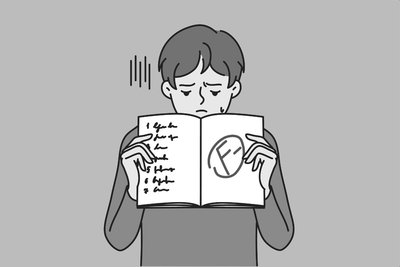
Fundamental Attribution Error & Actor-Observer Bias
The fundamental attribution error is the tendency to attribute others' actions to their character while overlooking situational factors. The actor-observer bias describes how people attribute their own behavior to external factors but others' behavior to internal factors.
Why it happens:
We don’t see the situation (focus on the person).
People are more noticeable than contexts.
It’s cognitively easy (our brains prefer shortcuts).
Just-World Hypothesis
The just-world hypothesis is the belief that people get the outcomes they deserve, leading to victim blaming. This belief helps people feel safe but can perpetuate injustice.
Applications: Crime, poverty, workplace success, illness, natural disasters, sexual harassment.


Social Influence
Conformity
Conformity is the tendency to alter behavior due to group pressure. It can be driven by normative influence (desire to be accepted) or informational influence (belief that others are correct).
Factors increasing conformity: Larger group, presence of friends/family, ambiguous tasks, public responses.

Groupthink
Groupthink is a decision-making style characterized by an excessive tendency to seek concurrence, often at the expense of critical thinking. It is more likely with strong leaders who discourage dissent or in homogenous groups.
Historical Examples: Bay of Pigs invasion, Challenger disaster, Walkerton E. coli contamination.
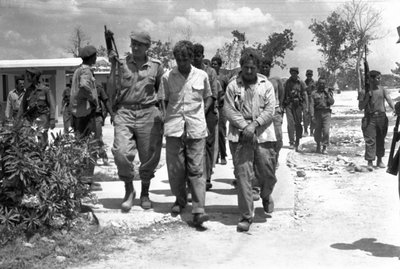


Deindividuation
Deindividuation is the loss of a person's sense of individuality and reduction of normal constraints against deviant behavior, often resulting in "mob mentality." Real-world examples include the Abu Ghraib prison abuses.
Factors: Anonymity, group size, arousal.
Compliance
Compliance is submitting to direct social pressure. Common techniques include:
Foot-in-the-door: Start with a small request, then move to a larger one.
Door-in-the-face: Start with a big request, then back off to a smaller one.
Low-ball technique: Start with a low price, then add desirable features.
Obedience
Obedience is adherence to instructions from those of higher authority. It is essential in daily life but problematic when individuals stop questioning authority. The Milgram paradigm demonstrated the extent to which people obey authority even when it conflicts with personal conscience.
Helping and Harming Others
Prosocial Behavior
Prosocial behavior refers to actions that benefit others, such as helping, giving, sharing, and cooperating. Situational influences include inability to escape, victim characteristics, mood, role models, conformity, and time pressure.
Bystander Effect
The bystander effect is the tendency for individuals to be less likely to help in an emergency when others are present. This occurs due to diffusion of responsibility and reliance on others as behavioral guides.
Five steps to helping: Notice event, interpret as emergency, take responsibility, know how to help, help.
Kin Selection and Reciprocity
Kin selection theory suggests people are more likely to help those who are genetically related. Norms of reciprocity and learned prosocial behavior also motivate helping.
Altruism
Altruism is a motive to increase another's welfare without conscious regard for self-interest. Examples include disaster relief and helping strangers in emergencies.
Aggression, Attitudes, and Prejudice
Aggression
Aggression is any behavior intended to harm another person or living thing. It can be hostile (driven by anger) or instrumental (goal-oriented). Situational influences include frustration, evolutionary factors, media, aggressive cues, arousal, substances, and temperature.
Frustration-aggression theory: Frustration from blocked goals increases aggression.
Evolutionary theory: Aggression serves adaptive functions.
Culture of Honour
Some cultures encourage individuals to defend their honor, which can influence aggressive behavior and conflict resolution. Social norms and group values play a significant role.
Gender and Aggression
Research questions include whether women are less aggressive than men and how anonymity online affects prosocial and aggressive behavior.
Social Psychology in Action
Group Identification and Polarization
Group identification can lead to polarization, where group members adopt more extreme positions. Social movements and protests illustrate the power of group dynamics in shaping attitudes and behaviors.

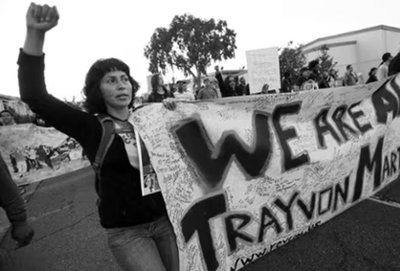
Social Norms and Ostracism
Social norms regulate behavior, and ostracism acts as a powerful social regulator. Being excluded can increase aggression and distress.

Stanford Prison Experiment
The Stanford Prison Experiment demonstrated the power of social roles and deindividuation in shaping behavior, leading to abusive conduct among participants assigned to guard roles.
Obedience and Authority
Obedience to authority is a central theme in social psychology, illustrated by both experimental and real-world examples.
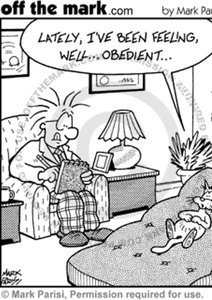
Groupthink in Decision-Making
Groupthink can lead to poor decision-making in groups, as illustrated by historical and local examples.
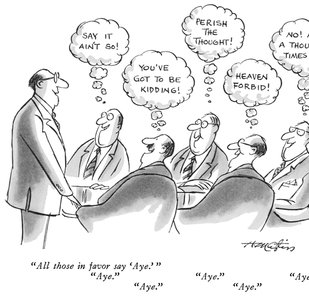
Conformity in Groups
Conformity is a pervasive social influence, demonstrated in classic studies and everyday life.
Social Influence and Social Media
Social media can create conformity and influence behavior in ways that differ from real-life social pressure, raising questions about the impact of online anonymity on prosocial and aggressive actions.
Victim Blaming and Attribution Errors
Attribution errors and the just-world hypothesis contribute to victim blaming in contexts such as crime, poverty, and illness.
Protests and Social Movements
Group identification and polarization are evident in social movements and protests, which can drive collective action and shape public attitudes.
Summary Table: Attribution Types
Type of Attribution | Description | Example |
|---|---|---|
Internal (Dispositional) | Behavior explained by personal traits | "He failed because he's lazy." |
External (Situational) | Behavior explained by context | "He failed because he was sick." |
Summary Table: Social Influence Types
Type | Description | Example |
|---|---|---|
Conformity | Altering behavior due to group pressure | Agreeing with group opinion |
Compliance | Submitting to direct social pressure | Foot-in-the-door technique |
Obedience | Following orders from authority | Milgram experiment |
Deindividuation | Loss of individuality in groups | Mob behavior |
Additional info: Academic context and examples were added to clarify and expand on brief points from the original materials.
