Back
BackSocial Psychology: Influence, Attribution, and Group Dynamics
Study Guide - Smart Notes
 Tailored notes based on your materials, expanded with key definitions, examples, and context.
Social Psychology: The Study of Social Influence
Introduction to Social Psychology
Social psychology examines how the presence, thoughts, and actions of others influence individual and group behavior. It explores the mechanisms behind conformity, obedience, group dynamics, and the attribution of behavior, providing insight into everyday social interactions and societal phenomena.
Humans as a Social Species
Need-to-Belong Theory
Need-to-belong theory posits that humans have a biologically based need for interpersonal connections.
Social isolation is associated with increased anxiety, abnormal eating, and reduced cognitive functioning.
Ostracism, or being excluded from social contact, is a powerful social regulator that can increase aggression and distress.
Situational Influences on Behavior
Mimicry, Social Norms, and Social Roles
Mimicry: Unconscious imitation of others' behaviors, emotions, and expressions, acting as social glue.
Social norms: Unwritten rules for behavior in social contexts, emerging naturally and implicitly.
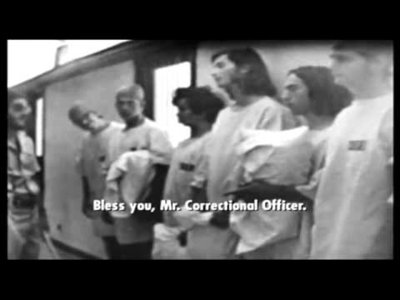
Social roles: Expectations for behavior associated with particular positions in a group (e.g., student, professor, prisoner).
Failure to conform to norms can result in ostracism.
Social Comparison Theory
Upward and Downward Comparison
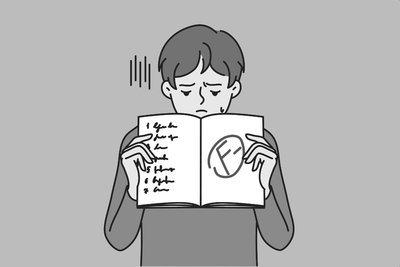
People evaluate their abilities and beliefs by comparing themselves to others. This can motivate self-improvement or affect self-esteem.
Upward comparison: Comparing oneself to someone perceived as better; can inspire or discourage.
Downward comparison: Comparing oneself to someone perceived as worse off; can boost self-esteem or foster complacency.


Attribution Theory
Internal vs. External Attributions
Internal (dispositional) attributions: Behavior explained by personal traits (e.g., intelligence, personality).
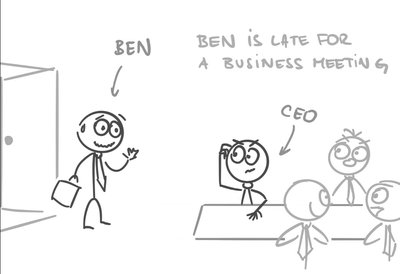
External (situational) attributions: Behavior explained by context or environment (e.g., time of day, other people).
Fundamental Attribution Error & Actor-Observer Bias
Fundamental attribution error: Tendency to attribute others' actions to their character, underestimating situational factors.
Actor-observer bias: Attributing our own actions to external factors, but others' actions to internal traits.
Why Attribution Errors Occur
Situational factors are often less visible than personal traits.
People are more noticeable than contexts.
It is cognitively easier to judge people than to consider context.
Just-World Hypothesis
The belief that people get what they deserve, leading to victim-blaming.
Helps people feel safe but can perpetuate social injustice.
Social Influence
Conformity
Conformity is the tendency to adjust behavior to align with group norms or expectations. It is influenced by group size, presence of friends or family, task ambiguity, and whether responses are public.
Normative influence: Conforming to be accepted by others.
Informational influence: Conforming because others are perceived as correct.

Groupthink
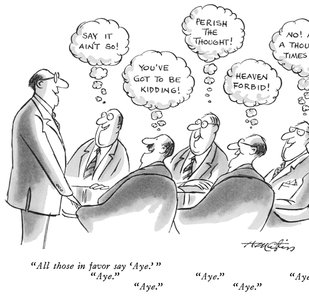
Groupthink is a decision-making style where the desire for unanimity overrides critical thinking. It is more likely in groups with strong leaders who discourage dissent or in homogenous groups.
Deindividuation
Deindividuation refers to the loss of self-awareness and individual accountability in groups, often leading to deviant or aggressive behavior ("mob mentality").
Compliance
Compliance is yielding to direct social pressure. Common techniques include:
Foot-in-the-door: Start with a small request, then escalate.
Door-in-the-face: Start with a large request, then retreat to a smaller one.
Low-ball technique: Offer a low price, then add additional costs.
Obedience
Obedience is following direct orders from authority figures. While essential for societal functioning, it can be problematic when individuals stop questioning authority.
Helping and Harming Others
Prosocial Behavior
Prosocial behavior benefits others and includes helping, sharing, giving, and cooperating. Factors influencing helping include the ability to escape, victim characteristics, mood, role models, conformity, and time pressure.
Bystander Effect
The bystander effect is the decreased likelihood of helping when others are present, due to diffusion of responsibility. Helping in emergencies involves noticing the event, interpreting it as an emergency, taking responsibility, knowing how to help, and acting.
Why Do We Help?
Kin selection: More likely to help close relatives due to evolutionary advantages.
Norms of reciprocity: Helping others with the expectation of future help.
Altruism: Helping others without conscious self-interest.
Aggression, Attitudes, and Prejudice
Defining Aggression
Aggression: Any behavior intended to harm another, either physically, verbally, or by omission.
Hostile aggression: Driven by anger and intended to cause pain.
Instrumental aggression: Means to an end, not necessarily driven by anger.
Situational Influences on Aggression
Frustration-aggression theory: Frustration from blocked goals increases aggression.
Evolutionary theory: Aggression can serve adaptive functions.
Other influences: media, aggressive cues, arousal, substances, and temperature.
Culture of Honour
Some cultures encourage defending one's honor, which can increase aggressive responses to perceived slights or threats.
Prejudice and Discrimination
Prejudice involves negative attitudes toward groups, while discrimination refers to negative behaviors. Social psychology examines the roots and consequences of these phenomena, including the role of social influence, group identity, and societal norms.