 Back
BackTherapies in Psychology: An Overview of Psychological and Biomedical Approaches
Study Guide - Smart Notes
 Tailored notes based on your materials, expanded with key definitions, examples, and context.
Therapies in Psychology
Introduction
Therapies in psychology encompass a wide range of approaches designed to alleviate psychological distress and improve mental health. These methods can be broadly categorized into psychological (talk-based) and biomedical (medication or medical procedure-based) therapies. This guide provides an overview of the main types of therapies, their theoretical foundations, and practical applications.
Psychological Therapies
Mental Health Providers
Clinical Psychologists: Hold PhDs and treat a range of psychological disorders from mild to severe using psychotherapy.
Counselling Psychologists: Hold MA/MSc/MEd or PhDs and focus on more common life problems and adjustment issues.
Psychiatrists: Medical doctors (MDs) who can prescribe medication and often treat severe mental disorders.
Insight Therapies
Insight therapies aim to help individuals gain a deeper understanding of their thoughts, feelings, and behaviors through dialogue with a therapist.
Psychodynamic Therapies: Focus on resolving unconscious conflicts, often rooted in childhood experiences. Techniques include:
Free Association: Encourages patients to verbalize thoughts without censorship.
Dream Analysis: Interprets symbolic meanings in dreams (e.g., condensation, opposites).
Resistance: Patient's unconscious defense against confronting troubling thoughts.
Transference: Projecting feelings about important people onto the therapist.
Object Relations Therapy: Emphasizes the impact of early relationships and emotional attachments on psychological functioning.

Humanistic-Existential Psychotherapy
This approach emphasizes the inherent goodness and growth potential of humans, focusing on self-actualization and authentic living.
Humanistic Therapy: Removes obstacles to personal growth and encourages self-acceptance.
Existential Therapy: Helps clients confront existential fears and find meaning in life.
Phenomenological Approach: Focuses on the individual's subjective experience.
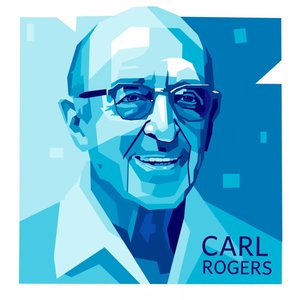
Client-Centred (Person-Centred) Therapy: Developed by Carl Rogers, this therapy provides unconditional positive regard and empathy to foster self-growth.
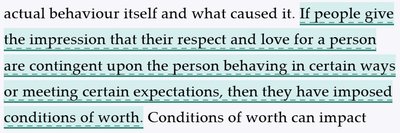
Conditions of Worth: When acceptance is conditional, it can hinder self-acceptance and growth.
Emotion-Focused Therapy (EFT): Helps clients become aware of and transform emotional responses.
Behavioural, Cognitive, and Group Therapies
Behavioural Therapies
Behavioural therapies target specific problematic behaviors and the environmental factors that reinforce them.
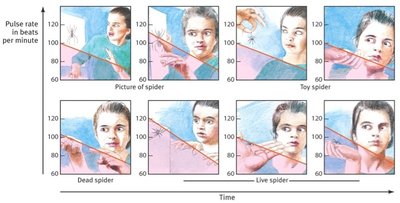
Systematic Desensitization: Gradual exposure to a feared stimulus paired with relaxation techniques to reduce anxiety.
Flooding: Intense, prolonged exposure to the feared object or situation.
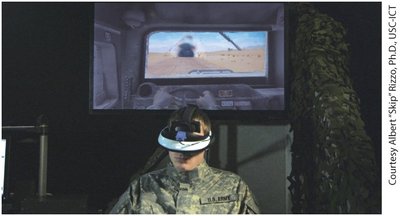
Virtual Reality (VR) Therapy: Uses simulated environments for exposure, especially effective for PTSD.
Aversive Conditioning
Aversive conditioning replaces a positive response to a harmful stimulus with a negative response, often using punishment or unpleasant associations.
Example: Antabuse (disulfiram) is used to treat alcohol dependence by causing sickness when alcohol is consumed.

Cognitive-Behavioural Therapies (CBT)
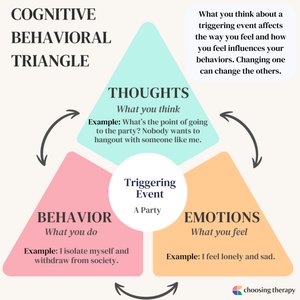
CBT combines cognitive and behavioral techniques to modify dysfunctional thoughts and behaviors.
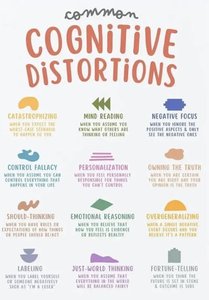
Cognitive Restructuring: Identifying and challenging distorted thinking patterns.
Stress Inoculation Training: Teaching coping skills for managing stress.
Exposure Therapy: Gradual exposure to avoided situations or thoughts.
Mindfulness-Based Cognitive Therapy (MBCT)
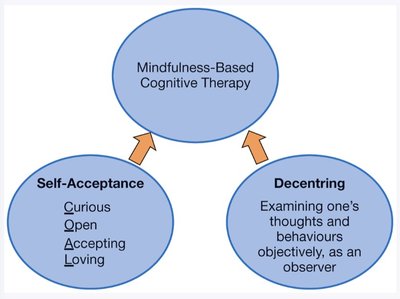
MBCT integrates mindfulness meditation with cognitive therapy to help individuals become more aware of their thoughts and feelings and respond to them non-judgmentally.
Self-Acceptance: Cultivating curiosity, openness, acceptance, and love toward oneself.
Decentring: Observing thoughts and behaviors objectively, as an external observer.
Group and Family Therapies
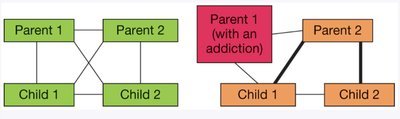
These therapies involve multiple participants and focus on interpersonal relationships and systemic issues within families or groups.
Group Therapy: Provides support and feedback from peers with similar issues.
Family Therapy: Addresses patterns of interaction and communication within the family system.
Biomedical Therapies
Psychopharmacology
Psychopharmacology involves the use of medications to manage psychological disorders by altering brain chemistry.
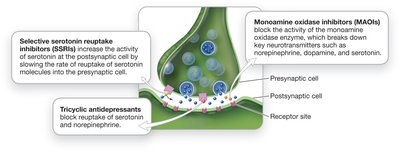
Antidepressants: Target monoamine neurotransmitters (dopamine, serotonin, norepinephrine).
MAOIs (Monoamine Oxidase Inhibitors): Block the breakdown of monoamines, increasing their availability.
Tricyclics: Block reuptake of serotonin and norepinephrine.
SSRIs & SNRIs: Selectively inhibit reuptake of serotonin (SSRIs) or both serotonin and norepinephrine (SNRIs).
Herbal Treatments: Some, like St. John’s wort, may affect neurotransmitter systems.
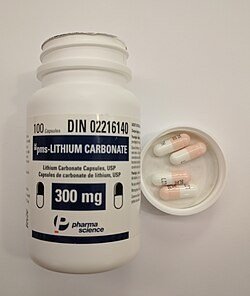
Mood Stabilizers: Used for bipolar disorder; examples include lithium and anticonvulsants.

MDMA-Assisted Psychotherapy
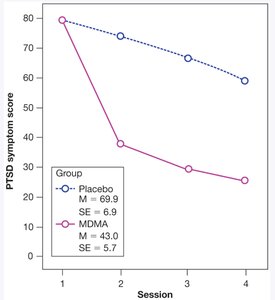
MDMA (Ecstasy) is being researched as an adjunct to psychotherapy, particularly for PTSD. It may enhance the therapeutic process by reducing fear and increasing openness.
Effects: Decreases amygdala and temporal lobe activity (reducing fear), increases norepinephrine and dopamine (improving concentration and re-conditioning).
Research: Studies show greater symptom reduction in PTSD with MDMA-assisted therapy compared to placebo.
Technological and Surgical Methods
Some severe or treatment-resistant psychological disorders may be addressed with advanced medical procedures.
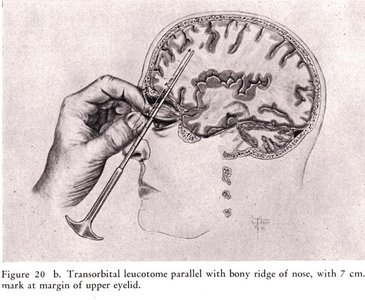
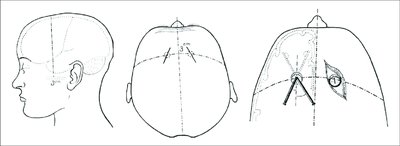
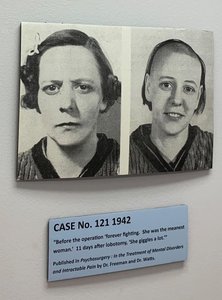
Lobotomy & Leucotomy: Historical procedures involving severing connections in the brain’s prefrontal cortex.
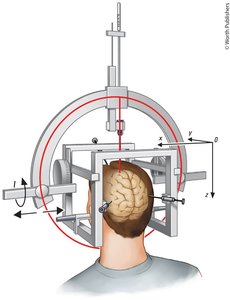
Focal Lesions: Targeted destruction of small brain areas using devices like stereotaxic apparatus or high-intensity focused ultrasound.
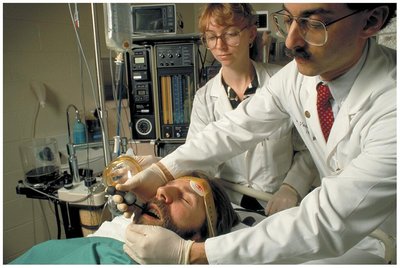
Electroconvulsive Therapy (ECT): Induces controlled seizures to treat severe depression or mania.
Repetitive Transcranial Magnetic Stimulation (rTMS): Uses magnetic fields to stimulate brain regions non-invasively.
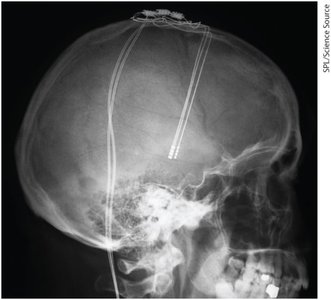
Deep Brain Stimulation (DBS): Surgically implanted electrodes deliver electrical impulses to specific brain areas.
References
VR for PTSD: https://www.youtube.com/watch?v=QCCWH_CNjM0
Glore Psychiatric Museum: https://en.wikipedia.org/wiki/Glore_Psychiatric_Museum
TMS at CAMH: https://www.camh.ca/en/health-info/mental-illness-and-addiction-index/repetitive-transcranial-magnetic-stimulation
