 Back
BackTherapies in Psychology: Historical and Modern Approaches
Study Guide - Smart Notes
 Tailored notes based on your materials, expanded with key definitions, examples, and context.
Therapies in Psychology
Historical Approaches to Mental Health Treatment
The treatment of mental illness has evolved significantly over the centuries, reflecting changes in societal attitudes, scientific understanding, and available resources.
1400s: The first institutions for the mentally ill were established, often characterized by harsh and inhumane conditions.
Late 1800s: Overcrowded asylums became common, with ineffective and sometimes harmful treatments such as cold water submersion and early forms of electroshock therapy.
1960s: The discovery of antipsychotic medications led to deinstitutionalization, shifting care from asylums to community-based settings and residential treatment centers.
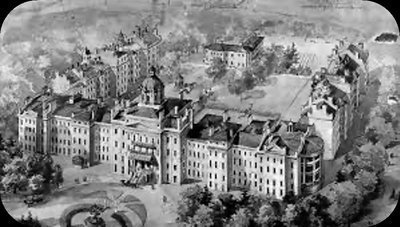
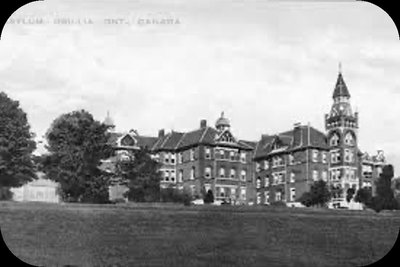
Example: Deinstitutionalization resulted in many individuals with mental illness living in the community, but also contributed to increased rates of homelessness and justice involvement among this population.
Mental Health and Homelessness
Mental health challenges are prevalent among homeless populations, with youth and Indigenous individuals experiencing particularly high rates of mental health and substance use issues.
85% of homeless individuals report at least one health challenge.
Youth (ages 13-24) have the highest prevalence of mental health issues (67%).
Indigenous respondents report higher rates of substance use compared to non-Indigenous peers.
Former youth in care are at increased risk for mental health and substance use problems.
Additional info: Deinstitutionalization, while intended to improve care, has left many without adequate support, leading to increased interactions with the justice system.
The Courts and Mental Health
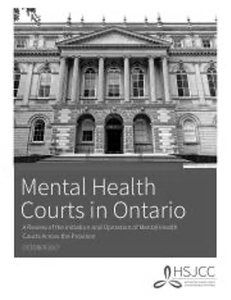
The legal system sometimes mandates mental health treatment for individuals whose behavior poses a risk to themselves or others. Community treatment orders require individuals to comply with specific treatment conditions while living in the community.
Controversial due to concerns about individual rights and resource limitations.
Ontario has considered policies for forced treatment in crisis situations, sparking debate among supporters and critics.
Access to Mental Health Services
Mental health care is provided through a variety of sources, including hospitals, family doctors, psychiatrists, psychologists, therapists, and community organizations. Access and coverage vary by provider and region.
Psychiatric hospitals focus on short-term care, typically for individuals who are an imminent threat to themselves or others.
Family doctors provide initial assessments, prescribe medication, and refer to specialists.
Psychiatrists are medical doctors who can prescribe medication and treat severe disorders.
Psychologists and therapists offer talk therapy and assessments but cannot prescribe medication.
Community mental health services provide therapy, crisis support, and case management, sometimes at low cost.
Types of Therapists
Different mental health professionals have varying qualifications and roles:
Clinical Psychologists: Hold a PhD or PsyD, specialize in assessment and treatment of psychological difficulties.
Counselling Psychologists: Focus on day-to-day adjustment problems.
Psychiatrists: Medical doctors with postgraduate training in abnormal behavior; can prescribe medication.
Psychoanalysts: Specialize in psychoanalysis, often with medical or psychology backgrounds.
Registered Psychotherapists: Provide therapy for a range of issues; qualifications vary.
Licensed Professional Counsellors: Hold a master’s degree and certification; provide therapy to individuals, couples, and families.
Clinical or Psychiatric Social Workers: Hold a master’s degree and provide therapy, often for family and personal problems.
Barriers to Psychological Treatment
Several factors can prevent individuals from seeking or receiving effective mental health care:
Ambiguity of disorders
Stigma about mental illness
Attitudes toward treatment
Gender roles and cultural expectations
Geographical and financial barriers
Cultural Barriers to Therapy
Cultural background influences attitudes toward mental health treatment. In Canada, Asian Canadians and Indigenous people are less likely to seek therapy compared to Canadians of European descent. Therapy is more accepted in individualistic cultures than in collectivist ones.
Men and Mental Health
Men face unique barriers to seeking mental health care, including masculinity norms, difficulty recognizing symptoms, attitudinal barriers, stigma, and poor service fit.
Masculinity Norms: Emotional disclosure is seen as weakness.
Symptom Recognition: Depression may manifest as anger or substance use.
Attitudinal Barriers: Preference for self-reliance and discomfort with vulnerability.
Stigma: Fear of judgment from others.
Service Fit: Services may not be tailored to men's communication styles.
Major Types of Psychological Therapies
Insight Therapies
Insight therapies involve dialogue between client and therapist to increase awareness and understanding of psychological problems and conflicts. Psychodynamic therapies, including psychoanalysis, focus on uncovering unconscious conflicts.
Psychoanalysis: Developed by Freud, aims to release unconscious thoughts and feelings through techniques such as free association and dream analysis.
Resistance: Client's unwillingness to discuss certain topics; therapist interprets and addresses resistance.
Transference: Client transfers feelings about others onto the therapist.


Psychodynamic Therapy Today
Modern psychodynamic therapy is shorter in duration and may focus on early childhood experiences and emotional attachments (object relations therapy). Evidence for effectiveness is mixed, but some support exists for panic disorder, opiate addiction, and borderline personality disorder (BPD).
Person-Centered Therapy
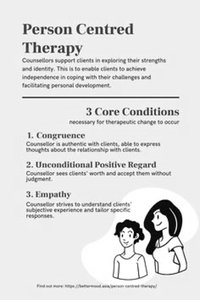
This humanistic approach emphasizes the importance of the therapeutic relationship, self-actualization, and empathy. The therapist provides unconditional positive regard and helps clients realize their potential.
Core Conditions: Congruence, unconditional positive regard, and empathy are necessary for therapeutic change.
Behavioral Approaches
Behavioral therapies apply principles of learning to change undesirable behaviors. Classical and operant conditioning techniques are commonly used.
Aversive Conditioning: Pairs an unpleasant stimulus with an unwanted behavior to reduce its occurrence.
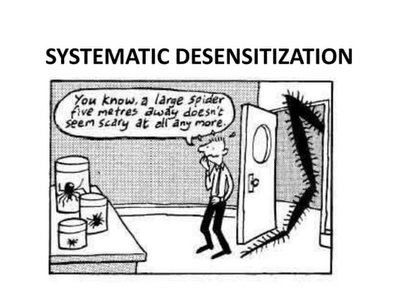
Systematic Desensitization: Gradual exposure to anxiety-provoking stimuli paired with relaxation techniques to extinguish anxiety responses. Used for phobias and anxiety disorders.
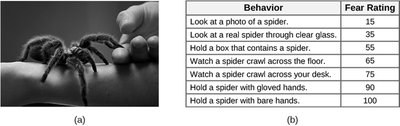
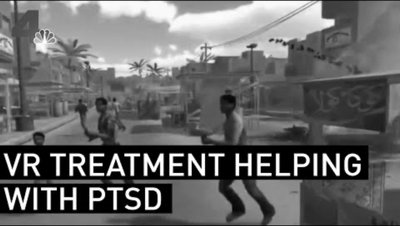
Flooding: Rapid and intense exposure to the feared stimulus until anxiety decreases. Newer forms use virtual reality (VR) technology.
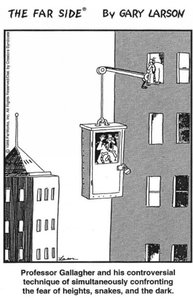
Operant Conditioning Techniques: Use rewards (tokens), contingency contracts, and observational learning (modeling) to reinforce desirable behaviors and extinguish negative ones.
Example: A "Fearless Peer" models appropriate behavior to help children overcome fears.
Cognitive-Behavioral Therapies (CBT)
CBT, developed by Aaron Beck, assumes that negative emotions stem from faulty thinking. It helps clients identify and restructure negative beliefs, face avoided situations, and practice relaxation techniques.
Cognitive Restructuring: Rethinking negative beliefs.
Exposure: Facing avoided situations.
Relaxation: Regaining emotional control.

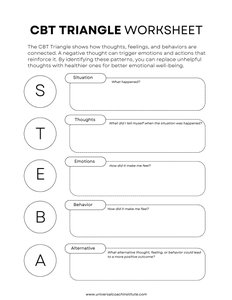
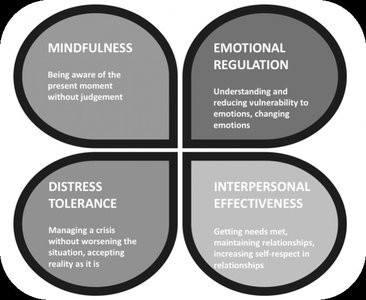
Dialectical Behavioral Therapy (DBT): Focuses on acceptance, distress tolerance, mindfulness, and emotional regulation. Especially effective for some personality disorders.
Interoceptive Exposure Therapy: Used for panic disorder by exposing clients to physical sensations of panic in a controlled way.
Mindfulness-Based Cognitive Therapy: Combines mindfulness meditation with CBT tools, encouraging clients to "decenter" and observe their thoughts objectively.
Group and Family Therapies
Group therapy involves multiple clients meeting with a therapist for support and advice. Family therapy aims to improve family dynamics and roles. Self-help groups (e.g., Alcoholics Anonymous) are also common.
Effectiveness of Therapy
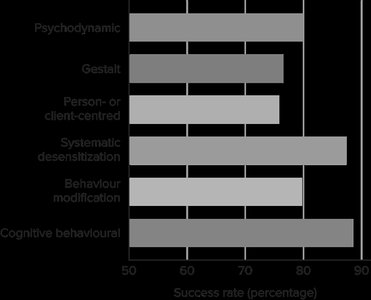
Psychotherapy is generally effective for most people, though not universally so. Different treatments are suited to different problems, and therapists often use an eclectic approach.
Biomedical Therapies
Pharmacological Treatments
Medications are commonly used to manage symptoms of mental disorders, though they may not address underlying causes and can have side effects.
Antipsychotic Drugs: Block dopamine receptors to reduce psychotic symptoms; newer drugs may increase dopamine in specific brain regions.
Antianxiety Drugs: Benzodiazepines (e.g., Xanax, Valium, Ativan) enhance GABA activity but carry risks of dependence and interaction with alcohol.
Antidepressant Drugs: Include tricyclics (increase norepinephrine), MAO inhibitors (prevent breakdown of neurotransmitters), and SSRIs (increase serotonin availability, e.g., Prozac, Zoloft).

Herbal Remedies: St. John’s Wort has shown some effectiveness for depression but is not regulated and may interact with other medications.
New Directions in Psychopharmacology
Ketamine Therapy: Blocks NMDA receptors, affecting glutamate; promising for treatment-resistant depression but has side effects and addiction concerns.
Other Biomedical Interventions
Transcranial Magnetic Stimulation (TMS): Uses magnetic pulses to stimulate specific brain areas; effective for depression but may cause seizures.
Electroconvulsive Therapy (ECT): Involves brief electrical stimulation of the brain under sedation; used for severe depression but controversial due to side effects like memory loss.
Psychosurgery: Rarely used today; historically included lobotomies and lesions in brain areas related to emotion. Now a last resort for severe, treatment-resistant cases.
Evaluating Biomedical Therapies
Biomedical therapies have revolutionized mental health care, allowing more outpatient treatment. However, they often provide only temporary symptom relief and may not address underlying issues. Side effects can be significant, especially with antipsychotic medications.
Controversial and Alternative Therapies
Eye Movement Desensitization and Reprocessing (EMDR): Involves recalling traumatic events while performing guided eye movements. Evidence for effectiveness is limited and the mechanism is unclear.
Critical Perspectives
Studies such as Rosenhan’s "On Being Sane in Insane Places" highlight the challenges and limitations of psychiatric diagnosis and institutional care, emphasizing the importance of humane and evidence-based treatment approaches.
