 Back
BackTherapies in Psychology: Historical and Modern Approaches
Study Guide - Smart Notes
 Tailored notes based on your materials, expanded with key definitions, examples, and context.
Therapies in Psychology
Historical Approaches to Mental Health Treatment
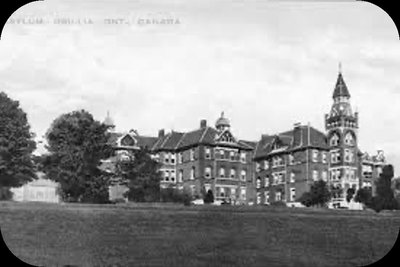
The treatment of mental illness has evolved significantly over the centuries, moving from inhumane institutionalization to more effective and ethical interventions. Early asylums were often overcrowded and used harsh treatments, while the discovery of medications in the 20th century led to deinstitutionalization and community-based care.
1400s: First institutions for the mentally ill were established, often with brutal conditions.
Late 1800s: Overcrowded asylums and ineffective treatments such as cold water submersion and electroshock therapy.
1960s: Introduction of antipsychotic medications, deinstitutionalization, and the rise of residential treatment centers.

Mental Health and Homelessness
Deinstitutionalization has contributed to increased rates of homelessness among individuals with mental illness. Vulnerable populations, such as youth and Indigenous peoples, are disproportionately affected.
High prevalence of mental health and substance use issues among homeless individuals.
Former youth in care and Indigenous respondents report higher rates of mental health challenges.
The Courts and Mental Health
The legal system sometimes mandates treatment for individuals with severe mental illness, especially when public safety is a concern. Community treatment orders require individuals to comply with treatment conditions while living in the community.

Contemporary Issues: Forced Treatment
There is ongoing debate about the ethics and effectiveness of forced treatment for addiction and mental illness, balancing individual rights with public safety and resource limitations.

Students and Mental Health
Mental health issues are increasingly prevalent among university students, with counseling centers often facing high demand and long waiting lists.

Mental Health Treatment Today
Modern mental health care includes short-term hospitalization for acute crises, with a focus on community-based services and legal protections for involuntary admission.
Psychiatric hospitals and community hospitals provide short-term care.
Involuntary admission requires evidence of risk and legal review.

Sources of Psychological Treatment
Mental health care is provided by a range of professionals, each with specific roles and qualifications.
Family doctors: Initial assessment, medication, referrals.
Psychiatrists: Medical doctors who can prescribe medication.
Psychologists and therapists: Provide talk therapy and assessments.
Community services: Offer low-cost support, crisis intervention, and case management.
Types of Therapists
Understanding the qualifications and roles of different mental health professionals is essential for seeking appropriate care.
Type | Qualifications | Role |
|---|---|---|
Clinical Psychologist | PhD/PsyD/Master's | Assessment, therapy |
Counselling Psychologist | PhD/EdD/Master's | Adjustment problems |
Psychiatrist | MD | Medication, severe disorders |
Psychoanalyst | MD/Psychologist | Psychoanalysis |
Registered Psychotherapist | Diploma/Graduate degree | Talk therapy |
Social Worker | Master's | Therapy, family/personal issues |
Barriers to Psychological Treatment
Many factors can prevent individuals from accessing mental health care, including stigma, cultural attitudes, financial constraints, and geographical barriers.

Men and Mental Health
Men face unique barriers to seeking mental health treatment, including societal norms around masculinity, symptom recognition, attitudinal barriers, stigma, and service fit.
Masculinity norms discourage emotional disclosure.
Symptoms may manifest as anger or substance use rather than typical depression.
Stigma and lack of tailored services further reduce help-seeking.



Insight Therapies
Insight therapies involve dialogue between client and therapist to increase awareness and understanding of psychological problems. Psychodynamic therapies focus on uncovering unconscious conflicts.

Psychoanalysis
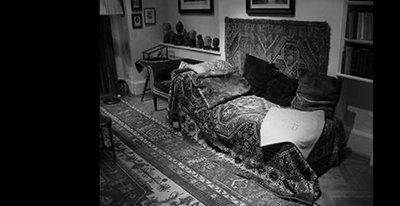
Developed by Freud, psychoanalysis aims to release unconscious thoughts and feelings through techniques such as free association and dream analysis. Resistance and transference are key concepts in this approach.

Psychodynamic Therapy
Modern psychodynamic therapy is shorter in duration and may focus on early childhood experiences and emotional attachments. Its effectiveness is partially supported by research, especially for certain disorders.
Person-Centered Therapy
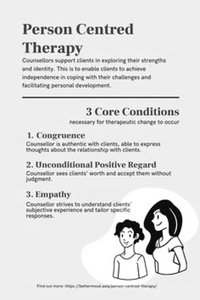
This humanistic approach emphasizes the therapeutic relationship, self-actualization, and empathy. A strong alliance between therapist and client is a predictor of successful outcomes.

Behavioral Approaches
Behavioral therapies apply principles of learning to change undesirable behaviors. Classical conditioning techniques include aversive conditioning, systematic desensitization, and flooding.
Aversive conditioning: Pairs unwanted behavior with unpleasant stimulus.
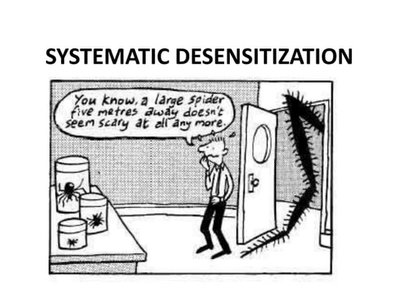
Systematic desensitization: Gradual exposure to feared stimulus while practicing relaxation.
Flooding: Rapid and intense exposure to feared stimulus.


Operant Conditioning Techniques
Operant conditioning in therapy involves reinforcing desirable behaviors and extinguishing negative ones. Techniques include token economies, contingency contracting, and observational learning.

Cognitive-Behavioral Therapies (CBT)
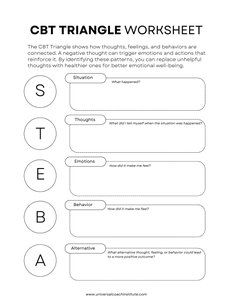
CBT, developed by Aaron Beck, addresses negative emotions by restructuring faulty thinking patterns. It combines cognitive and behavioral techniques, such as cognitive restructuring, exposure, and relaxation.

Dialectical Behavioral Therapy (DBT)
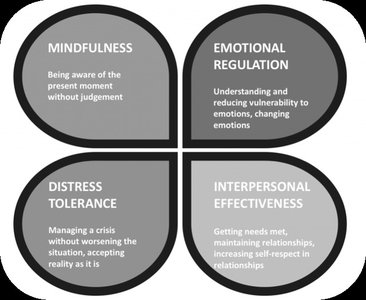
DBT focuses on acceptance and change, teaching skills for emotional regulation, distress tolerance, mindfulness, and interpersonal effectiveness. It is especially effective for some personality disorders.
Interoceptive Exposure Therapy
This therapy is used for panic disorder, helping clients become accustomed to physical sensations associated with panic attacks, reducing their fear response.

Mindfulness-Based Cognitive Therapy (MBCT)
MBCT integrates mindfulness meditation with CBT techniques, encouraging clients to observe their thoughts and feelings objectively (decentering).
Evaluating Cognitive-Behavioral Therapies
CBT is effective for a range of disorders, including anxiety, depression, and substance abuse. However, it may not address all aspects of irrational thinking or life circumstances.
Group and Family Therapies
Group therapy provides support and advice in a group setting, while family therapy focuses on improving family dynamics. Self-help groups like Alcoholics Anonymous are also common.

Effectiveness of Therapy
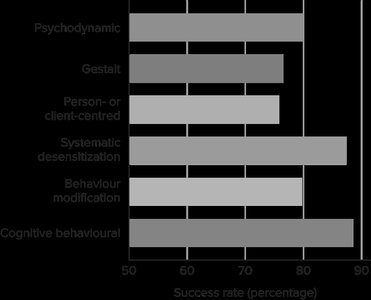
Most people benefit from psychotherapy, though effectiveness varies by treatment type and individual. Therapists often use an eclectic approach, combining methods as needed.
Biomedical Therapies
Biomedical therapies involve altering brain chemistry through medication or physical interventions. These include antipsychotic, antianxiety, and antidepressant drugs, as well as newer treatments like ketamine, TMS, and ECT.
Antipsychotics: Block dopamine receptors, used for psychotic symptoms.
Antianxiety drugs: Benzodiazepines increase GABA activity but have risks of dependence.
Antidepressants: Affect neurotransmitters like serotonin and norepinephrine.
Ketamine: Promising for treatment-resistant depression, but with side effects.
TMS: Uses magnetic pulses to stimulate brain regions.
ECT: Electric current induces seizures to treat severe depression; controversial due to side effects.
Psychosurgery: Rarely used, reserved for severe cases.

Alternative and Controversial Therapies
Some alternative treatments, such as herbal remedies (e.g., St. John’s Wort), have shown effectiveness for mild depression but lack regulation. Eye Movement Desensitization and Reprocessing (EMDR) is controversial due to limited evidence.
Classic Study: On Being Sane in Insane Places (Rosenhan, 1970s)
This landmark study demonstrated the challenges of psychiatric diagnosis and the depersonalization experienced by patients in mental hospitals. Pseudopatients feigned symptoms to gain admission and were subsequently treated as mentally ill despite normal behavior.
