 Back
BackEthnicity, Whiteness, and Religion: Sociological Perspectives on European American Groups
Study Guide - Smart Notes
 Tailored notes based on your materials, expanded with key definitions, examples, and context.
Ethnicity, Whiteness, and Religion
Unpacking Ethnicity
Ethnicity refers to shared cultural practices, perspectives, and distinctions that set apart one group of people from another. In the United States, the concept of Whiteness has been central to understanding ethnicity, privilege, and social dynamics.
White Privilege: The unearned advantages and rights granted to White people, often invisible to those who benefit from them.
Microaggressions: Everyday verbal, nonverbal, and environmental slights or insults, intentional or unintentional, that communicate hostile or negative messages to marginalized groups.
Third-Generation Interest: The tendency for the grandchildren of immigrants to show renewed interest in their ethnic heritage.
Ethnic Paradox: The phenomenon where maintaining ethnic ties can be associated with higher socioeconomic achievement.
Symbolic Ethnicity: A nostalgic allegiance to the culture of the immigrant generation, or that of the old country, that is not usually incorporated into everyday behavior.
Additional info: Symbolic ethnicity is often expressed through food, festivals, and rituals rather than active participation in ethnic organizations.
German Americans
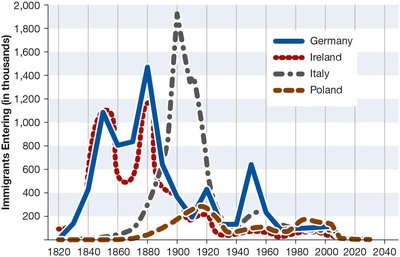
German Americans represent the largest single source of ancestry in the United States, yet their cultural presence is less visible today than in the past.
Settlement Patterns: Early German immigrants influenced American society, including bilingual publications and schools.
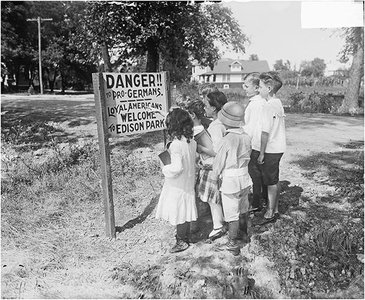
Twentieth Century Changes: Anti-German sentiment during World War I led to the repression of German culture and language.
Contemporary Trends: Recent German immigration is low, and cultural assimilation is high, with little explicit German cultural presence.
Irish Americans
Irish Americans have a long history in the United States, marked by several waves of immigration and significant cultural contributions.
Immigration Waves: Major periods include colonial immigration and the influx during the Great Famine (1845–1852).
Social Mobility: Irish Americans quickly formed social organizations and became influential in the Roman Catholic Church.
Contemporary Identity: Today, Irish identity is often expressed symbolically through celebrations like St. Patrick’s Day, with little new immigration.

Italian Americans
Italian immigration to the United States peaked in the late nineteenth and early twentieth centuries, shaping both urban and cultural landscapes.
Early Immigration: Italians faced visible antagonism and cultural clashes, especially within the Catholic Church.
Social Mobility: Many Italians advanced through low-skilled occupations; a minority engaged in organized crime, which influenced stereotypes.
Identity Construction: Italian Americans founded their own organizations and gradually assimilated into White American society.
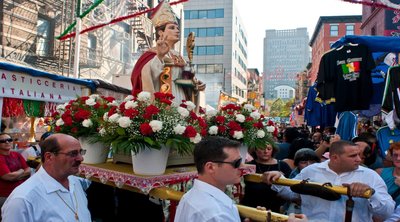
Contemporary Picture: Italian Americans are now firmly part of middle America, with symbolic ethnicity persisting mainly in festivals and food.
Polish Americans
Polish Americans contributed to early American industry and experienced significant immigration in the late nineteenth century.
Early Immigration: Polish settlers arrived as early as 1608, but significant numbers came in the 1890s, often settling in the Midwest and working in coal mines.
Polonia: Polish communities outside Poland, often supported by boarding houses and remittances sent home.
Assimilation and Stereotypes: Polish Americans faced stigmatization and anti-Semitism, with little retention of cultural traditions today.
Relational Assimilation: The presence of Polish immigrants has influenced the lives of the US-born population.

Religious Pluralism
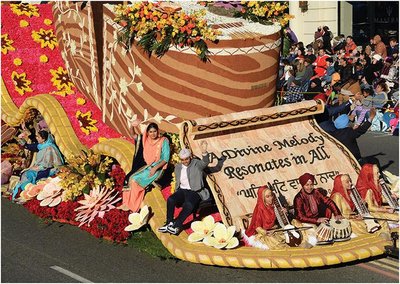
Religious pluralism refers to the coexistence of multiple religious groups in society. The United States is notable for its religious diversity and tolerance.
Religion: A unified system of sacred beliefs and practices that inspire awe and respect.
Pluralism: The US has shifted from a predominantly Christian nation (96% in 1900) to a more diverse society (68% Christian, 27% unaffiliated in 2020).
Denomination: A large, organized religion not officially linked to the state.
Civil Religion: The merging of public life with sacred beliefs, often seen in national rituals and symbols.
Religion and the Courts
The US legal system has addressed numerous issues related to religion, balancing religious freedom with other societal interests.
Company Exemptions: Legal cases regarding whether businesses can be exempt from certain laws on religious grounds.
School Prayer: Court rulings have shaped the role of prayer and religious activities in public schools.
Secessionist Minorities: Legal recognition of religious minorities who seek to separate from mainstream practices.
Creationism and Intelligent Design: Debates over teaching religiously-based theories in public school science classes.
Public Displays: Court cases about religious symbols and displays on public property.
