 Back
BackHispanic Americans: Immigration, Culture, and Socioeconomic Integration in the United States
Study Guide - Smart Notes
 Tailored notes based on your materials, expanded with key definitions, examples, and context.
Hispanic Americans: Demographics and Early History
Population Growth and Distribution
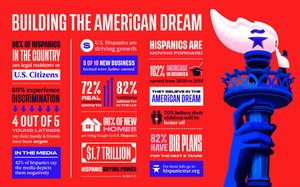
Hispanic Americans are the fastest growing immigrant group in the United States, comprising about 18.5% of the population as of 2019. Their presence is especially significant in states bordering Mexico, such as California, Texas, Arizona, and New Mexico.
Majority Populations: Hispanics are now numerical majorities in several states, including Texas and California.
Concentration: California and Texas alone account for 45% of the nation's Hispanic population.
Early Hispanic Influence
Hispanic presence in the U.S. predates European colonization, with early Spanish explorers, missionaries, and settlers shaping American culture.
Cultural Impact: Spanish influence is evident in food, music, fashion, customs, values, language, architecture, and town planning.



Socio-Historical Perspective
Citizenship Through War
The earliest Hispanic natives became U.S. citizens as a result of the Mexican-American War (1848) and the Spanish-American War.
Treaty of Guadalupe Hidalgo: Incorporated California, Texas, New Mexico, and Arizona into the U.S.
Puerto Rico: Became a U.S. territory after the Spanish-American War; its people later gained citizenship.
Structural Conditions
Post-war, many Hispanic natives were viewed as a conquered people and relegated to menial labor, limiting their socioeconomic advancement.
Persistent Inequality: Despite citizenship, many Hispanics did not achieve the American dream.
Immigration: Push and Pull Factors
Push Factors
Overpopulation
Poor economic, political, and social conditions
High birth rates and limited resources
Large amounts of non-inhabitable land
Pull Factors
Better opportunities
Greater freedom
Improved social, political, and economic conditions
Better educational opportunities
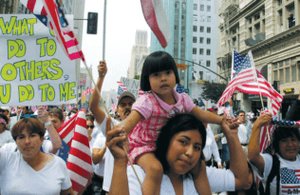
Cultural Traditions and Values
La Raza Cosmica
This concept refers to the belief in a unique destiny for Hispanic peoples, serving as a bonding mechanism and potential source of influence as their population grows. 
Machismo and Marianismo
Machismo: Men are expected to be rugged, independent, and responsible for their families.
Marianismo: Women are nurturers, caring for home and children, and accept male dominance.
These traditional values tend to diminish with longer U.S. residency and higher education.
Dignidad
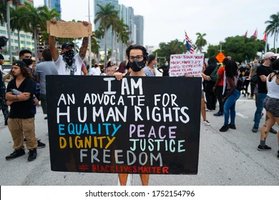
All persons have the right to be treated with dignity and respect.
In Hispanic culture, dignidad is granted, not demanded.
Other Customs
Relaxed approach to time; punctuality is less emphasized.
Skin color is not a major concern; resentment may arise when it is among other Americans.
Direct eye contact with authority figures may be avoided as a sign of respect.
Closer personal space is common, which may seem intrusive to other groups.
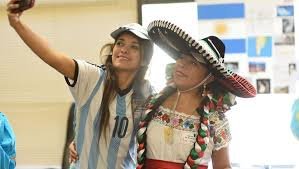
Nativist Fears and Responses
Concerns About Immigration
Fears of lower educational standards and crowded classrooms
Concerns about job competition and increased social programs
Perceived threat to the "American" way of life
Social Indicators for Hispanic Americans
Education
Mexican Americans fare least well; Cuban-Americans fare best.
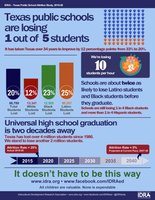
High dropout rates lead to less employment opportunity and greater poverty.
Only 9% of Hispanic Americans have a college education compared to 31% of White Americans.
Income
15.7% of Hispanics live in poverty.
Second and subsequent generations tend to do better economically.
Puerto Ricans and Mexicans have the highest poverty rates; Cubans and South Americans fare better.
Occupation
Many Hispanics work in low-paying service industries.
Job security and living wages are often lacking, especially for first-generation immigrants.
Mexican Americans
Challenges
Higher poverty, lower education, fewer job opportunities, lack of English proficiency, and substandard living conditions.
Despair, discrimination, and lack of opportunity are common.
Success Factors
Separate nuclear family residences
English language proficiency
Fewer children
Less patriarchal households
More interracial marriages
Higher education and secure employment
Longer U.S. residency

Recruitment, Expulsion, and Violence
Mixed Messages
Mexicans were welcomed for labor when needed, but sent home during economic downturns.
Native Hispanics and Americans often resented their presence during hard times.
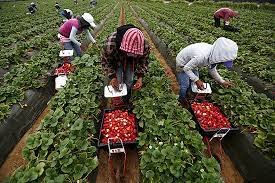
Bracero Program (1942-1964)
Mexican citizens allowed temporary visas for agricultural work.
Returned to Mexico after harvest; not allowed to stay permanently.

Stereotyping and Discrimination
Common Stereotypes
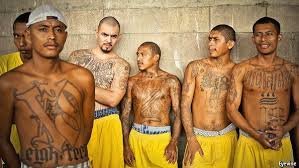
Illegal immigrant
Gang member
Drug dealer
Chicano Power Movement
Origins and Impact
"Chicano" was once a negative term, now a symbol of pride.
Movement focuses on rights for Mexican Americans in immigration, education, and economic issues.
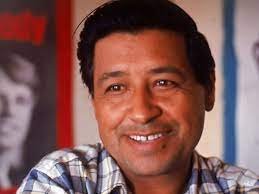
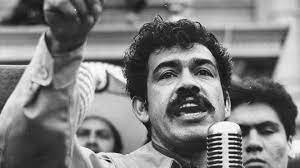
Leaders include Cesar Chavez, Rodolfo Gonzales, and Reies Lopes Tijernia.
Puerto Rican Americans
History and Citizenship
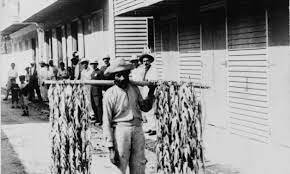
Puerto Rico became subject to American rule in 1888.
Gained autonomy in the 1940s, restored Spanish culture and language.
Operation Bootstrap (1945) improved economic conditions until the 1980s.

Migration Patterns
Pull: Better job opportunities on the mainland.
Push: Desire to be with family, high crime, retirement in homeland, discrimination.


Family and Religion
Family is central to identity; approval is important.
Roman Catholicism is predominant; Pentecostalism is more common in Puerto Rico.
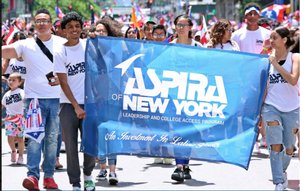
Church and community organizations (e.g., Bodega, Aspira) provide support.
Socioeconomics
Higher poverty rates than some other Hispanic groups.
Education is a key dividing line for economic security.
Single, female-headed households are more likely to experience poverty.
Cuban Americans
Immigration Waves
First wave (1960s): Highly educated, successful, welcomed.
Later waves: Less educated, included prisoners and mentally ill, faced greater challenges.
Generational Responses
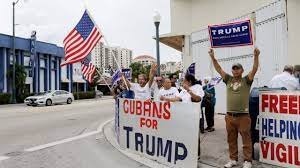
First generation: Strong anti-Castro, ties to Cuba.
Second generation: More assimilated, fewer ties to Cuba.
Black Cubans: Enjoy American life but feel marginalized.
Profile and Values
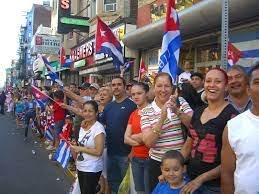
Third largest Hispanic group; most live in Florida and New Jersey.
Higher education, lower fertility, higher economic status.
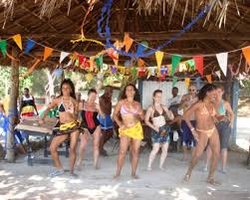
Collective orientation, value family, humor, and community.
Traits
Offensive: Tacano (cheapskate), Pesdao (unlikable).
Desirable: Choteo/relajo (humor, jokes), close family relationships.


Caribbean, Central, and South Americans
Immigration Motivations
Escape overpopulation, farmland shortages, economic and political turmoil.
Many are poorly educated and seek a better life in America.
Dominican Republicans
Arrive impoverished and deprived; first generation suffers poverty.
Second generation shows improved quality of life but still trails national averages.
Salvadoran Americans
Immigrated to escape poverty and political unrest.
Initially unwelcome, later granted amnesty and permanent residency.
Today, enjoy improved quality of life.
Nicaraguan Americans
Arrived as refugees or asylees, escaping war and revolution.
Later arrivals were poorer and less educated.
Refugee vs. Asylee
Refugee: Outside the U.S., unable to return due to persecution.
Asylee: Already in the U.S. or at a port of entry, seeking protection for similar reasons.
Assimilation and Education
Keys to Successful Assimilation
Family support and education are crucial.
High school dropout rates among immigrant students may reach 50%.
Mastering English is essential for educational advancement.
Dropout rates are lower among Cubans, Puerto Ricans, and Dominicans.
Family and Assimilation
Intermarriage and second-generation birth increase assimilation.
Future trends suggest greater longevity, social interaction, and cultural appreciation.
Sociological Theories Applied to Hispanic Cultures
Structural Functionalism
Hispanic immigrants fill vital jobs, freeing up more educated workers for professional roles.
Potential dysfunction: Excess immigration may lead to insufficient jobs, requiring return migration or expanded educational opportunities.
Conflict Theory
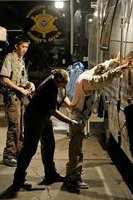
Hispanics are exploited in mainstream America, performing low-paying work and facing discrimination.
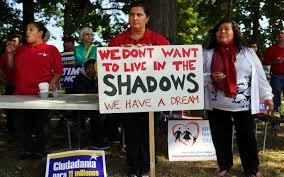
Advocates for collective action to claim full citizenship and rights.
Symbolic Interactionism
Hispanic growth and assimilation represent competition and uncertainty for mainline Americans, leading to nativist responses.
For Hispanics, assimilation involves challenges such as learning English and adapting to new cultural norms.
Summary
Hispanic populations are diverse, bringing varied backgrounds, customs, and aspirations to the U.S. Their continued growth presents both opportunities and challenges for American society, particularly in education, job availability, and inclusion.
