 Back
BackHousing as a Social Determinant of Health in Canada: Sociological Perspectives
Study Guide - Smart Notes
 Tailored notes based on your materials, expanded with key definitions, examples, and context.
Housing and Social Determinants of Health
Introduction to Housing as a Social Determinant
Housing is a fundamental social determinant of health, influencing physical, mental, and social well-being. In Canada, access to safe, affordable, and adequate housing is increasingly recognized as a critical issue affecting population health and social equity. 



Core Housing Need
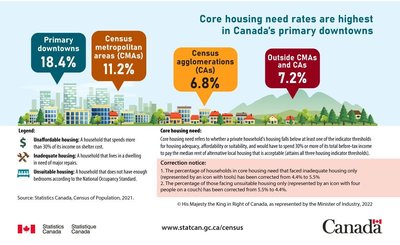
Core housing need is a key concept in Canadian housing policy and sociology. It refers to households that lack affordable, suitable, or adequate housing. - Affordability: Spending more than 30% of income on shelter. - Suitability: Housing is inappropriate for household size (e.g., overcrowding). - Adequacy: Housing requires major repairs (e.g., plumbing, structural issues). 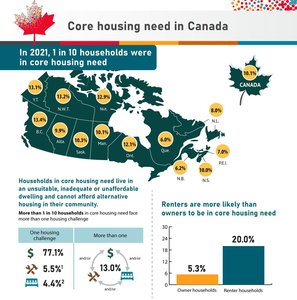
Social Impacts of Housing Crisis
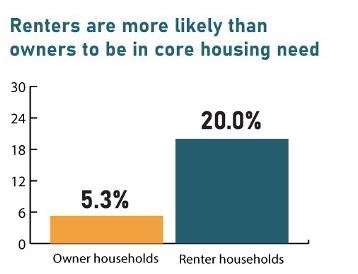
The housing crisis in Canada has profound social impacts, including increased financial strain, inequality, and homelessness. Vulnerable populations such as renters, women, Indigenous peoples, and racialized communities are disproportionately affected. - Homelessness: Estimated 150,000 to 300,000 Canadians experience homelessness annually. - Financial Strain: Over one-third of Canadians report difficulty affording housing, food, and necessities. - Inequality: Structural causes include government policy shifts, market deregulation, and the commodification of housing. 


Government Policy and Market Forces
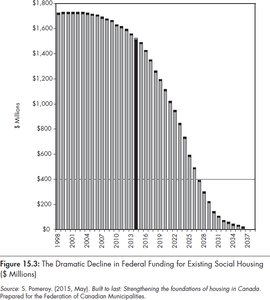
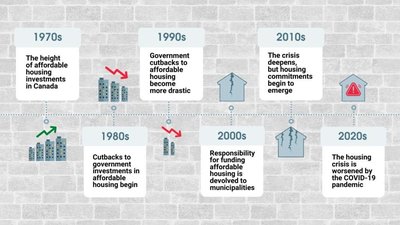
Over the past decades, Canadian housing policy has shifted from welfare state support to market-driven approaches. - Commercialization of CMHC: Shift from promoting diverse housing development to profit-driven mortgage insurance. - Privatization: Canada has one of the most privatized housing sectors among OECD countries. - Financialization: Housing is increasingly treated as a financial asset, leading to tenant displacement and loss of affordable units. 
Globalization and Housing
Globalization has enabled capital mobility and accumulation, influencing housing markets through investment, real estate bubbles, and affordability challenges. - REITs: Real Estate Investment Trusts acquire moderate-rent buildings, raising rents and maximizing profits. - Impact: Dispossession of tenants, rising housing prices, and decline in homeownership.
Current Rental Housing Crisis
The rental housing crisis is characterized by low vacancy rates, rising rents, and poor maintenance of aging housing stock. - Vacancy Rate: National vacancy rate dropped to 0.9% in 2023, the lowest since 1988. - Rent Increases: Rent increased by 17.6% from $910 in 2016 to $1,070 in 2021. - Hidden Homelessness: Multiple families sharing single-family homes due to lack of affordable options. 

Health Implications of Housing
Poor housing conditions and homelessness are linked to adverse health outcomes. - Physical Health: Exposure to toxins, poor heating, and inadequate repairs increase risk of disease. - Mental Health: Chronic stress, anxiety, and social isolation are common among those in housing insecurity. - Compounded Disadvantage: Unhealthy individuals are more likely to live in poor housing, further worsening health.
Key Health Risks
- Lead, asbestos, radon, dust mites, cockroaches, extreme temperatures. - Environmental tobacco smoke, dampness, mould, overcrowding, poor ventilation.
Socioeconomic Dimensions of Housing
Housing affects health through material, meaningful, and spatial dimensions. - Material: Physical condition and cost of housing. - Meaningful: Sense of belonging, control, and identity. - Spatial: Location, proximity to services, exposure to environmental hazards.
Solutions to the Housing Crisis
Sociological and policy solutions focus on increasing affordable housing supply, strengthening rent control, and improving collaboration across government levels.
Build more non-market/public housing
Restore federal investment in co-op housing
Expand rent regulation and close loopholes
Limit influence of REITs and financialized landlords
Flexible capital grant programs and income supplements
Land value tax to curb speculation
International models (e.g., Berlin rent freeze)
Federal, provincial, and municipal coordination



Housing Continuum and Safety Net
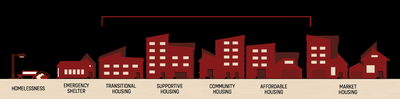
The housing continuum illustrates the range of housing options from homelessness to market housing, emphasizing the importance of supportive and subsidized housing for vulnerable populations. 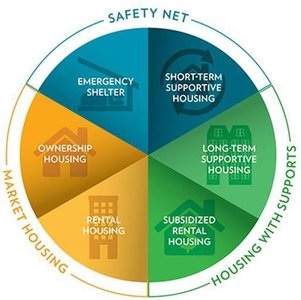
Short-Term Rentals and Housing Market
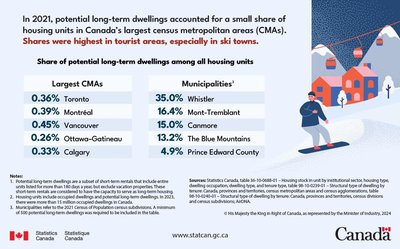
Short-term rentals impact the availability of long-term housing units, especially in tourist areas. 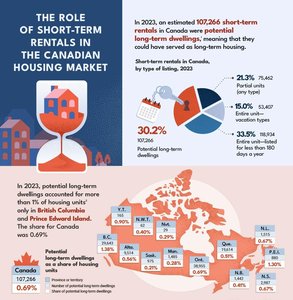
Summary Table: Core Housing Need Factors
Factor | Definition | Health Impact |
|---|---|---|
Affordability | Spending >30% of income on shelter | Financial strain, food insecurity |
Suitability | Inappropriate for household size | Overcrowding, stress |
Adequacy | Requires major repairs | Physical health risks |
Conclusion
Housing is a central social determinant of health, deeply intertwined with issues of inequality, policy, and market forces. Addressing the housing crisis requires sociological insight, policy innovation, and coordinated action to ensure equitable access to safe and affordable housing for all Canadians.
